



Approval needs a destination
Approving a colour sample answers an important development question, but the purchasing team still needs a clear instruction for the bulk order. Link the approved reference to the selected fabric article, requested finish, quantity by colour and specification revision. If any of those inputs are provisional, identify them before the order moves forward. An approval email that contains only a colour nickname is difficult to reconcile with a later production or inspection record.
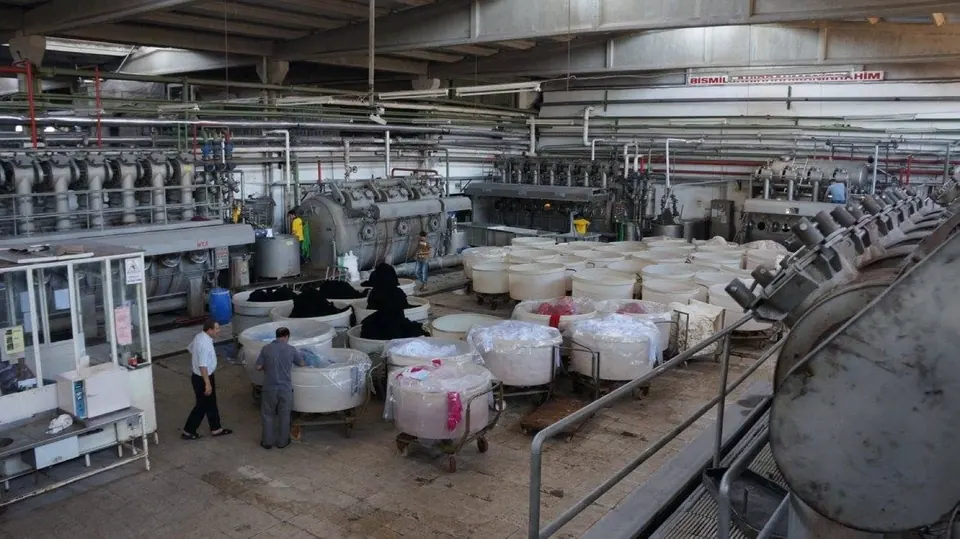
The dyeing archive video gives process context for this handover. It cannot show whether a particular lot meets your acceptance criteria. Ask for the documents and samples appropriate to your order instead of treating a production scene as evidence of compliance.
Connect the colour record to the order record
Use a single order summary that the buyer and supplier can both recognise. Give each colour its reference identifier, approved sample status and requested quantity. Keep changes in a revision log rather than silently replacing an attachment. If a colour is cancelled or its quantity changes, state the consequence you want the supplier to review. Production feasibility, timing and commercial effects need a written response; they should not be assumed from an updated spreadsheet alone.
For technical context, CottonWorks explains the lab-dip process as part of colour development. That background does not prescribe your bulk-release procedure. Agree the order-specific sequence with the mill: which submissions are required, who evaluates them and which decision allows the next stage. Separate the person collecting samples from the person authorised to approve them.
Plan how the garment team will receive the fabric
A clothing collection can contain several components that must work together visually. A sweatshirt body, rib trim and printed decoration may have separate development histories. Create a component list and identify the samples needed for a coordinated review. If a component is sourced elsewhere, make the responsibility visible. AL KUMAŞ’s fabric supply role does not automatically include the sourcing or approval of all garment components.
Discuss how lots and rolls should be identified at delivery and what information your cutting team needs before planning production. If your programme requires shade grouping or a specific roll-allocation procedure, define that requirement with the parties who will carry it out. Do not invent a universal rule from a colour name or assume that all rolls should be mixed freely. The garment team should know where to find the relevant release decision.
Resolve exceptions before they become cutting decisions
Agree an escalation route for an unexpected submission or delivery observation. The first response should preserve the identity of the material and describe the issue precisely. Record the affected order, lot or roll identifiers, the reference used and the observation. Ask who can review the material and what evidence is needed. Avoid cutting questionable material simply because the original sample had been approved; the current issue may require its own decision.
A practical exception record includes an owner, next action and status. Keep a requested concession separate from an acceptance. If a team agrees to a limited use, write down the scope and communicate it to cutting, quality and purchasing. This is a recommended communication discipline, not a statement about any supplier’s contractual liability.
The goal is a handover that another person can follow without reconstructing a long message chain. Keep the colour target, approved reference, order revision, required checks and release authority together. This gives a knitted dyed fabric programme a clear route into garment manufacturing while leaving measured performance, production timing and commercial terms subject to the actual agreement.
Sources and scope
Guidance is for development planning. Confirm current article specifications, tests, availability and commercial terms with the mill. Archive footage is not evidence of a particular order, capacity or certification.