

- Home
- Applications
Knitted dyed fabrics · garment applications
A collection starts
with a fabric decision.
Explore seven development routes for clothing brands, garment manufacturers and fabric buyers. Choose the garment question, read the actual material record and prepare a better enquiry.
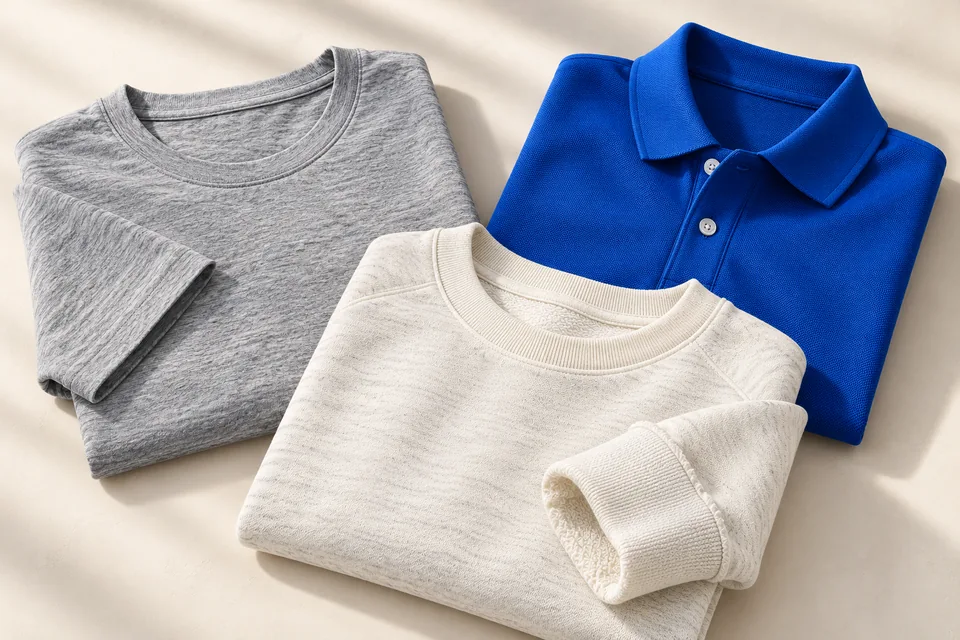
01 / Development route
T-shirts & tops
A core tee, fitted shape or decorated statement needs its own material brief. Compare actual jersey records, then coordinate the neckline, artwork and sample.

T-shirts & tops
Build a T-shirt range around fabric decisions, not weight alone
Separate core, fitted and streetwear material briefs; compare actual catalogue records and the source planning targets.
Read the guide ↗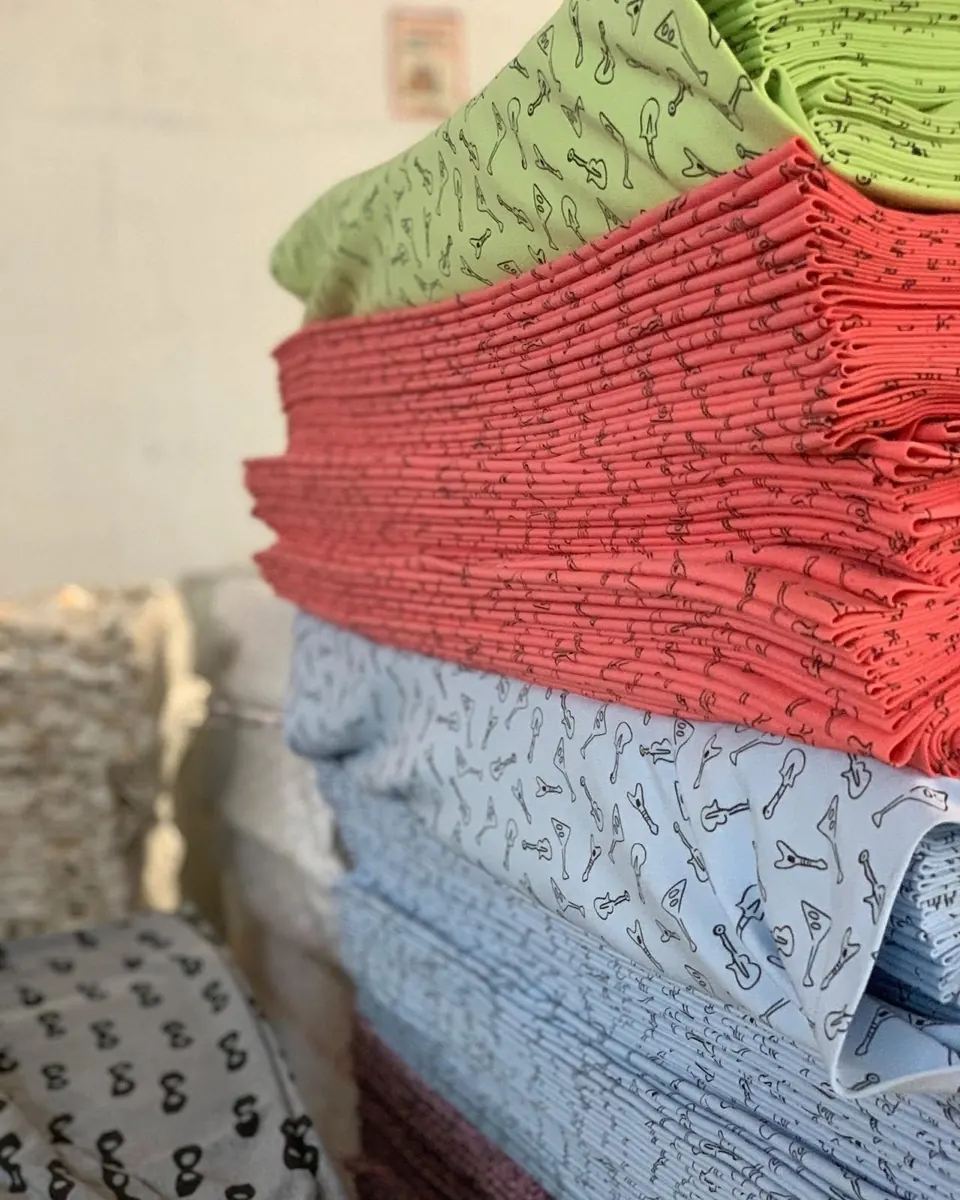
T-shirts & tops
Give a graphic T-shirt a fabric-and-artwork approval plan
Connect the substrate, artwork revision, placement and decorated trial rather than approving a mockup alone.
Read the guide ↗
T-shirts & tops
Develop long-sleeve jersey tops as their own sampling programme
Keep lighter and heavyweight targets separate, then review sleeves, cuffs, layering and the accepted garment record.
Read the guide ↗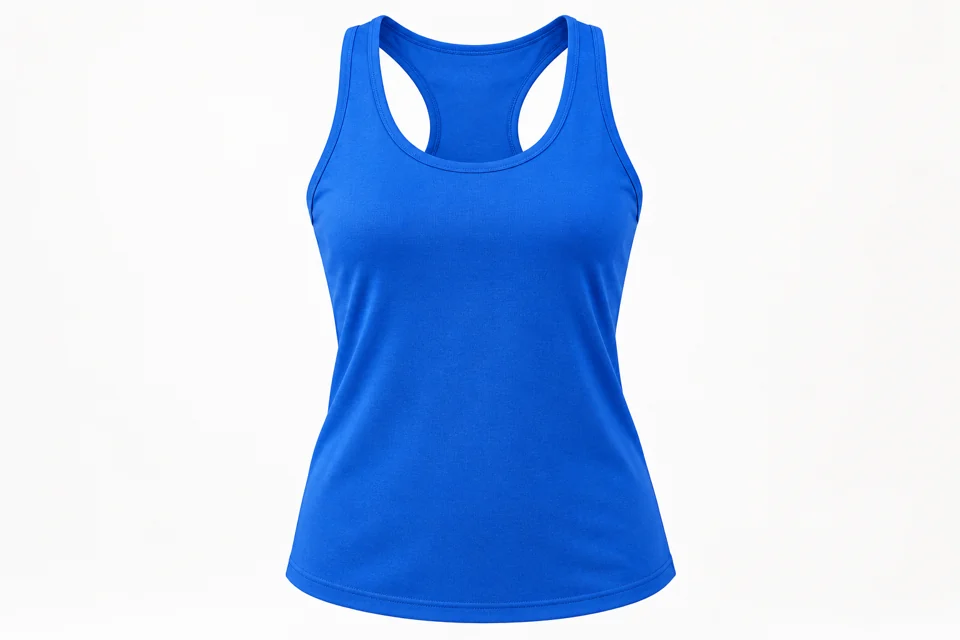
T-shirts & tops
Build a tank-top brief around openings, binding and fabric identity
Separate the source cotton, racerback and poly-viscose targets; connect body fabric with the complete opening construction.
Read the guide ↗02 / Development route
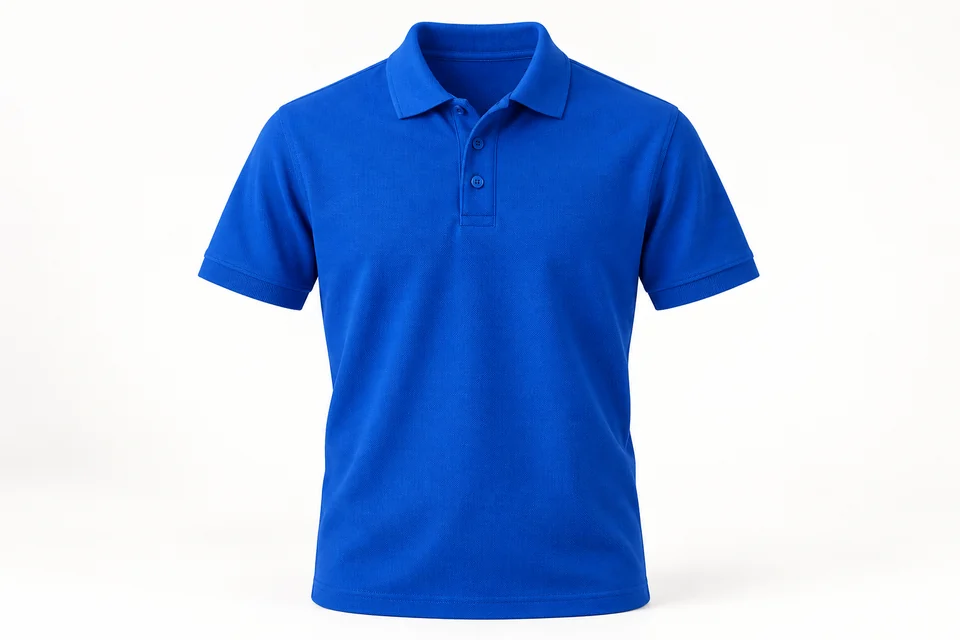
Polos & uniforms
Keep the piqué body connected to its collar, placket and visible trims. A material quotation does not automatically include a completed polo or uniform-performance approval.
03 / Development route
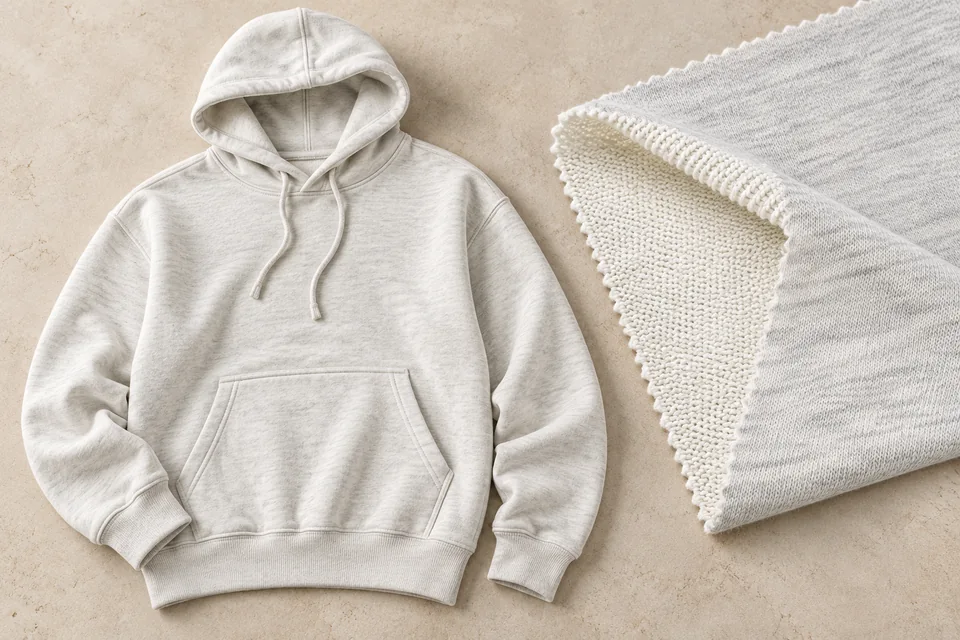
Sweatshirts & lounge
Separate loopback, unbrushed and brushed routes. Develop the hood, pocket, rib and bottom garments together without assuming that a shared colour means one specification.
04 / Development route
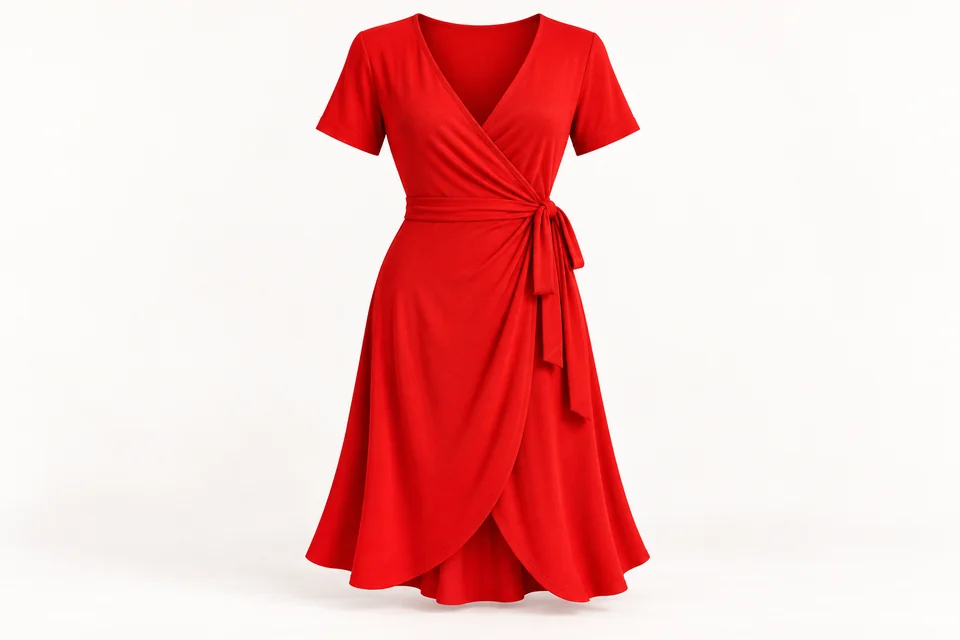
Dresses & ribwear
Start with movement, length, coverage and openings. A flattering concept image is a design prompt; representative fabric and garment trials decide suitability.
Dresses & ribwear
Develop a knit dress with drape, coverage and pattern working together
A practical route through long panels, opening construction, movement, coverage and a controlled sewn sample.
Read the guide ↗
Dresses & ribwear
Coordinate rib bodies, neckbands and cuffs without assuming they are one material
Distinguish body and trim roles, read the recorded rib routes and retain the accepted material combination.
Read the guide ↗05 / Development route
Activewear
Describe the activity, fit and required evidence. The source legging target and current PF-121 record are different; request an appropriate proposal rather than asserting equivalence.
Activewear
An activewear fabric match needs more than a performance label
Compare the source legging target with PF-121 and turn performance expectations into specific development questions.
Read the guide ↗
Activewear
A sports-bra fabric enquiry starts with the complete support system
Keep construction, material targets, component review and evidence for finished-product claims distinct.
Read the guide ↗06 / Development route
Kids & baby
Define the age and product scope, component responsibilities and destination review. Keep the proposed material and the finished garment’s approval as separate decisions.
07 / Development route
Materials & processing
Compare actual fibre records, document material claims and agree the stage at which colour is developed. Source plans are development inputs, not certification or a confirmed service offer.
Colour & process
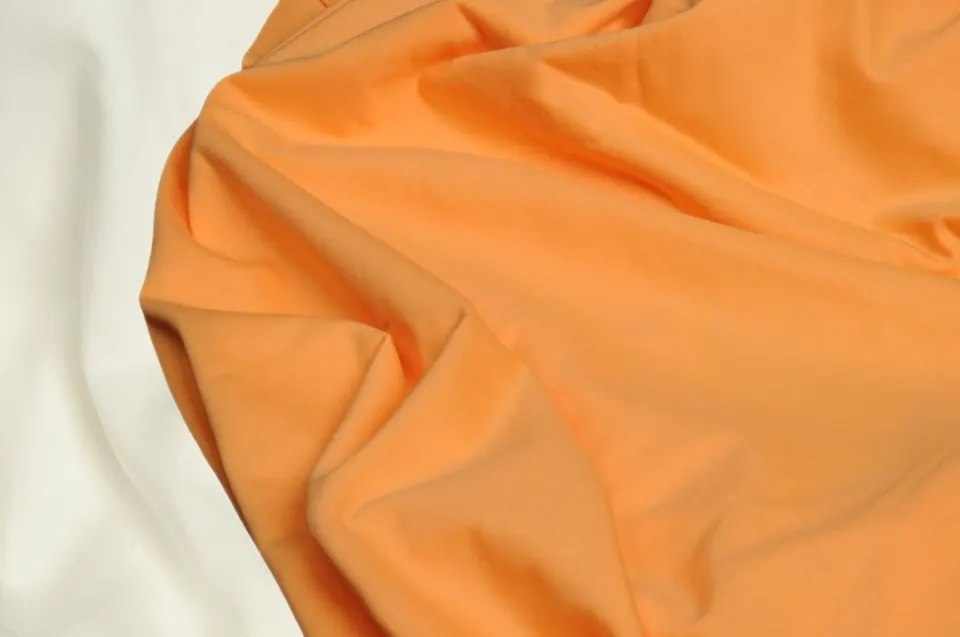
Garment dyeing and dyed fabric: write the right manufacturing brief
Identify the colour-development stage and the responsible partners before assigning a catalogue article to a garment-dye plan.
Read the guide ↗
Materials & evidence
Keep organic and recycled material targets connected to evidence
Connect the intended claim with the actual proposal and required supporting documents without inventing certification.
Read the guide ↗
Materials & evidence
Compare cotton, viscose-elastane and modal-elastane jersey through the garment
Choose the sample question first, then compare actual composition, weight, construction and garment results.
Read the guide ↗