
- Home
- Fabric journal
The fabric journal
Read the material.
Develop the garment.
Clear buying guidance for knitted dyed fabrics, ready-to-wear development and the process from cotton to colour.
Explore garment applications ↗The application library
One material decision.
Many possibilities.
Explore ten collections and 500 garment-specific guides on fabric selection, weight, colour, care and production briefs.
T-shirts
Jersey, silhouettes and decoration
Explore collection ↗02 / 50 guidesTops
Openings, layering and movement
Explore collection ↗03 / 50 guidesRibwear
Texture with a considered fit
Explore collection ↗04 / 50 guidesPolos
A coordinated component story
Explore collection ↗05 / 50 guidesSweatshirts
Build the right everyday layer
Explore collection ↗06 / 50 guidesHoodies
Shape, volume and finishing details
Explore collection ↗07 / 50 guidesBottoms
Fabric decisions in motion
Explore collection ↗08 / 50 guidesDresses
Drape, coverage and proportion
Explore collection ↗09 / 50 guidesSleepwear
Considered materials for everyday rest
Explore collection ↗10 / 50 guidesActivewear
Begin with a measurable activity brief
Explore collection ↗The reading room
Find your next
fabric decision.
28 connected guides: fourteen garment application articles, eight process videos and six textile foundations. Search by garment, process or buying question.
28 guides

T-shirts & tops
Build a T-shirt range around fabric decisions, not weight alone
Separate core, fitted and streetwear material briefs; compare actual catalogue records and the source planning targets.
Read the guide ↗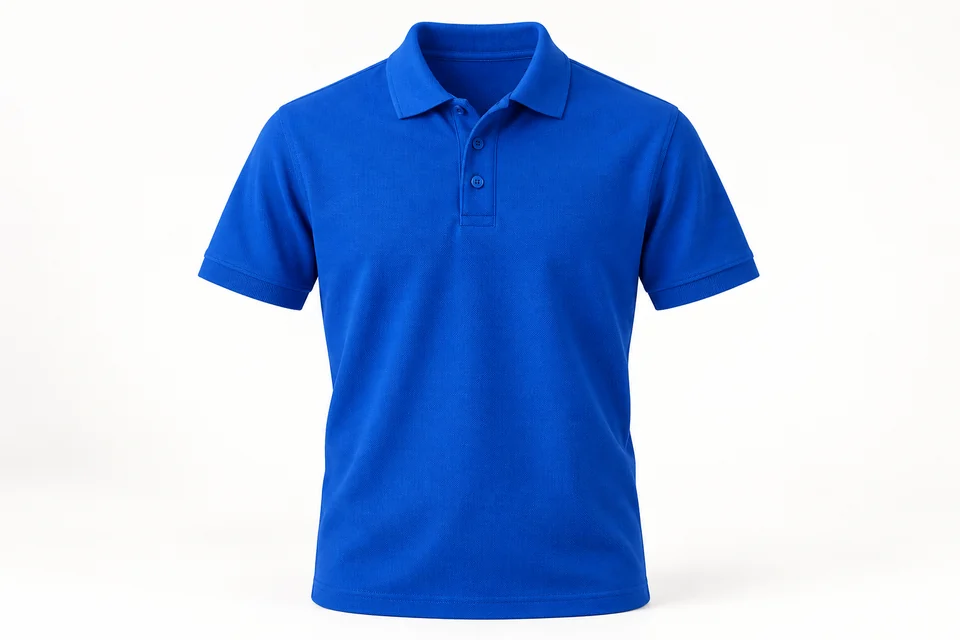
Polos & uniforms
Source a polo as a coordinated fabric-and-component brief
Connect the piqué body, collar, placket, trims and decoration without confusing a fabric quotation with a garment offer.
Read the guide ↗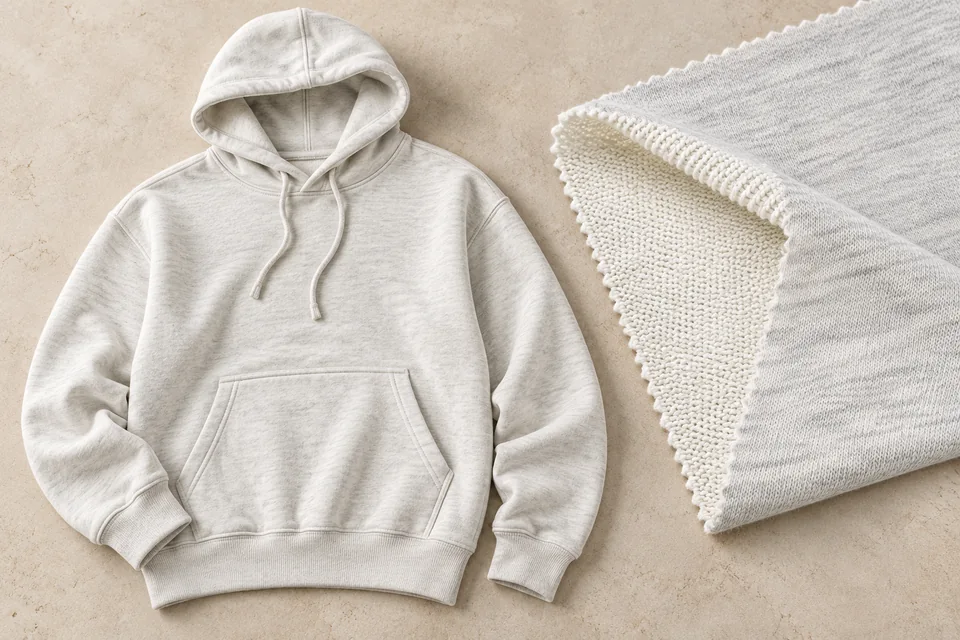
Sweatshirts & lounge
Plan a hoodie and sweatshirt capsule without confusing fleece routes
Compare loopback, unbrushed and brushed records, then coordinate hood, pocket, rib and garment approvals.
Read the guide ↗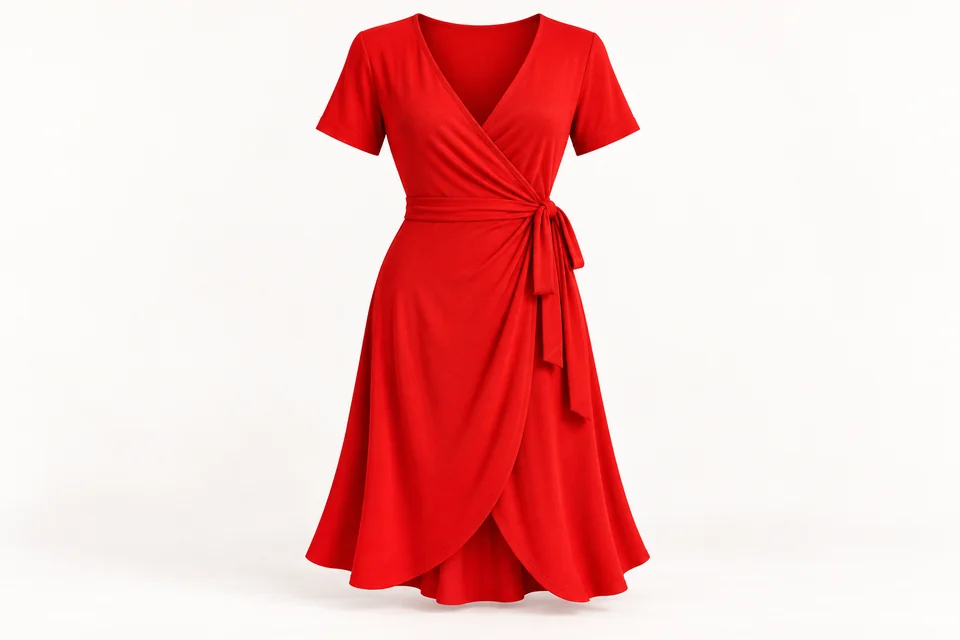
Dresses & ribwear
Develop a knit dress with drape, coverage and pattern working together
A practical route through long panels, opening construction, movement, coverage and a controlled sewn sample.
Read the guide ↗
Colour & process
Garment dyeing and dyed fabric: write the right manufacturing brief
Identify the colour-development stage and the responsible partners before assigning a catalogue article to a garment-dye plan.
Read the guide ↗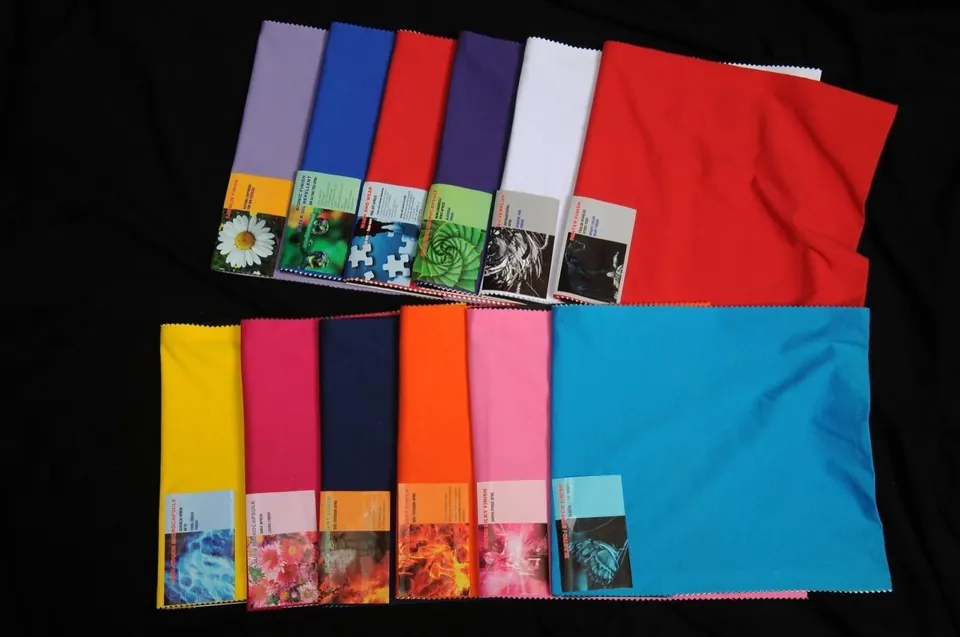
Activewear
An activewear fabric match needs more than a performance label
Compare the source legging target with PF-121 and turn performance expectations into specific development questions.
Read the guide ↗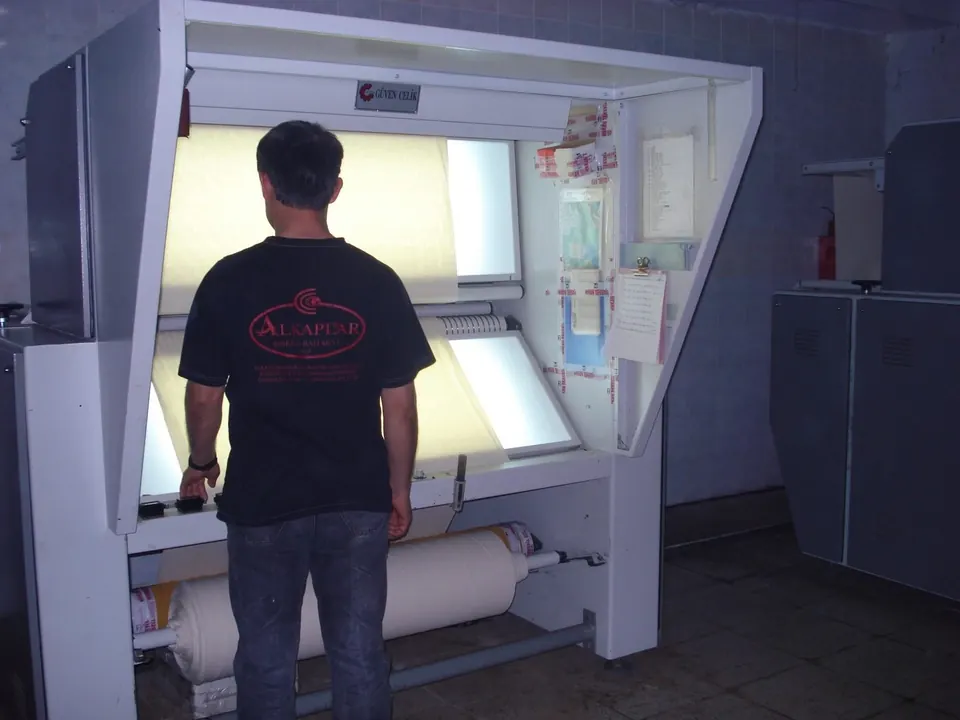
Kids & development
Prepare a baby and children’s knit-fabric brief with the product scope clear
Keep age, construction, components, source alternatives and destination review visible in the material handover.
Read the guide ↗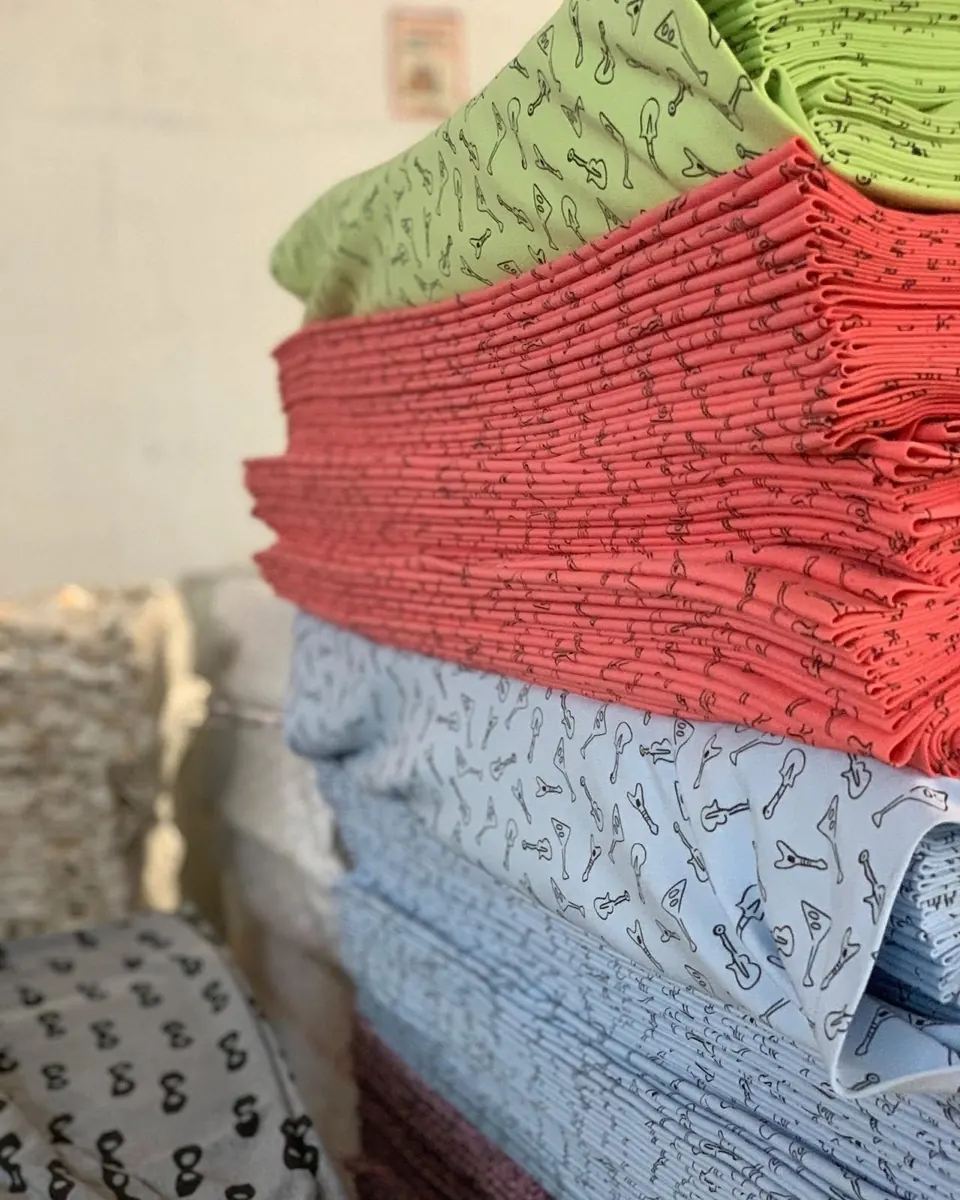
T-shirts & tops
Give a graphic T-shirt a fabric-and-artwork approval plan
Connect the substrate, artwork revision, placement and decorated trial rather than approving a mockup alone.
Read the guide ↗
T-shirts & tops
Develop long-sleeve jersey tops as their own sampling programme
Keep lighter and heavyweight targets separate, then review sleeves, cuffs, layering and the accepted garment record.
Read the guide ↗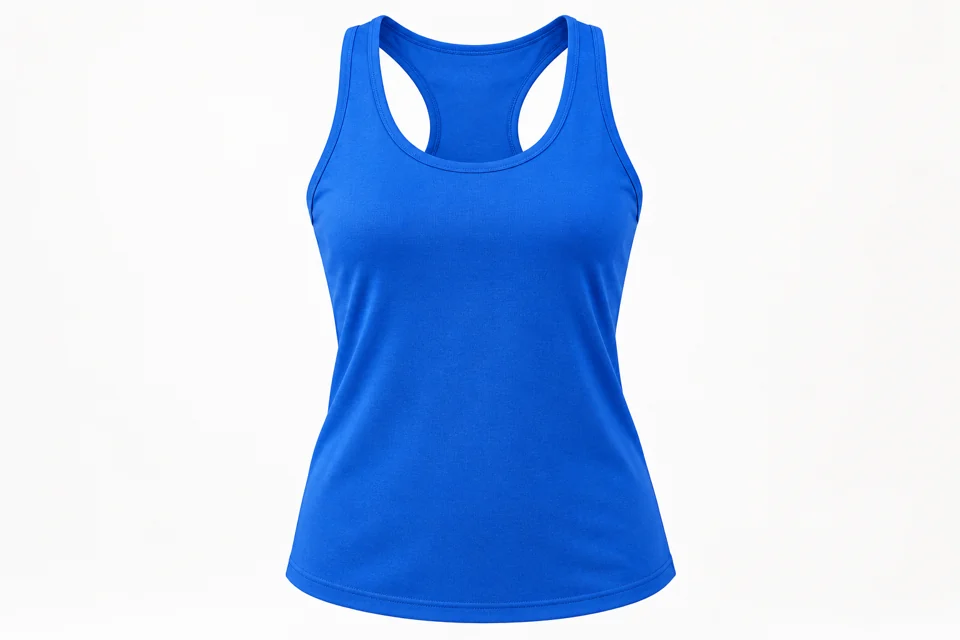
T-shirts & tops
Build a tank-top brief around openings, binding and fabric identity
Separate the source cotton, racerback and poly-viscose targets; connect body fabric with the complete opening construction.
Read the guide ↗
Activewear
A sports-bra fabric enquiry starts with the complete support system
Keep construction, material targets, component review and evidence for finished-product claims distinct.
Read the guide ↗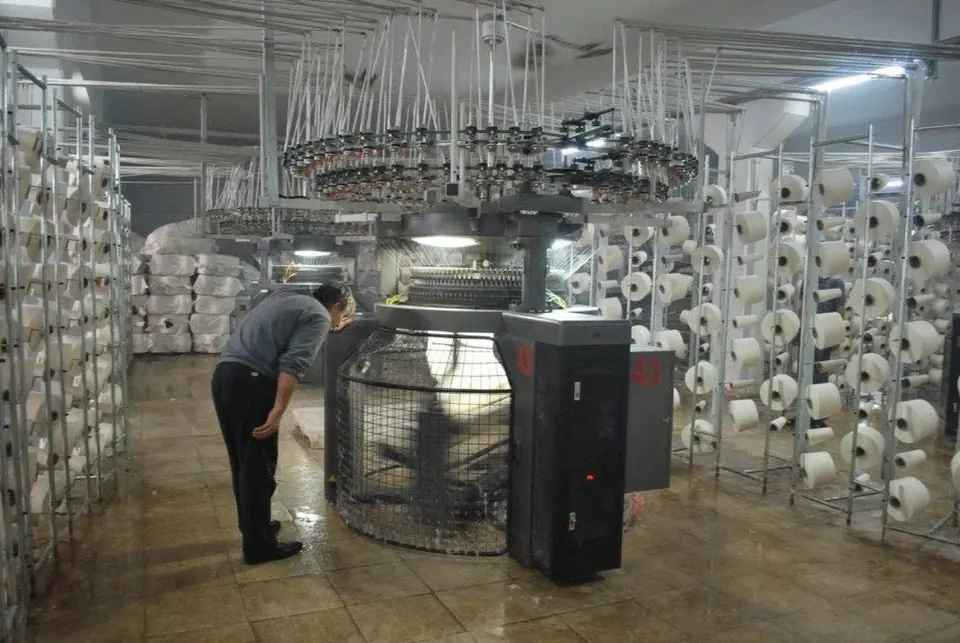
Dresses & ribwear
Coordinate rib bodies, neckbands and cuffs without assuming they are one material
Distinguish body and trim roles, read the recorded rib routes and retain the accepted material combination.
Read the guide ↗
Materials & evidence
Keep organic and recycled material targets connected to evidence
Connect the intended claim with the actual proposal and required supporting documents without inventing certification.
Read the guide ↗
Materials & evidence
Compare cotton, viscose-elastane and modal-elastane jersey through the garment
Choose the sample question first, then compare actual composition, weight, construction and garment results.
Read the guide ↗Process & buying
Before the knitting machine: write a yarn-aware fabric brief
Turn a garment idea into a fabric enquiry with clear material requirements.
Read the guide ↗
Process & buying
Read the knit structure before you choose the silhouette
Compare constructions against the silhouette, surface and sample questions that matter.
Read the guide ↗Process & buying
GSM and usable width: the fabric costing conversation
Put weight, usable width and garment consumption on the same costing sheet.
Read the guide ↗
Process & buying
Review a lab dip without losing the colour brief
Keep targets, submissions and approval comments connected throughout development.
Read the guide ↗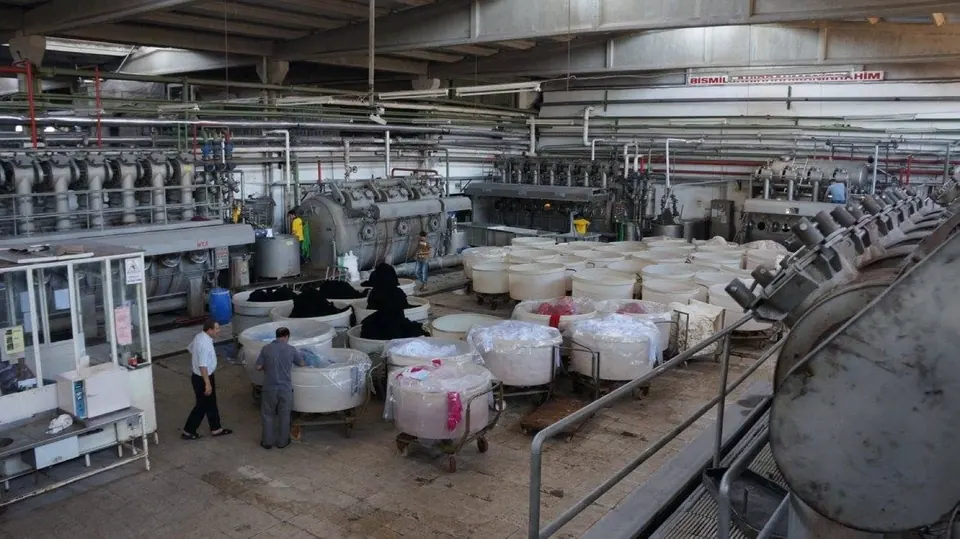
Process & buying
From approved colour to a controlled bulk-fabric handover
Connect the approved colour to the bulk order, component review and release record.
Read the guide ↗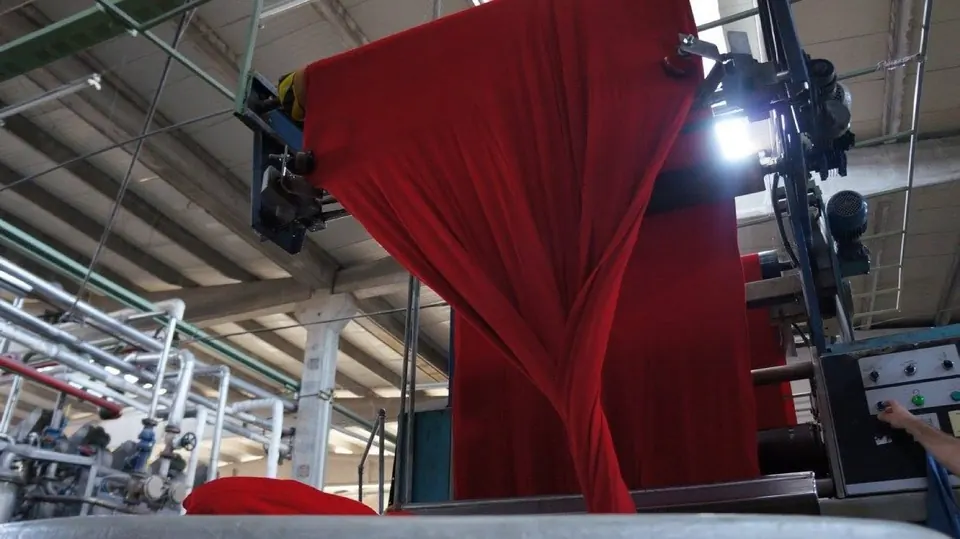
Process & buying
Approve the finish with the care routine in view
Review hand, intended care and a representative garment before committing to the finish.
Read the guide ↗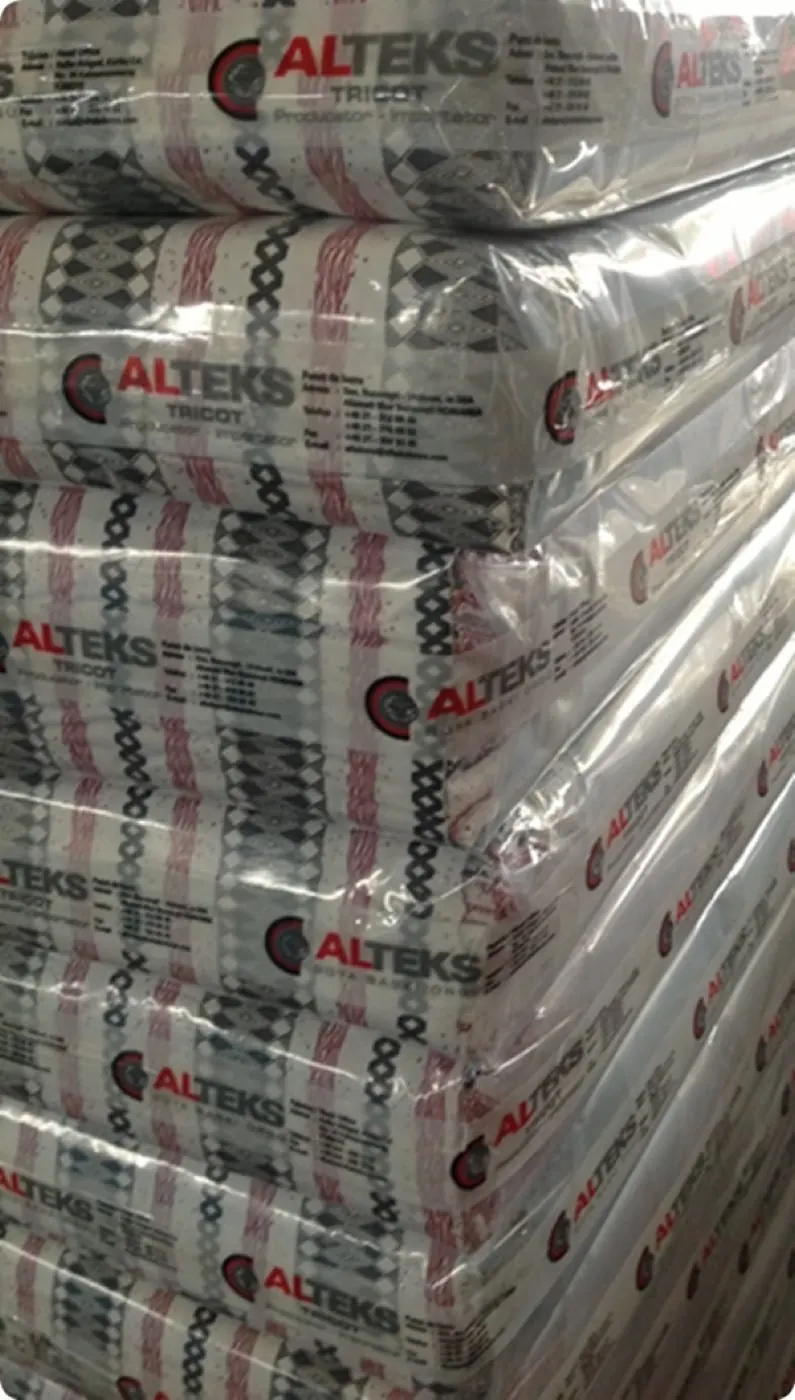
Process & buying
Keep roll identity intact from receiving to the cutting table
Keep material identifiers useful when fabric moves from receiving to cutting.
Read the guide ↗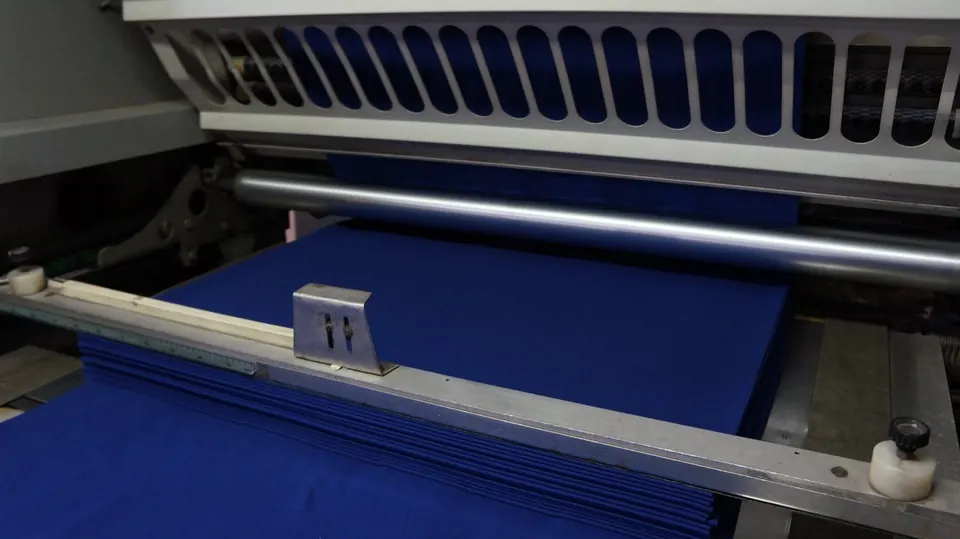
Process & buying
What a sewn sample should answer before a fabric order
Give each sewn sample a specific decision to resolve before ordering fabric.
Read the guide ↗
Textile foundations
From Cotton to Yarn: What Knitted Fabric Buyers Should Specify
A practical introduction to cotton preparation, yarn terminology and the questions that make fabric quotations easier to compare.
Read the guide ↗Textile foundations
Jersey, Rib or Interlock? Choosing a Knit Structure
Choose a construction by how the garment should fit, move and look, then validate that choice with a representative sample.
Read the guide ↗Textile foundations
From Lab Dip to Bulk: A Clearer Colour Approval Process
Clear colour references and documented approvals help buyers and suppliers discuss the same shade at every stage.
Read the guide ↗Textile foundations
Finishing and Shrinkage: What to Agree Before Bulk Fabric
Go beyond “pre-shrunk” and “soft finish” with measurable requirements, representative samples and an agreed care procedure.
Read the guide ↗Textile foundations
Choosing Fabric GSM and Composition for Your Garment
Use GSM as one part of a complete fabric brief, alongside composition, construction, width, finish and end use.
Read the guide ↗Textile foundations
From Fabric Sample to Finished Garment: A Buyer’s Checklist
A practical sequence for turning an approved fabric swatch into a documented garment and bulk-production specification.
Read the guide ↗No guides match. Try another term or select all topics.
Before you contact the mill
Start with the requirements you know. Bring a reference sample for the details still to be developed.
What should I include in a wholesale fabric enquiry?
Include the end use, construction, composition, finished GSM, usable width, colours and estimated quantity by colour. Add your destination market, required timing and any tests or documentation you need. If you have a reference sample, describe which qualities should be matched.
How do I choose between jersey, rib and interlock?
Start with the garment’s fit, silhouette and use. Compare representative samples for appearance, handle and performance, then validate the preferred construction in a sewn sample. Our construction guide explains the main distinctions.
Can I approve fabric colour from a screen?
Treat on-screen colours as illustrative. Agree a physical reference, relevant viewing conditions and any instrumental assessment with the supplier before colour approval.
Is GSM enough to specify a knitted fabric?
No. Include composition, construction, finished width, colour, finish and performance requirements. GSM describes mass per area, not the complete behaviour of the material.