




Define oversized through proportion rather than a larger size label
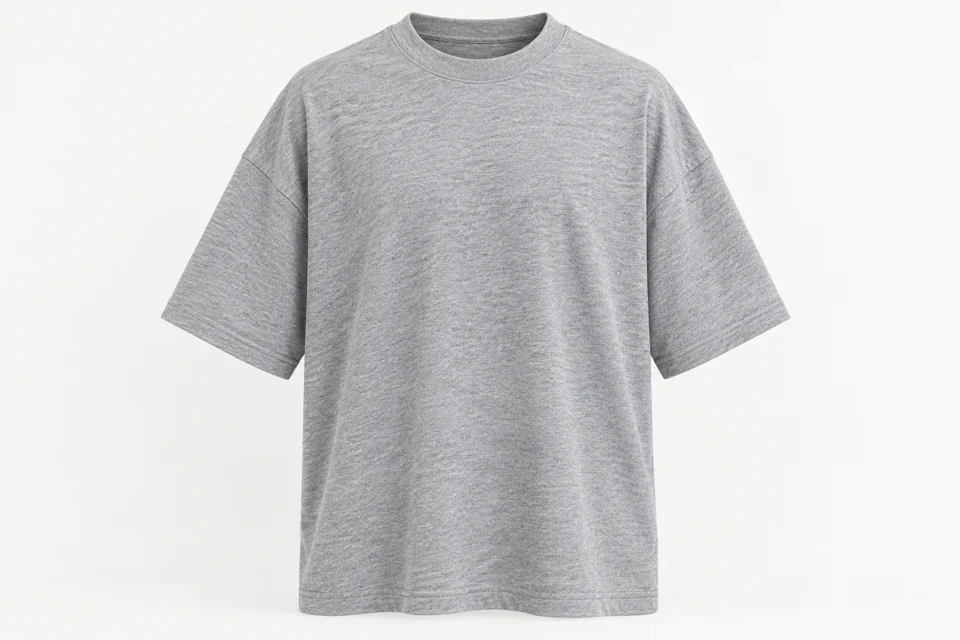
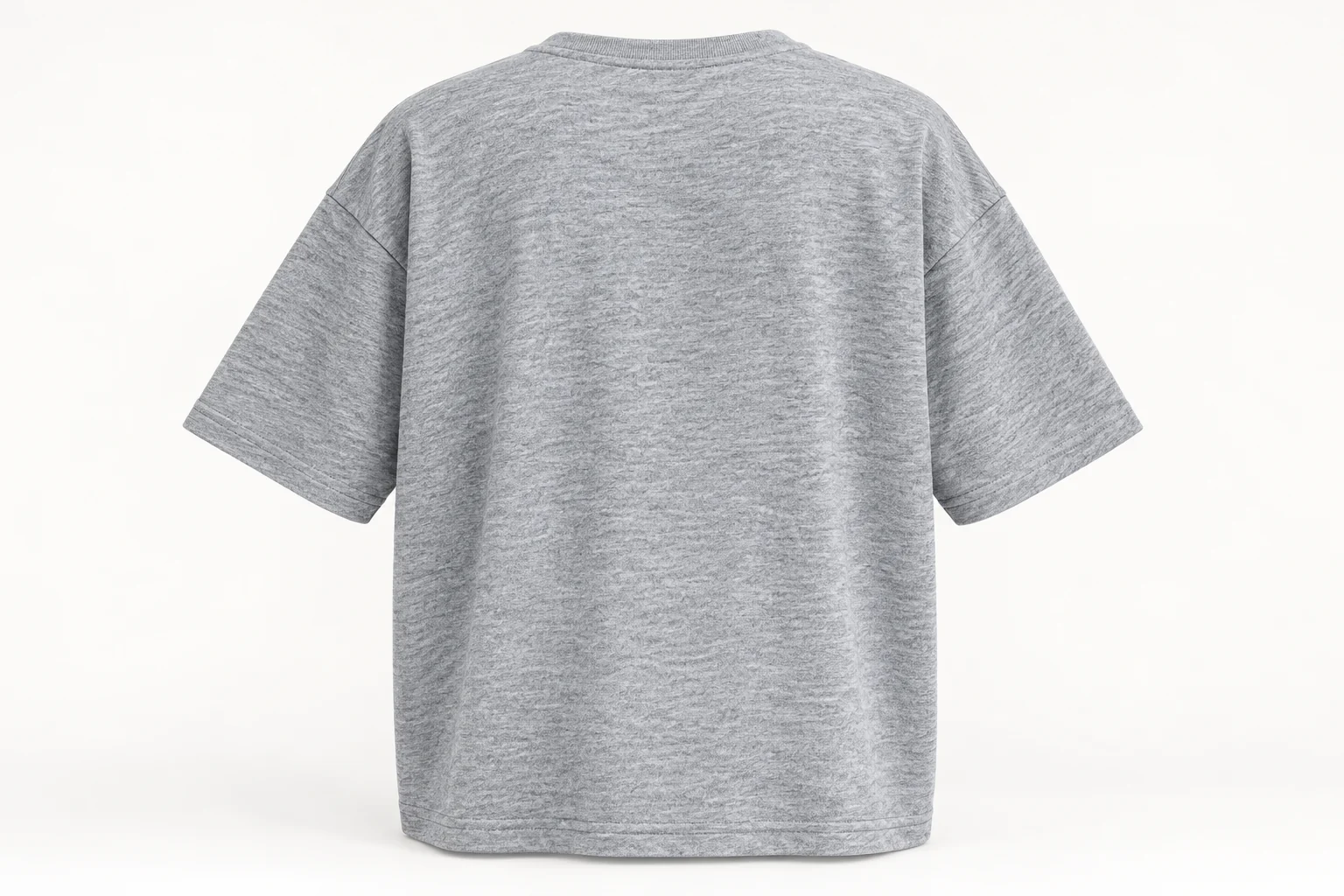
An oversized T-shirt is an intentional relationship between body width, shoulder drop, sleeve shape and length. Simply buying a larger standard size may move all of those features without creating the intended silhouette. Begin with a drawing and a representative fit reference showing where the shoulder seam should sit and how the hem should fall. State which dimensions are deliberately generous and which should remain controlled. The material comparison can then ask whether the proposed wide panel and dropped sleeve produce that shape, rather than asking for a generic heavyweight oversized fabric.
Compare jersey and interlock without promising the outcome
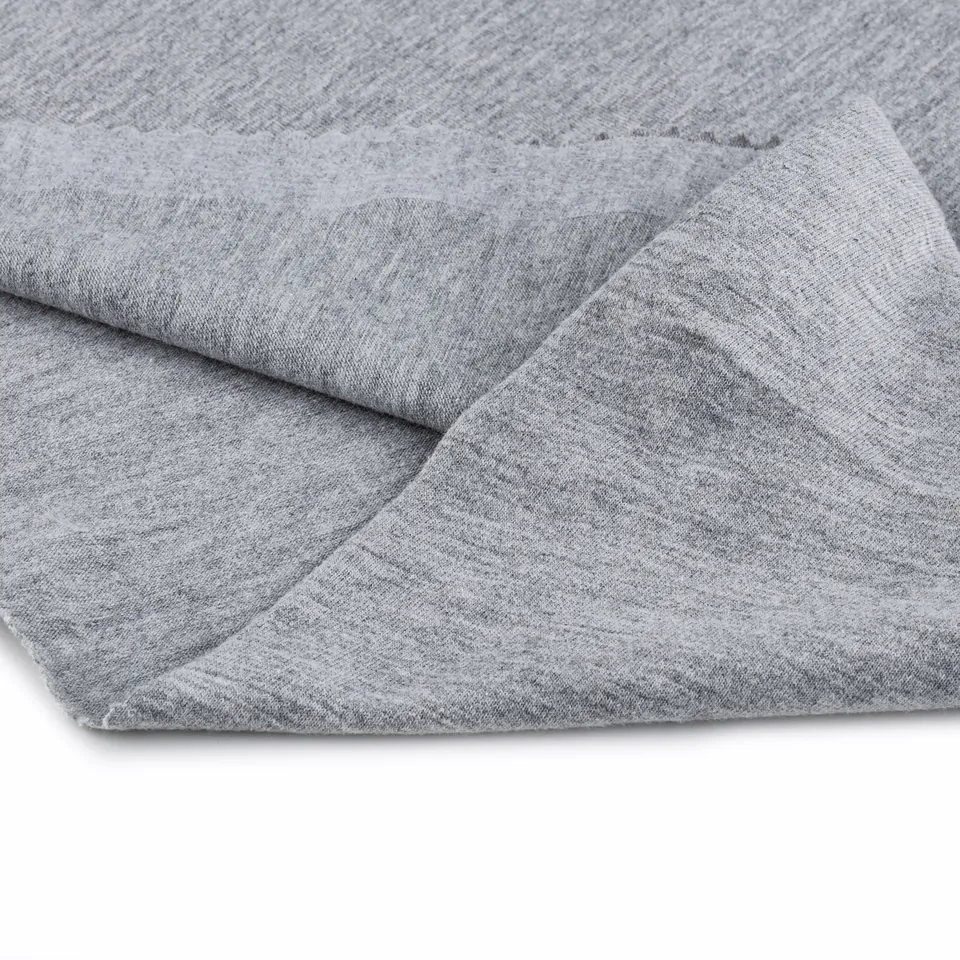
SJ-101 belongs to the single-jersey family, while IN-201 is an interlock. CottonWorks identifies interlock as a double-knit construction, so the family distinction is real. It does not establish the tested opacity, recovery or stability of these particular offers. The listed weights and finishes also differ, making this a comparison of complete material routes rather than one isolated construction variable. Have the maker explain whether the first samples use the same pattern or documented adaptations, then assess the actual offered cuttings in the intended broad silhouette.
CottonWorks: Single & Double Knits — Interlock is classified as a double-knit construction. General statements about knit families do not establish measured stability, opacity or recovery for the offered IN-201 material.
Review shoulder drop with sleeve pitch
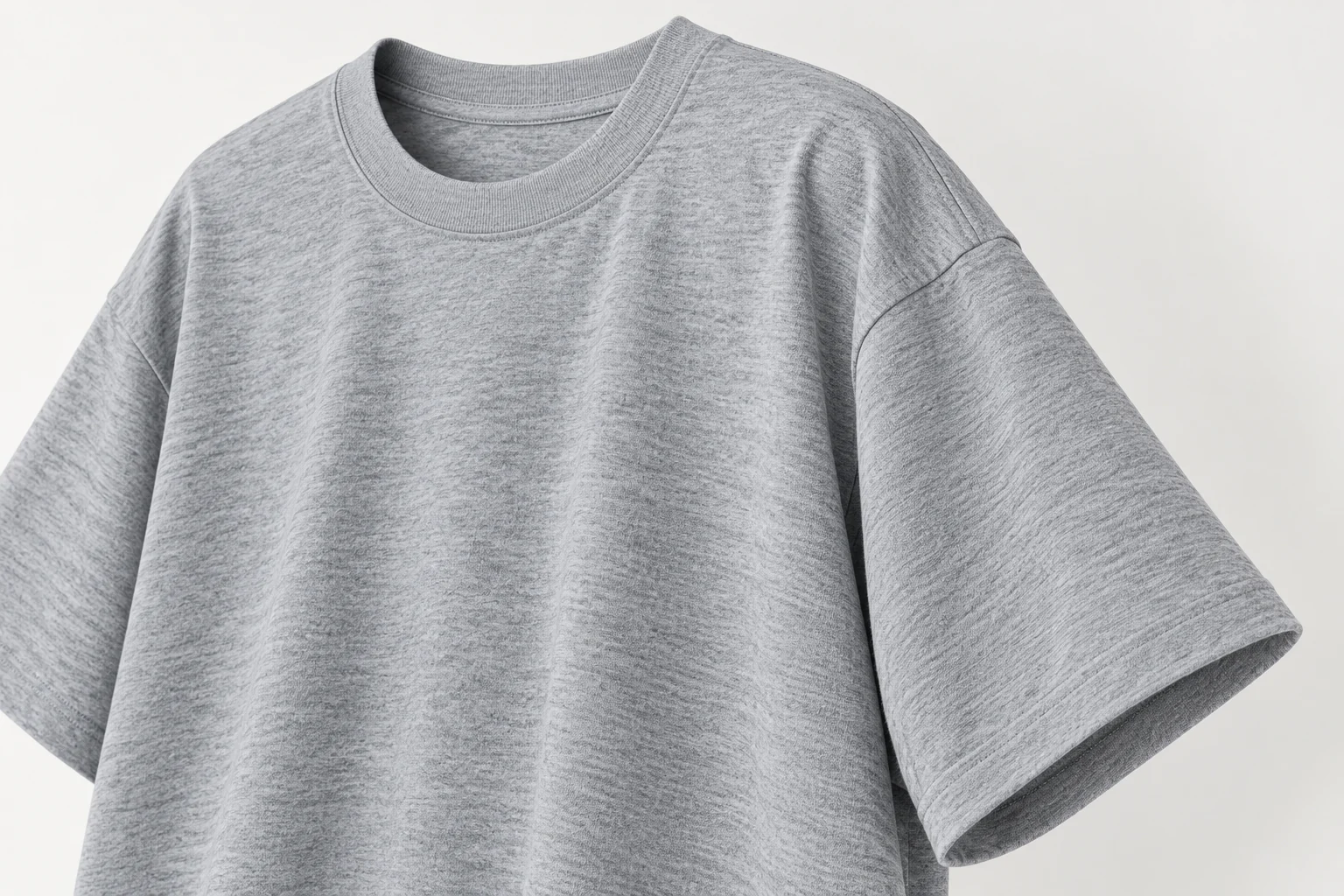
A dropped shoulder changes where the sleeve begins relative to the arm. Sample the proposed seam position and sleeve orientation together, looking from the front, side and back. If the sleeve swings forward or the underarm folds look unintended, ask the pattern team to diagnose the combination instead of immediately selecting a firmer fabric. A heavier-looking cutting cannot correct every sleeve-shape decision. Keep the desired sleeve opening and length on the drawing so the material trial answers a recognisable design question rather than drifting toward a different oversized style.
Keep the neck opening independent of body volume
Extra chest width does not necessarily mean that the neck opening should grow by the same proportion. Decide the intended neckline appearance and dressing comfort separately, then develop the actual band and attachment with the chosen body. An illustrative fit problem is a broad body that looks right while the opening slips farther toward one shoulder than intended. Investigate the opening, band and upper-body balance before reducing the entire shirt. Record each correction so the second sample reveals whether it solved the neck issue without sacrificing the intentional oversized width.
Judge how the wide body falls at full length
Hang and wear the complete proposed length, observing the side profile and hem as well as the front width. Ask whether the side seams remain where the design expects and whether the sleeve and body volumes work together during an ordinary reach. CottonWorks' design guidance includes garment-stage fitting, supporting this complete-shape review. Neither cotton content nor a finish name can replace it. If the fabric is changed after the first prototype, compare the new sample against the same visual target instead of accepting any roomy garment as equivalent to the original brief.
CottonWorks: Designing Knit Textiles — Actual fabric assessment includes garment-stage fitting; the oversized shoulder, sleeve and hem trials are original editorial development proposals rather than article-specific test findings.
Catalogue starting points
SJ-101 records 100% compact combed cotton with 130, 140, 150, 160, 170 g/m² options and Enzyme + silicone. IN-201 records 100% combed cotton with 190, 205, 220, 235, 250 g/m² options and Enzyme + compacted. The two weight lists do not overlap, and their finish labels do not constitute performance reports. Ask for the precise offered finished material and usable width. Treat the catalogue routes as candidates for comparison, not a guarantee that interlock produces a boxier shirt or that single jersey necessarily produces a softer silhouette.
Release a specific oversized design
Keep the accepted chest width, shoulder position, sleeve orientation, neck construction and body length beside the selected article and pattern revision. Identify which sample observations supported the choice and which questions remain open. A later change in material or proportions may require another targeted fitting, even if both versions carry the same marketing label. The buyer should be able to describe the accepted silhouette without relying on oversized alone. That gives the supplier and garment maker a useful reference for discussing repeat orders or proposed alternatives.
Technical background and scope
This is a structured editorial draft. Garment-specific development advice is paired with existing catalogue records; compatibility must be established by sampling. AL KUMAŞ supplies fabric. Cutting, sewing and finished-garment production are separate unless explicitly agreed.