




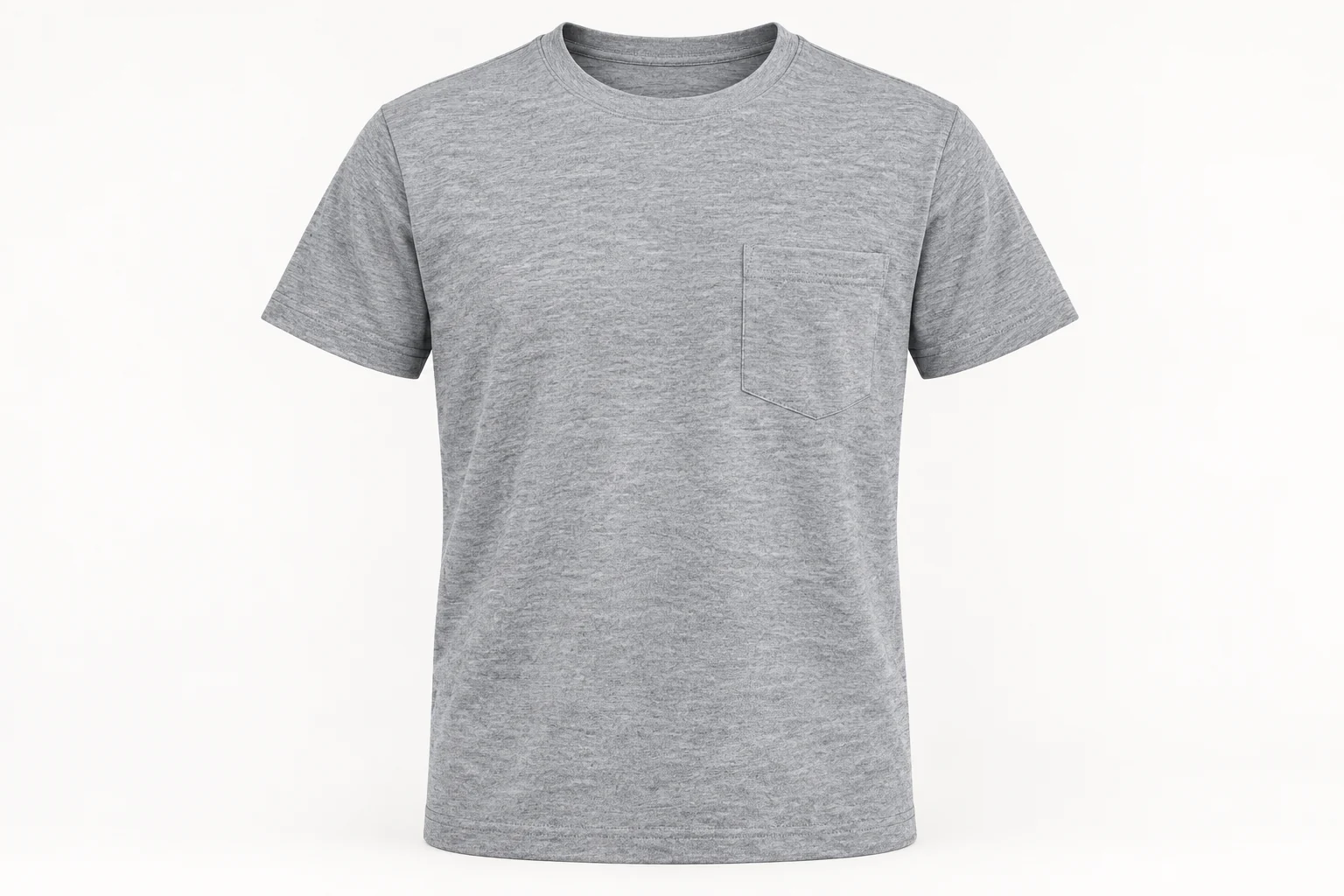
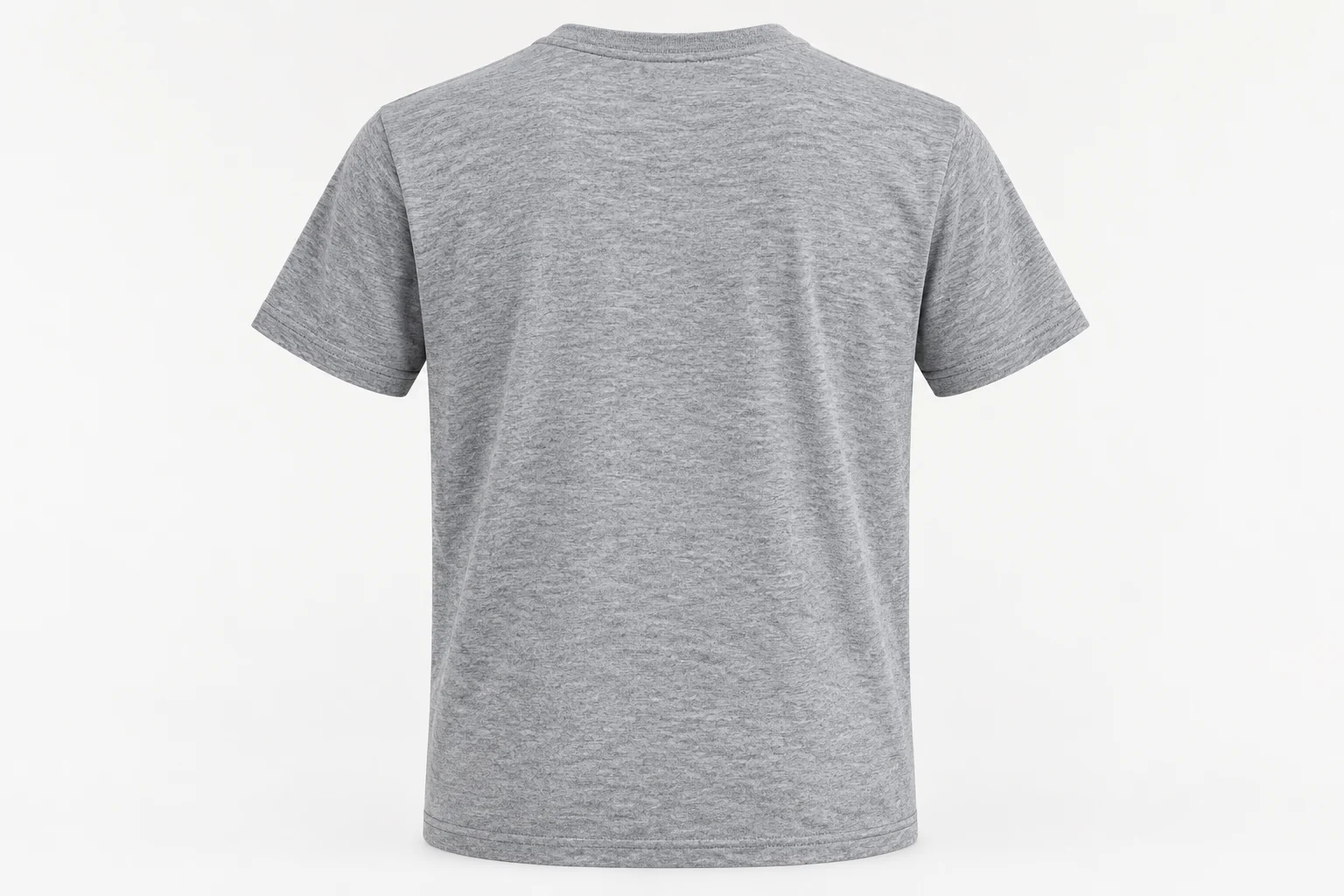

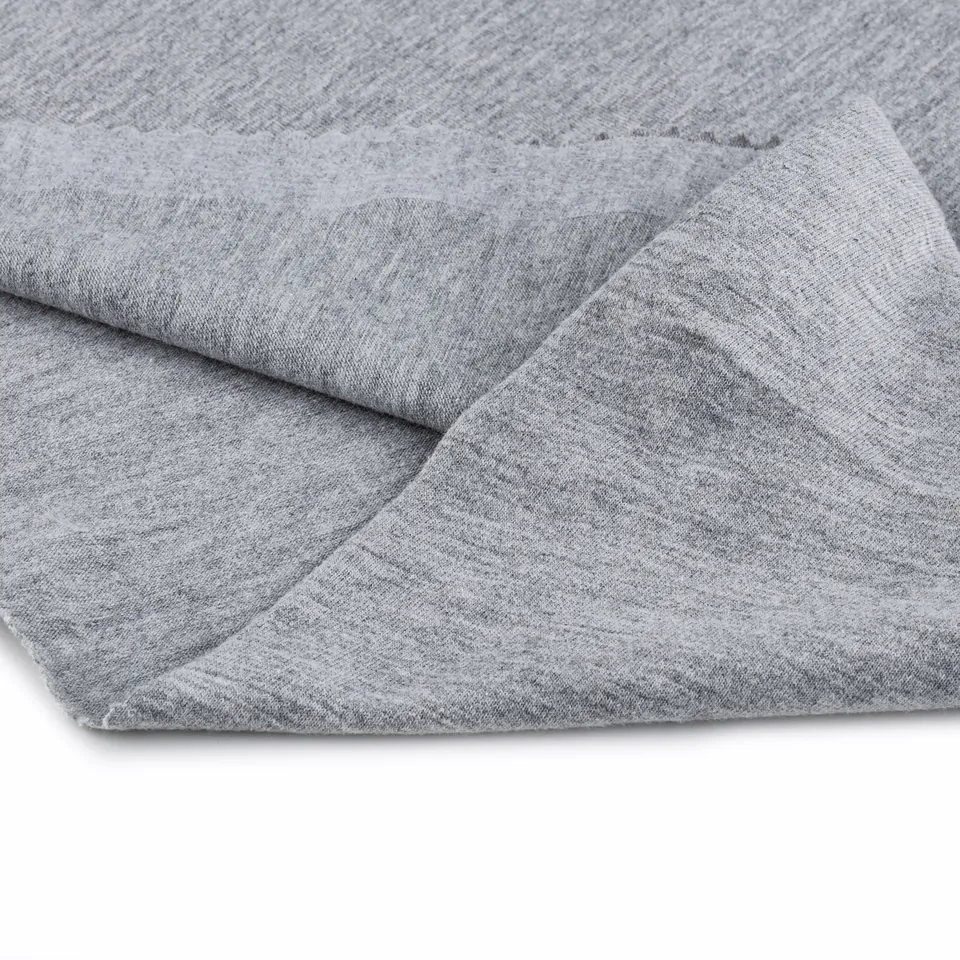
Use a pocket fault-to-request exercise before committing body fabric
Treat the first buying discussion as a way to identify which request would resolve a pocket issue. An unwanted patch does not always mean the main body offer is wrong. Ask the maker to separate three possible questions: how the component was cut, how it was attached and how its material relates to the body. This is an editorial investigation tool, not a substitute for technical diagnosis. It helps a buyer avoid ordering a different body fabric when the next useful action may instead be a controlled attachment trial or a clearer placement instruction.
Allocate a small controlled comparison rather than unrelated prototypes
For an example development allocation, keep the same body, pocket shape and approved material direction in trials A and B, changing one maker-selected attachment variable. Record that variable instead of simply labelling B improved. A proposed contrast material belongs in another explicitly identified trial because it changes the component comparison. The letters are invented planning labels, not supplied products or required factory methods. Ask the maker which quantity and sample form can answer the chosen question, rather than buying several full material routes whose different results cannot be attributed to any specific decision.
Route each observation to the responsible next response
If the issue is perimeter puckering, ask for investigation of the actual material and assembly; Coats describes several potential contributors rather than one universal cause. If the issue is broken print alignment, request a revised cutting demonstration instead of sending an unexplained colour complaint. If pocket and body look different after care, ask for a component-specific review on the tested materials. These branches produce different sample or information requests. The buyer should name the observed issue, retain its sample reference and wait for an accountable technical proposal rather than prescribing an unsupported fabric replacement.
Coats: Eliminating Seam Puckering — Puckering has multiple possible contributors. The fault-to-request branches, controlled A/B allocation and paired cutting-kit instructions are original editorial buyer tools, not a source-prescribed test, supplier form or universal corrective procedure.
Ask for paired material kits when matching is part of the design
For a patch that must align with a body pattern, identify which body panel and pocket cutting belong together and how the cutter proposes to preserve that association. Request the actual layout reference and any component identification needed by the sewing team. Do not assume that two pieces taken from the same roll automatically show the required motif phase or position. A contrast solid needs a different request: its exact material and physical colour reference, not a matched cutting kit. The buying instruction should therefore follow the accepted visual relationship rather than use one vague self-fabric label for every variant.
Challenge the quoted pocket scope with a component comparison
Ask whether a material estimate includes the patch pieces, whether a separate pocket fabric is purchased and whether matching restrictions affect the layout. Ask the maker to identify the attachment and top-finish scope represented by its proposal. A small raw-material mass does not answer those questions. Compare an unrestricted patch with a deliberately matched or contrast version only after the different scopes are visible; do not invent a general matching surcharge. When a trial changes pocket shape, direction or construction, request an explicit statement of which material or operation estimate needs revision.
Catalogue starting points
SJ-101 names a 100% compact combed cotton single jersey at 130, 140, 150, 160, 170 g/m² with Enzyme + silicone. IN-201 names a 100% combed cotton interlock at 190, 205, 220, 235, 250 g/m² with Enzyme + compacted. Their listed masses do not overlap, and neither is an approved pocket assembly or a stock confirmation. Identify the actual offered body version and any self-fabric patch proposal. A separately sourced pocket needs its own material identity; neither cotton description guarantees compatibility or attachment flatness.
Issue the next request only for the unresolved branch
After the maker identifies the cause and proposed correction, request the relevant revised attachment sample, cutting layout or component evidence rather than reopening every accepted feature. Preserve the established body offer unless a technical response explains why it must change. If the buyer chooses a different visual pocket variant, record that as a new product decision rather than a fault correction. This branching approach makes the enquiry useful: it converts a specific observed pocket problem into a targeted supplier or maker response, keeping the accepted component configuration and its cost assumptions traceable throughout development.
Technical background and scope
This is a structured editorial draft. Garment-specific development advice is paired with existing catalogue records; compatibility must be established by sampling. AL KUMAŞ supplies fabric. Cutting, sewing and finished-garment production are separate unless explicitly agreed.