



Start the enquiry with an adult product definition
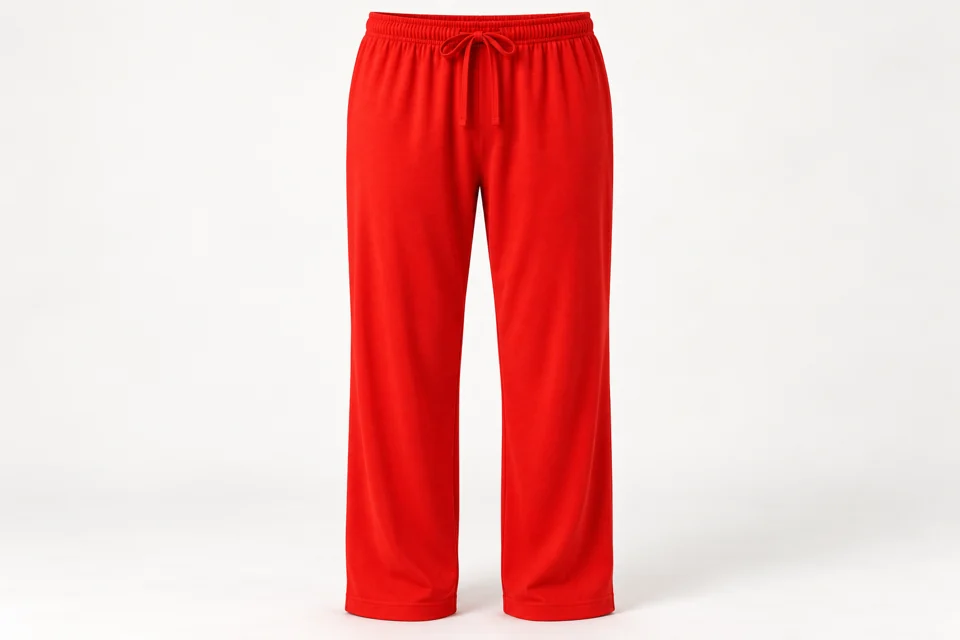
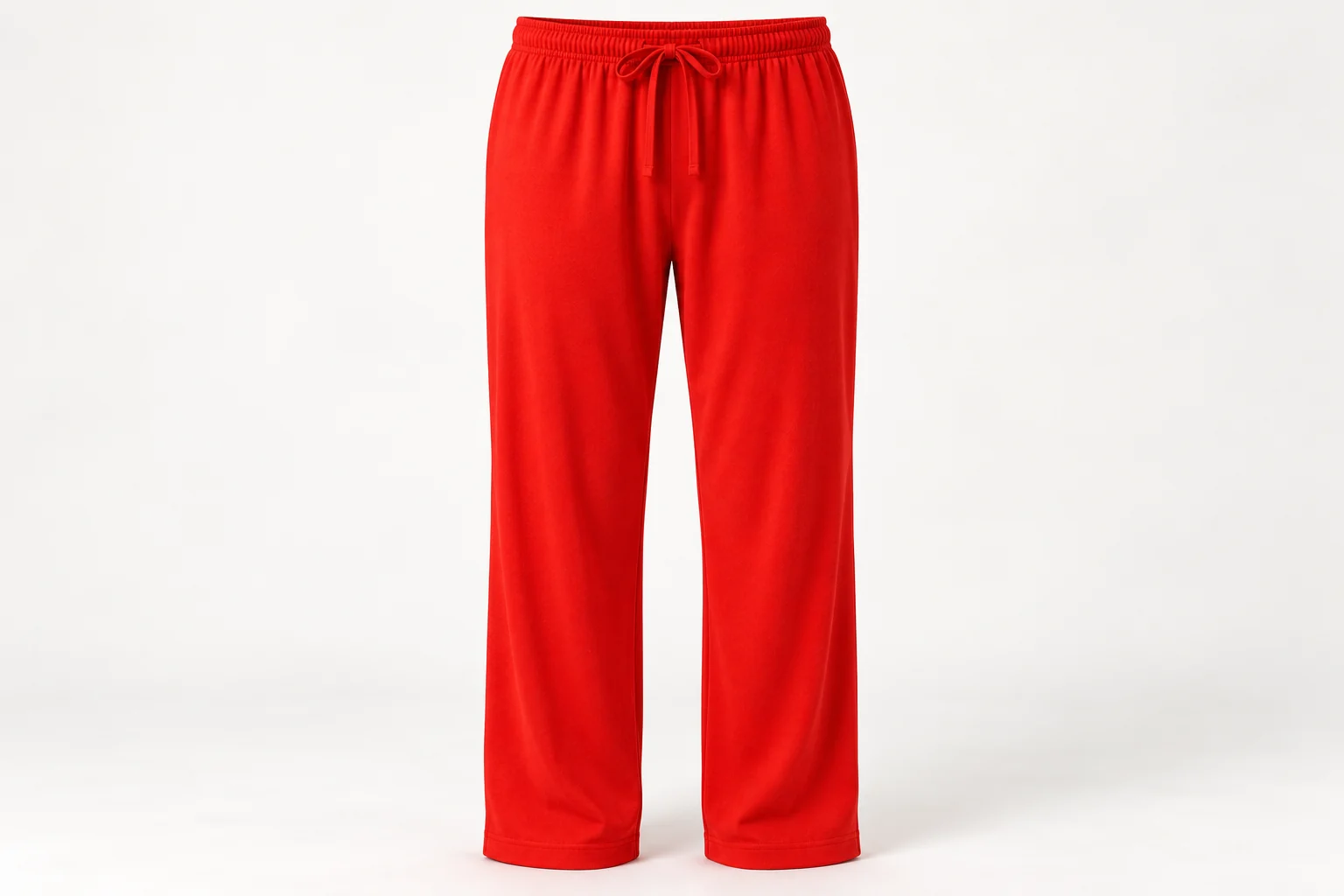
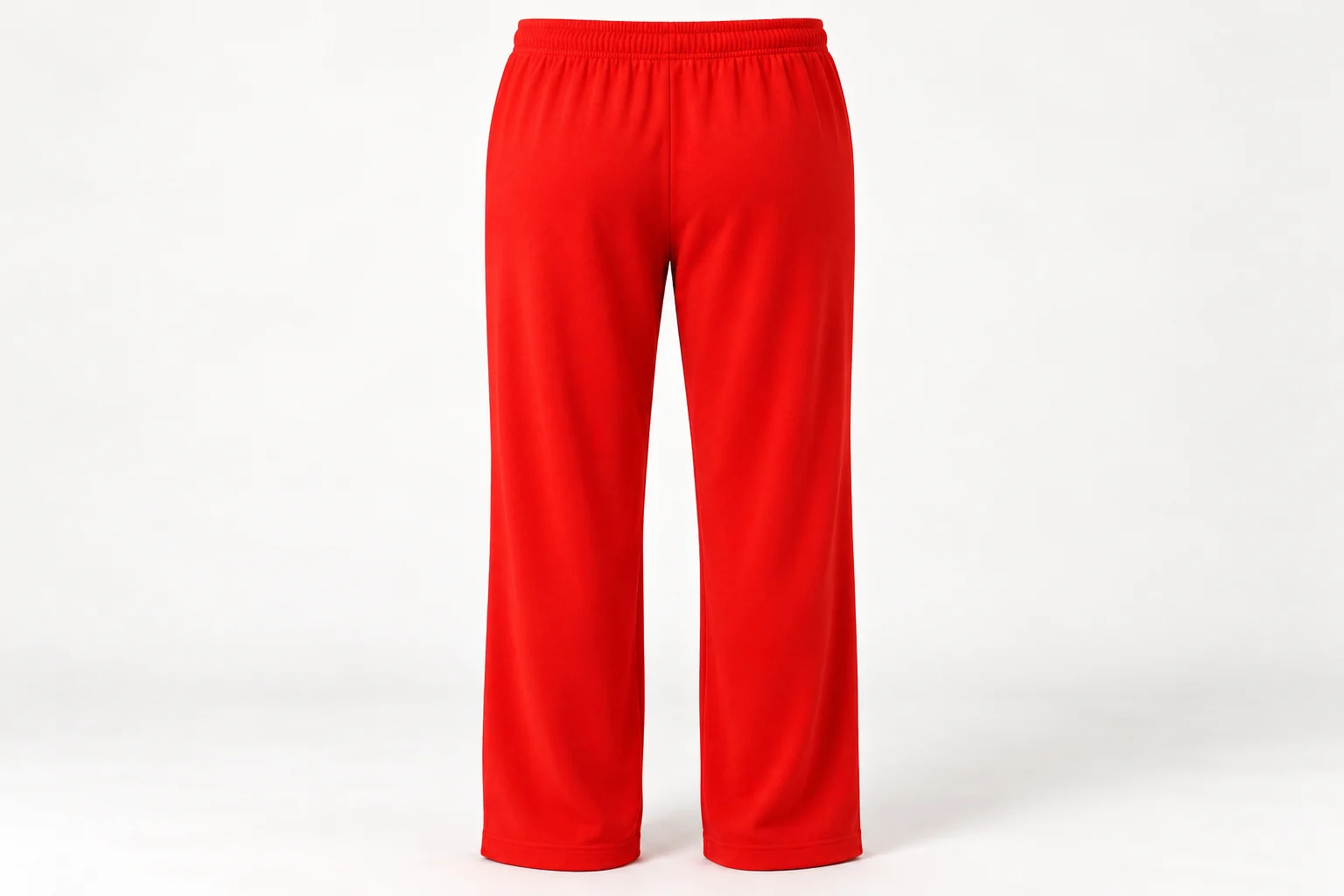
Describe the programme as adult knitted pyjama trousers and give the proposed silhouette, sales destination and whether a coordinating top is involved. A straight loose leg, an ankle cuff and a wide-leg style are different development requests even if all belong in a sleepwear range. Provide a drawing with the front and back rise, pockets and waistband visible. Mark features that may change during sampling. This helps the fabric supplier distinguish a request for an existing body quality from a request requiring further garment-development work.
Name the comparison instead of asking for best pyjama fabric
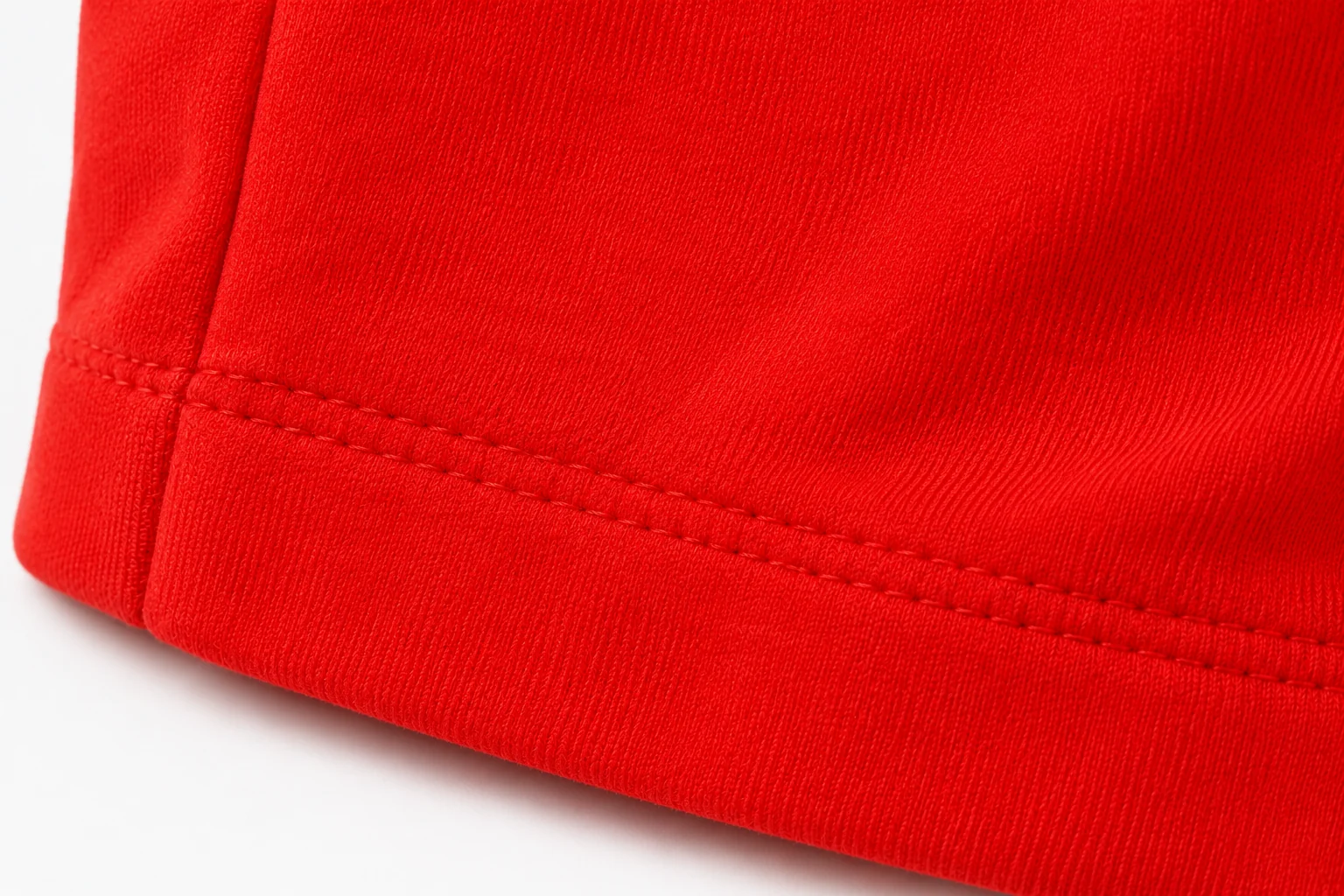
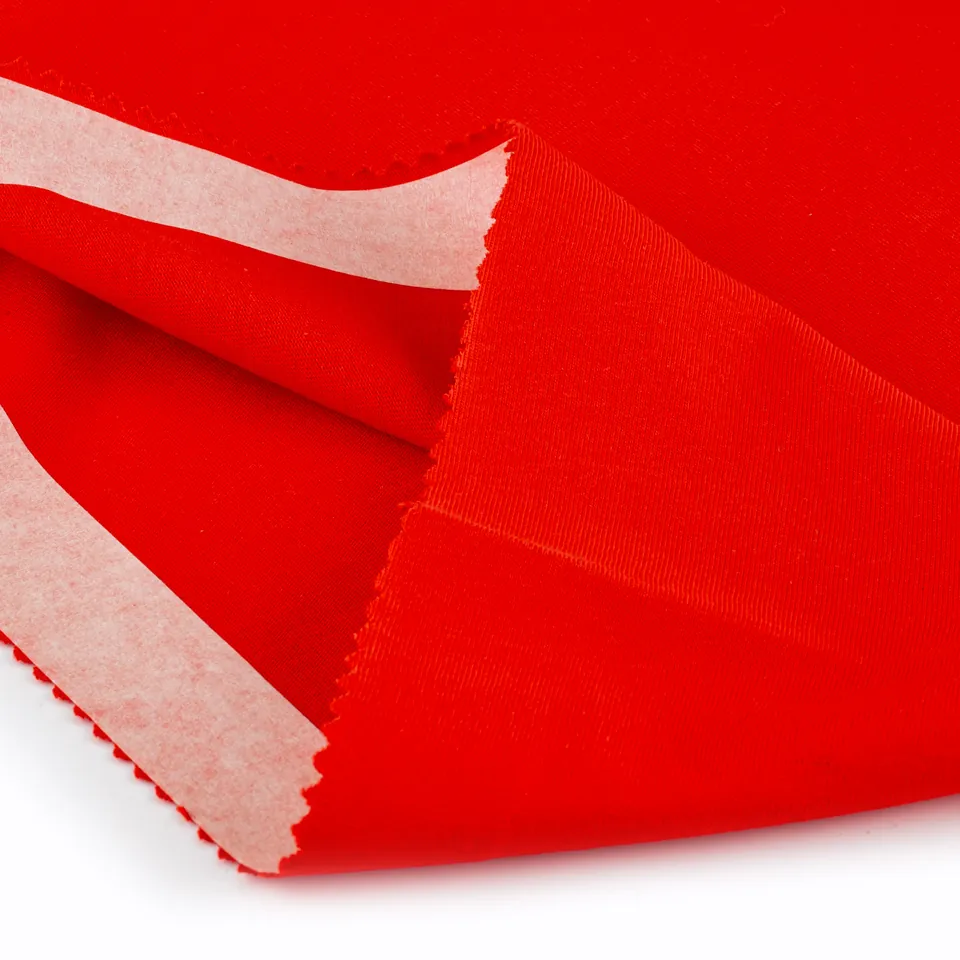
Request SJ-103 and SJ-102 as two sampling routes, not interchangeable approved choices. SJ-103 is 95% viscose and 5% elastane, with 160, 170, 180, 190 and 200 g/m² options; SJ-102 is 95% cotton and 5% elastane at 170, 180, 190, 200 and 210 g/m². Specify which weights you want to compare and ask which finished versions can actually be offered. If the decision is still open, state the question: for example, how each sample supports the desired loose leg after the intended care trial.
Separate body, elastic and pocket responsibilities
Send a component list identifying who sources the body fabric, waist elastic, drawcord and pocketing. If the garment maker supplies the elastic, ask it to confirm width, cut length and attachment in the sample record. Confirm the waistband elastic on its own terms: the elastane percentage in the trouser body is not its specification. Identify whether the supplier is quoting fabric only or another explicitly agreed service; do not assume a fabric offer includes cutting and sewing. Keep a separate line for any coordinating top material so a set price does not hide unmatched component assumptions.
Give quantities that the commercial team can interpret
Break the estimated body quantity down by colour or print, article, weight and unit. State whether the number comes from a marker or an early planning estimate. Include the planned size and leg-length mix, because those affect the garment maker’s consumption assessment. Ask the supplier to confirm minimums, sample charges, price basis and which costs belong to each colour. No minimum order or lead time is established by this guide. A useful enquiry leaves undecided fields visibly open instead of supplying invented precision.
Request the right sample for each open decision
For body selection, ask about available cuttings or sample length at the proposed weight. For an unresolved print, ask what decorated development sample can be provided. For waist and fit decisions, coordinate a sewn trouser with the garment maker. CottonWorks distinguishes fabric approval from fitting the developed material in a garment; this is why a body cutting cannot close a rise or waistband question. State who will review each sample and what decision it should unlock, so repeated sampling has a defined purpose.
CottonWorks: Designing Knit Textiles — Developed sample material must be evaluated in garment fitting as well as at fabric approval. Commercial enquiry fields are original advisory content.
Ask for evidence appropriate to adult sleepwear
List the care, dimensional and colour requirements your technical team has defined and request the available article-specific evidence. The catalogue itself does not establish flammability compliance, an approved care label or suitability for children. If the range later expands to children, revise the brief and obtain destination-specific specialist advice before ordering. Avoid using the word certified without naming the claim and checking the supporting documentation. Keep any safety or labelling decisions attached to the actual product programme, not inferred from cotton, viscose or the presence of elastane.
End with a clear quotation and change-control request
Provide the delivery destination, requested timing and contact responsible for technical decisions. Ask for written confirmation of usable width, supply format, finish, packing, payment basis and delivery terms. Attach the current specification version and distinguish requested dates from dates the supplier has accepted. Before a repeat order, check whether article, colour, weight or component assumptions have changed. An accepted first sample is a reference for the defined programme, not permanent approval for every later quantity or material substitution. Keep the final commercial agreement with the approved sample references.
Technical background and scope
This is a structured editorial draft. Garment-specific development advice is paired with existing catalogue records; compatibility must be established by sampling. AL KUMAŞ supplies fabric. Cutting, sewing and finished-garment production are separate unless explicitly agreed.