




Let the issue programme determine the sample questions
Ask the adult programme owner which fit variants and size range will actually be issued, how the polo is intended to be worn, and what ordinary movements matter. Choose the development samples with the pattern specialist so the review addresses those questions rather than relying on an unspecified medium. This is a fitting and quality plan for an ordinary uniform, not a protective-equipment assessment. Keep any request for specialised safety or regulated performance outside this approval until a competent specification and appropriate evidence are available. A polished polo sample cannot substitute for that work.
Catalogue starting points
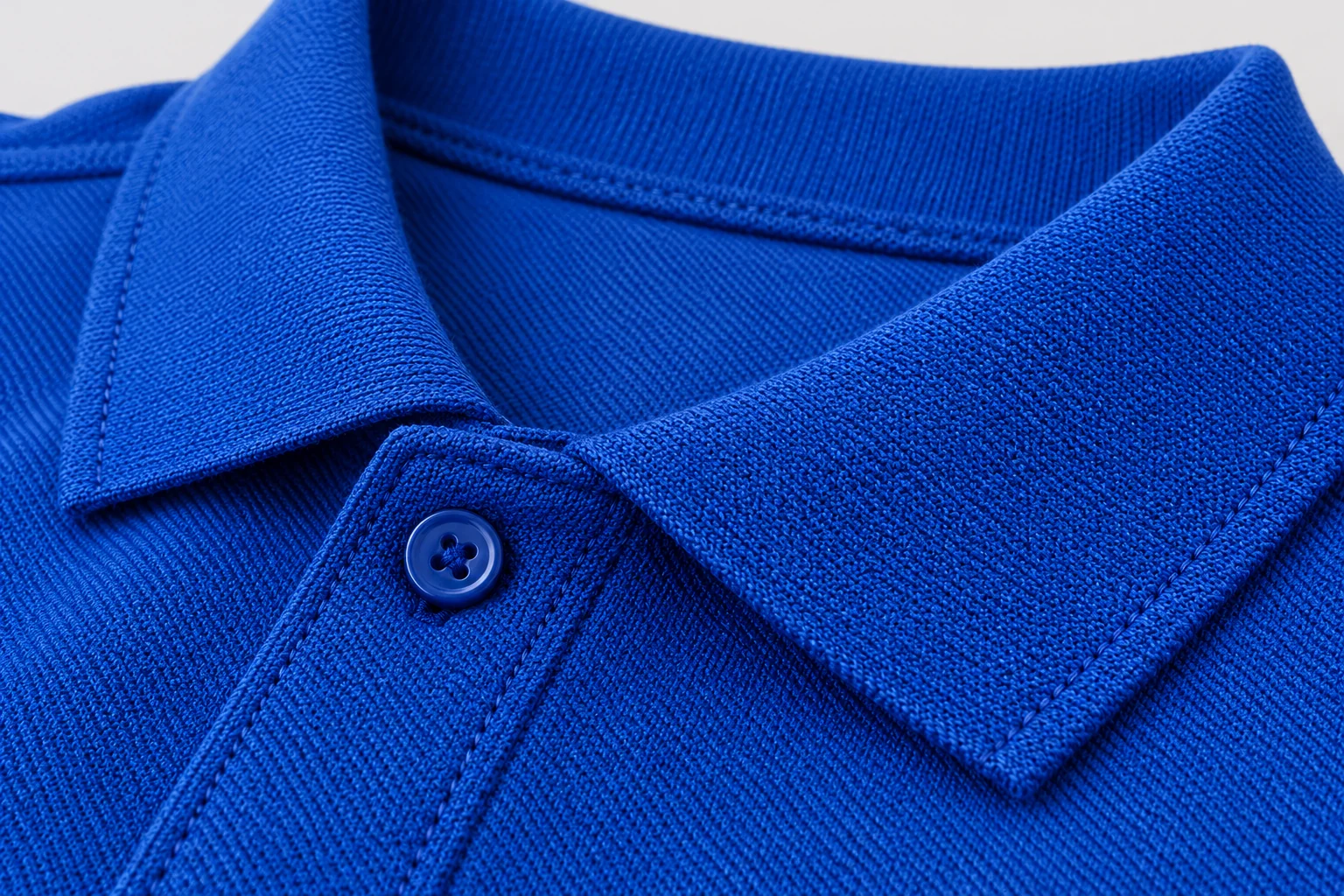
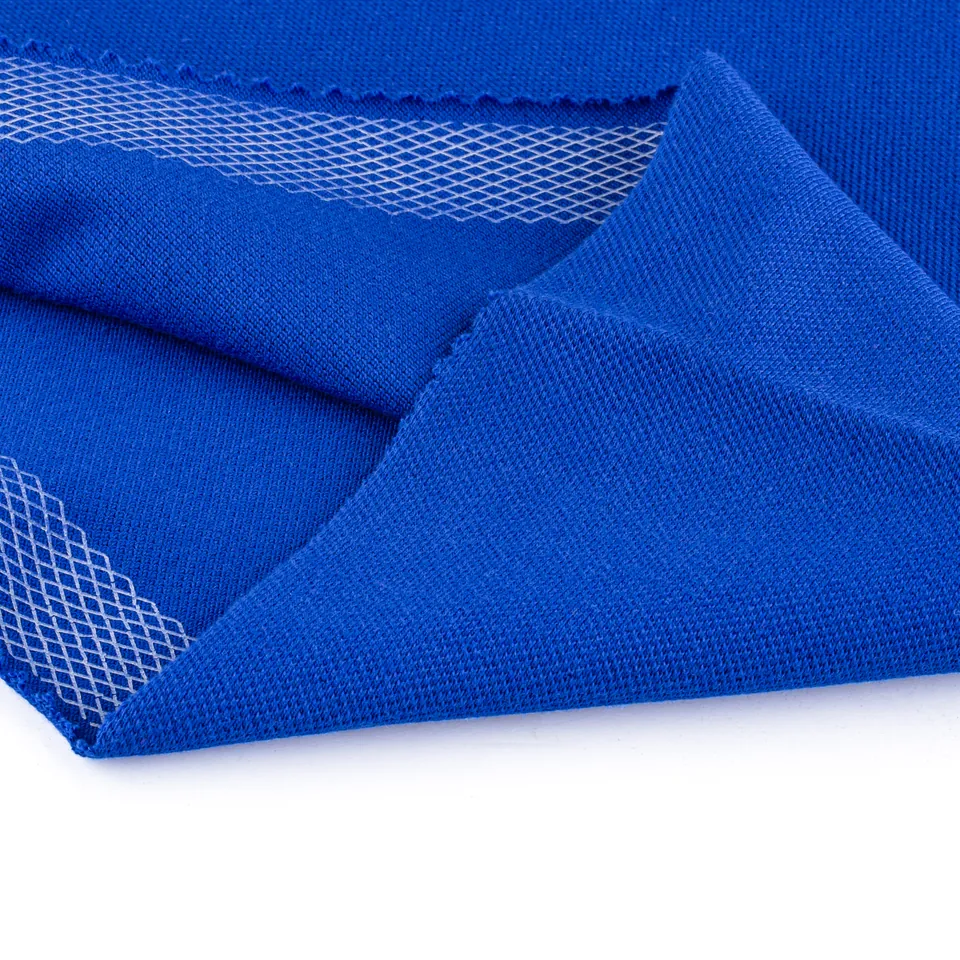
Record the tested material precisely: PQ-501 is 100% combed cotton, listed at 190, 205, 220, 235, 250 g/m² with Enzyme + silicone finishing; IN-201 is 100% combed cotton, listed at 190, 205, 220, 235, 250 g/m² with Enzyme + compacted finishing. Select the actual offered weight and identify its sample rather than treating the full list as tested. Add the collar, opening components and decoration references to the sample record. Their behaviour is not established by either cotton composition or the finish wording in the catalogue.
Check fit consistency without expecting every size to look identical
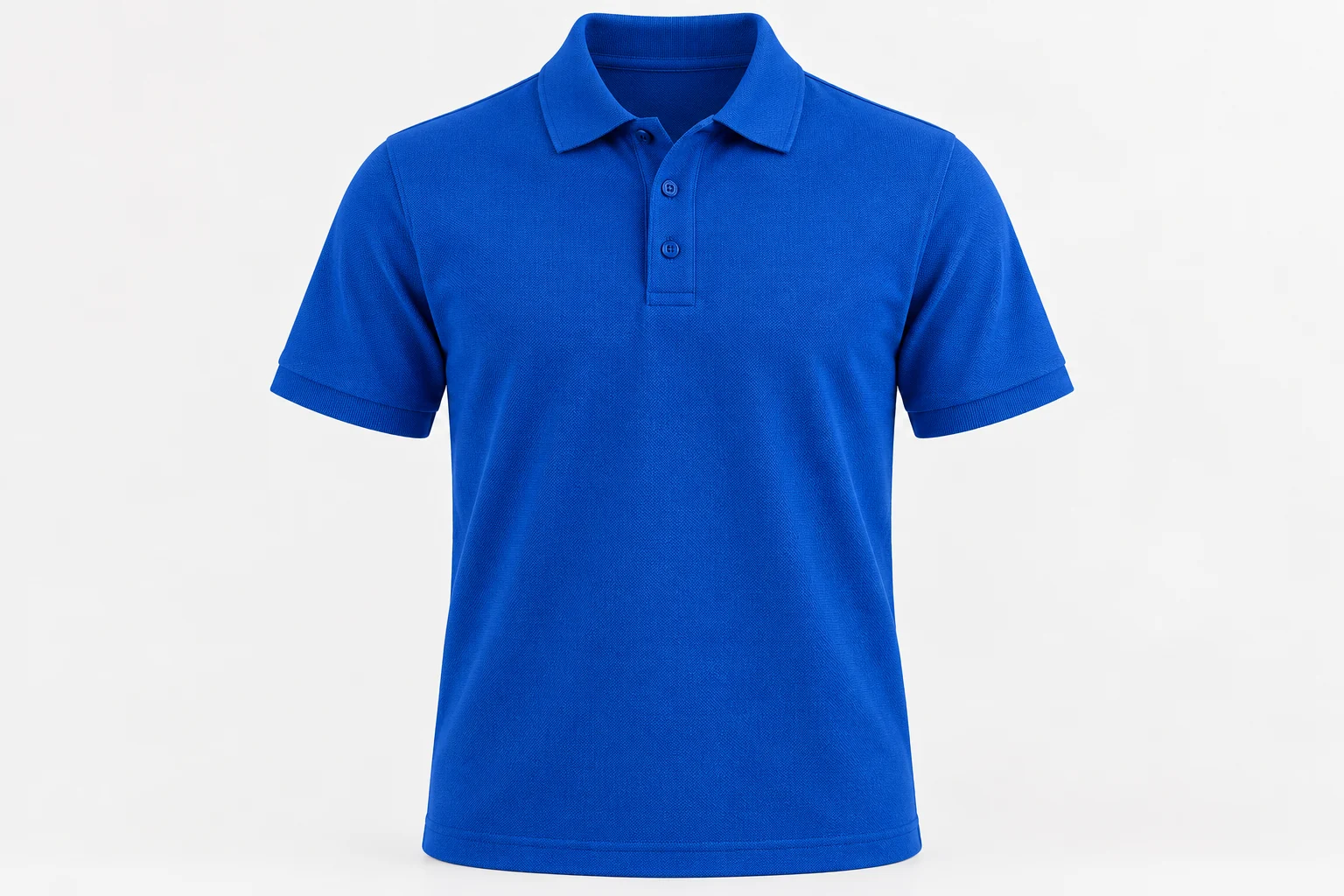
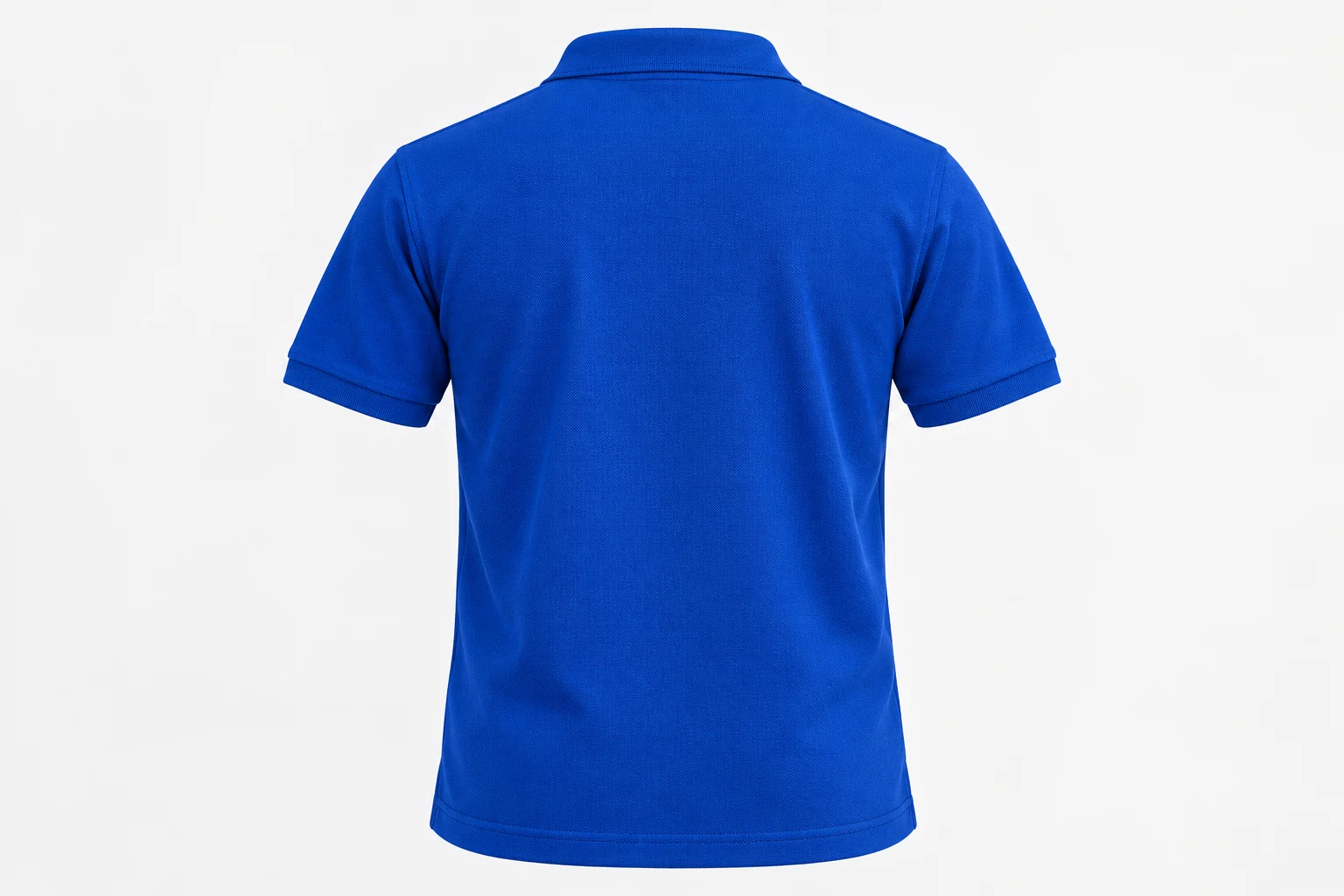
Review the selected adult sizes against the approved design intention, including shoulder position, opening depth, sleeve placement and the chosen tucked or untucked hem. Ask the pattern owner to explain any intentional grading differences. Observe the movements relevant to the programme without interpreting one wearer’s preference as a universal fit result. If a larger size shows a different relationship between logo and armhole, separate that placement issue from body fit. A useful sample report identifies the affected size and location instead of rejecting or accepting an entire range from a single photograph.
Evaluate the actual care proposal with the complete garment
Obtain the intended cleaning and drying plan before commissioning the relevant evaluation. CottonWorks identifies dimensional stability, colour and the appearance of collars and plackets as care-quality considerations. Have the qualified specialist choose the applicable methods and acceptance criteria for this programme; the article does not prescribe a universal cycle count or temperature. Include actual decoration and collar components where the question concerns the assembled garment. Keep care instructions provisional until supported by the required review, and never infer industrial-wash suitability or a service-life claim from the uniform label.
Quality Testing — CottonWorks — Care appearance, collar/placket appearance and dimensional-stability considerations; methods and criteria must be specified for the actual programme.
Separate measurement changes from appearance judgements
Record the agreed garment dimensions and visual views before the defined care exposure, then repeat them on the identified samples afterwards. Ask the reviewer to distinguish a measured body change from a collar appearance problem or a decoration concern. These may require different responses even when they occur on the same garment. Use the programme’s agreed criteria rather than inventing a percentage tolerance here. CottonWorks explains that dimensional instability can affect fit and appearance; it does not provide a result for the offered fabrics or validate a homemade test as an accredited laboratory procedure.
Quality Testing — CottonWorks — Care appearance, collar/placket appearance and dimensional-stability considerations; methods and criteria must be specified for the actual programme.
Challenge a repeat issue against the retained configuration
When a later sample arrives, check what actually matches the retained reference: body material, offered weight, pattern, collar, decoration and proposed care information. A changed component should be visible in the comparison instead of being hidden beneath the same uniform name. Decide with the responsible specialist which existing evidence remains relevant and which questions need reassessment. A re-order is not automatically defective because a batch reference differs, nor automatically equivalent because the fabric code stays the same. The buyer needs documented differences and a reasoned response to their significance.
Close each issue with an accountable result
Write the outcome by size and question: accepted for the defined proposal, correction requested, or awaiting specified evidence. Link photographs and measurements to actual sample identities, keeping undecorated development pieces separate from the completed uniform. Give the authorised reviewer the unresolved decisions before the team issue is committed. This allows the programme owner to understand what was assessed without reading an ambiguous overall pass. It also preserves the limits of the review: untested sizes, changed care, substituted components and protective claims cannot inherit approval merely because one adult polo was satisfactory.
Technical background and scope
This is a structured editorial draft. Garment-specific development advice is paired with existing catalogue records; compatibility must be established by sampling. AL KUMAŞ supplies fabric. Cutting, sewing and finished-garment production are separate unless explicitly agreed.