

Solutions
Commission fabric dyeing and finishing
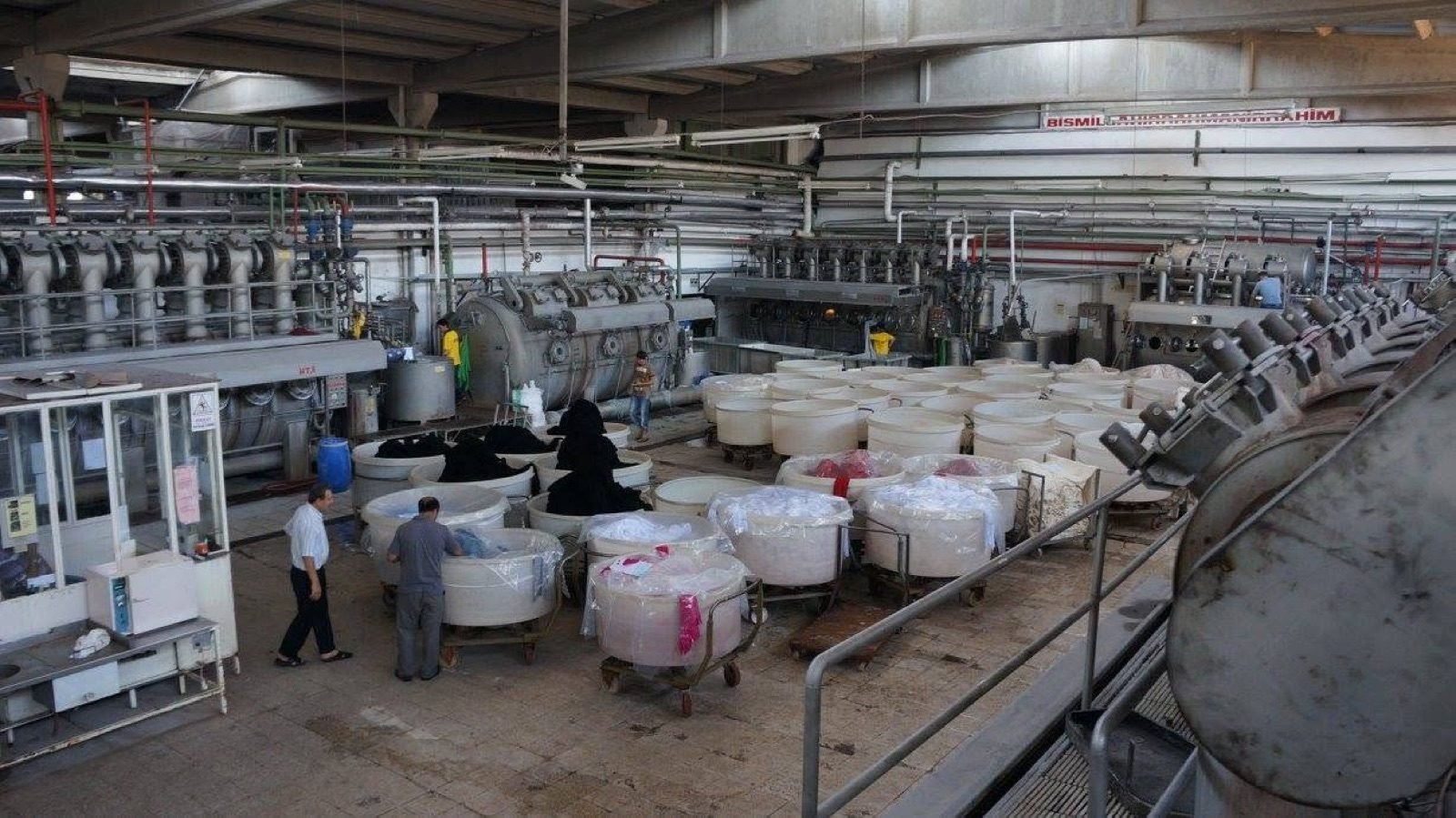
For companies that knit their own greige, we take on dyeing, finishing and functional treatment. The colour target is set from a Pantone Textile code, a physical swatch or the customer's own standard.
Colour development and lab dips
The recipe is built for the fibre in front of it. Evaluation light source, acceptable instrumental tolerance and the role of visual assessment are agreed at the start; the approved lab dip then governs the bulk.
A dye route matched to the fibre
Cotton takes reactive, polyester takes disperse, and pigment or washed effects need different routes again. Without even preparation there is no consistent ground for the dye, and shade repeatability suffers first.
Finishing and measurable performance
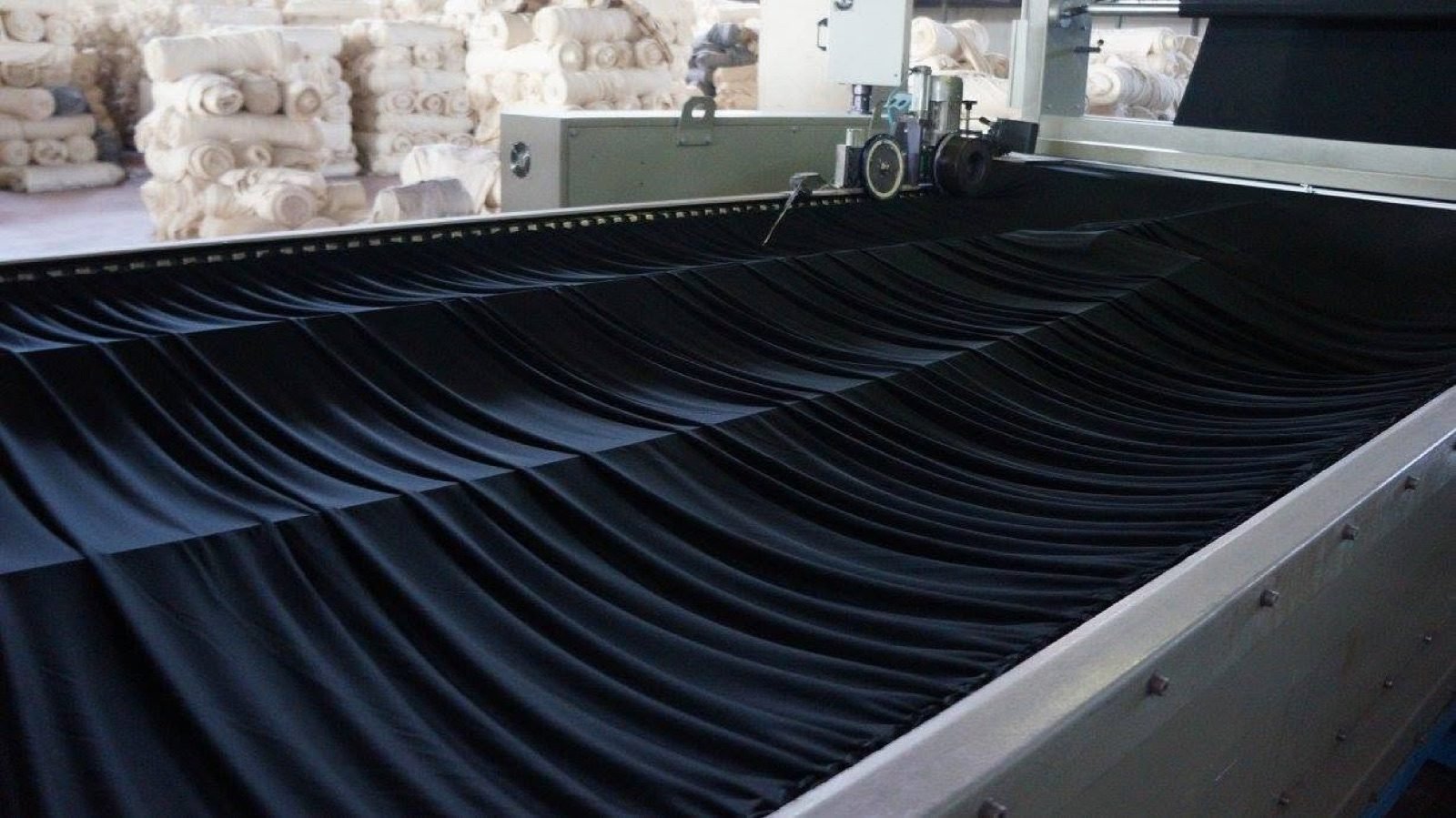
Compacting, stentering and functional finishes reconcile the target hand feel with width, weight and shrinkage. Results are reported with the test method and tolerance attached, not as bare numbers.
Single jersey
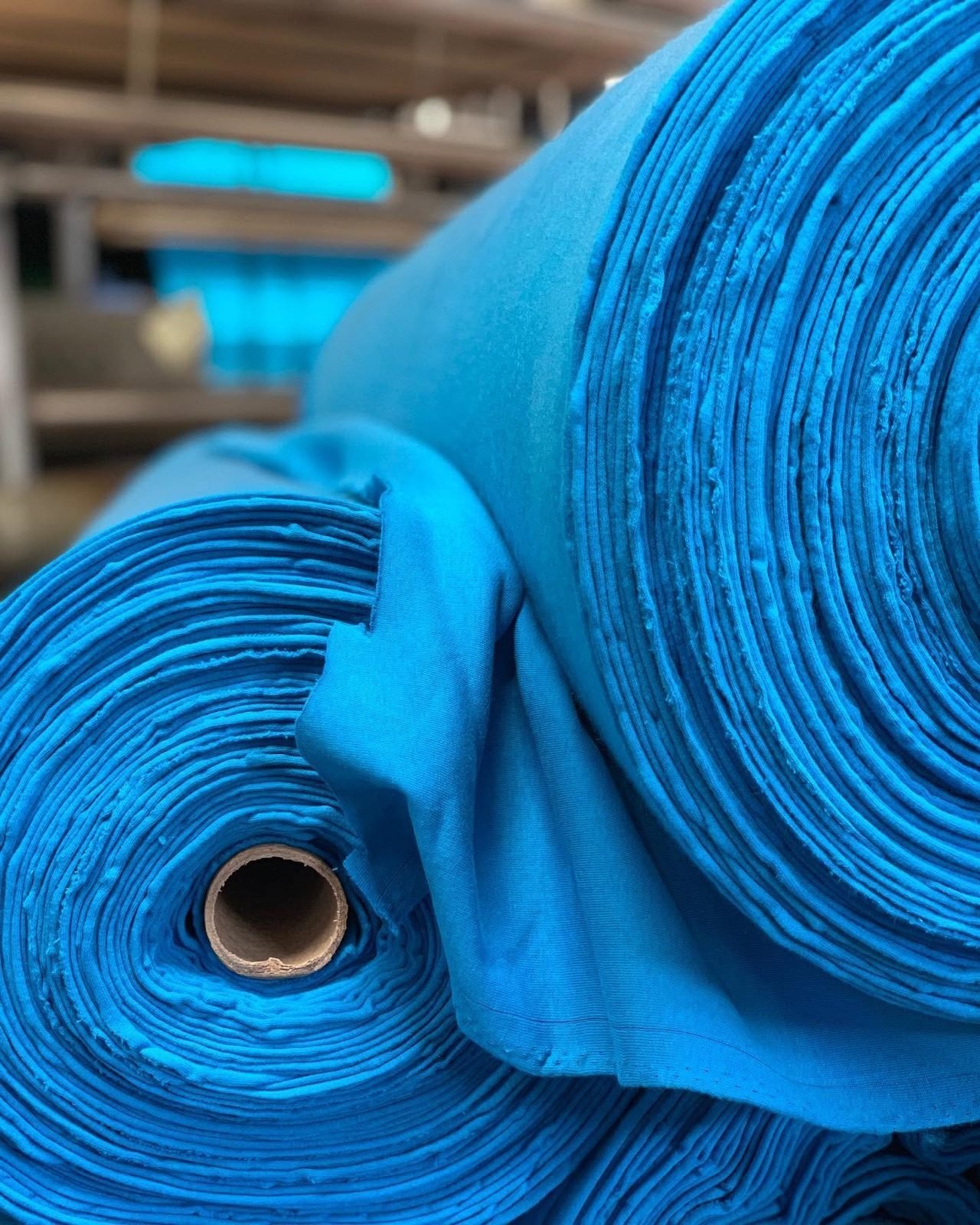
Single jersey is a single-bed circular knit with a smooth face and a light, fluid drape.
Interlock
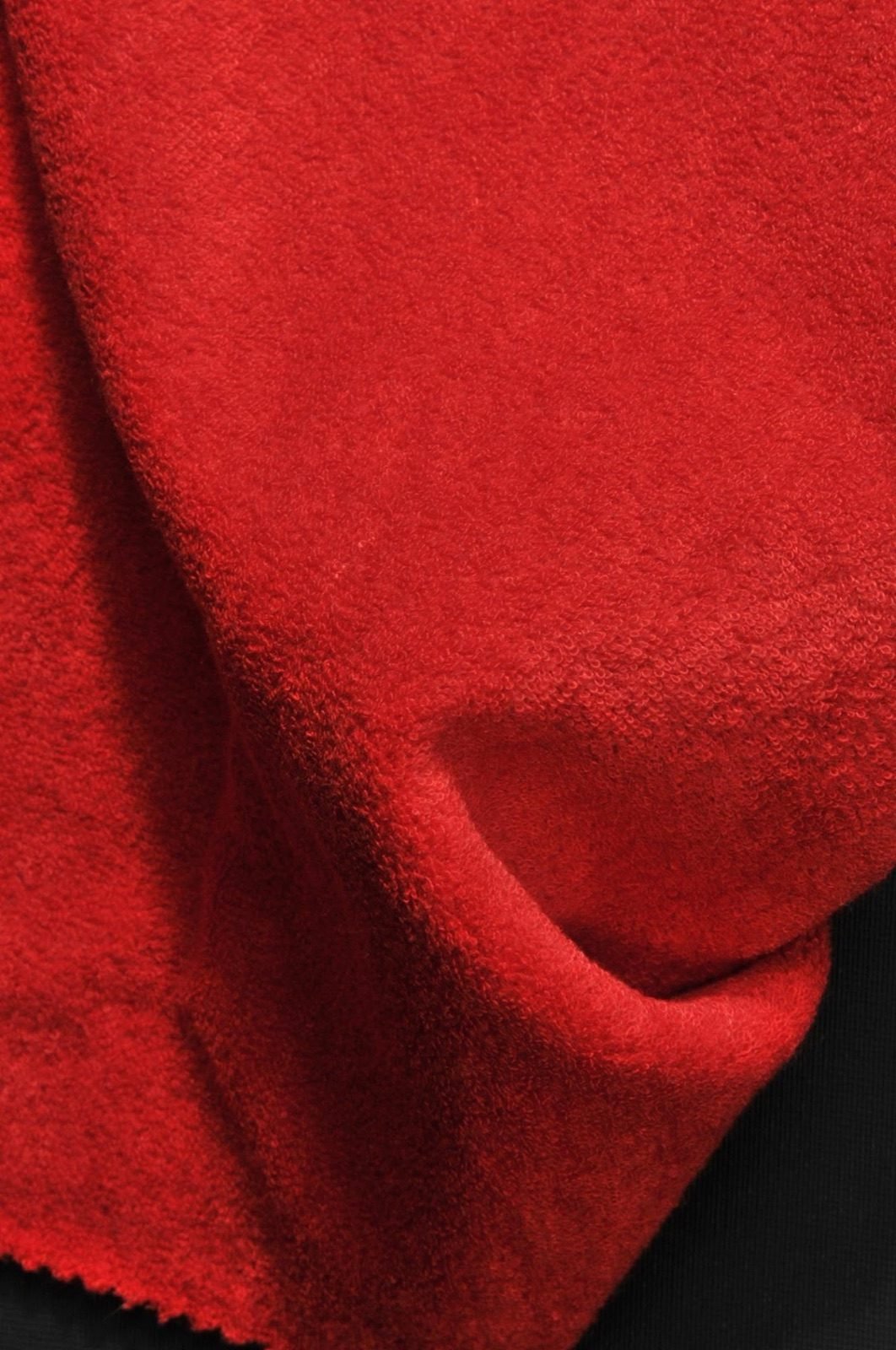
Interlock is a double-knit structure in which both needle beds work together: face and reverse look alike, the edges do not curl, and opacity is higher than single jersey.
Rib
Rib alternates face and reverse wales in columns, giving an elastic structure.
Frequently asked questions
Can I send my own greige fabric?
Yes. Sent with composition, construction, weight and the target shade, its suitability for the intended route is assessed.
Is the on-screen colour a production standard?
No. On-screen values are approximations. The bulk shade is governed by the physical Pantone Textile standard, spectrophotometer measurement and an approved lab dip.
Which fastness tests can be run?
The test plan follows the end use. Wash, dry and wet crocking, perspiration and light fastness, plus dimensional change, are the usual checks.