



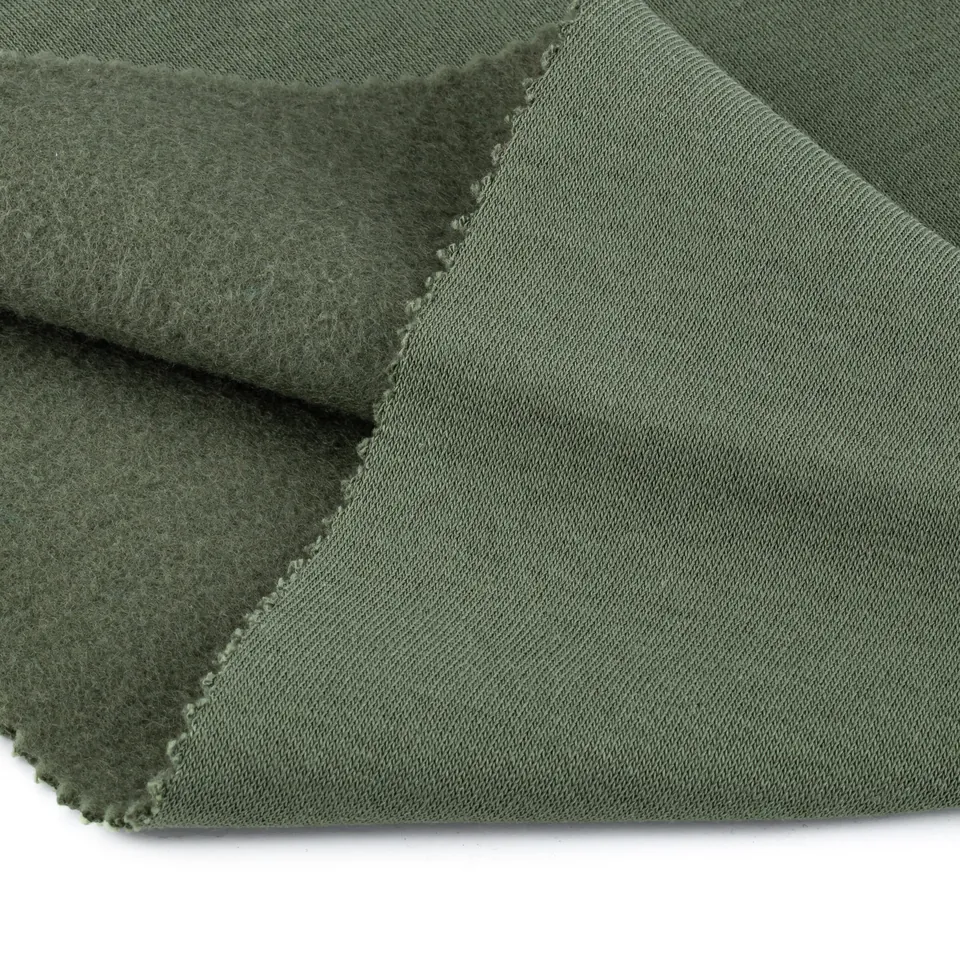
Ask for a cutting-room surface-direction release
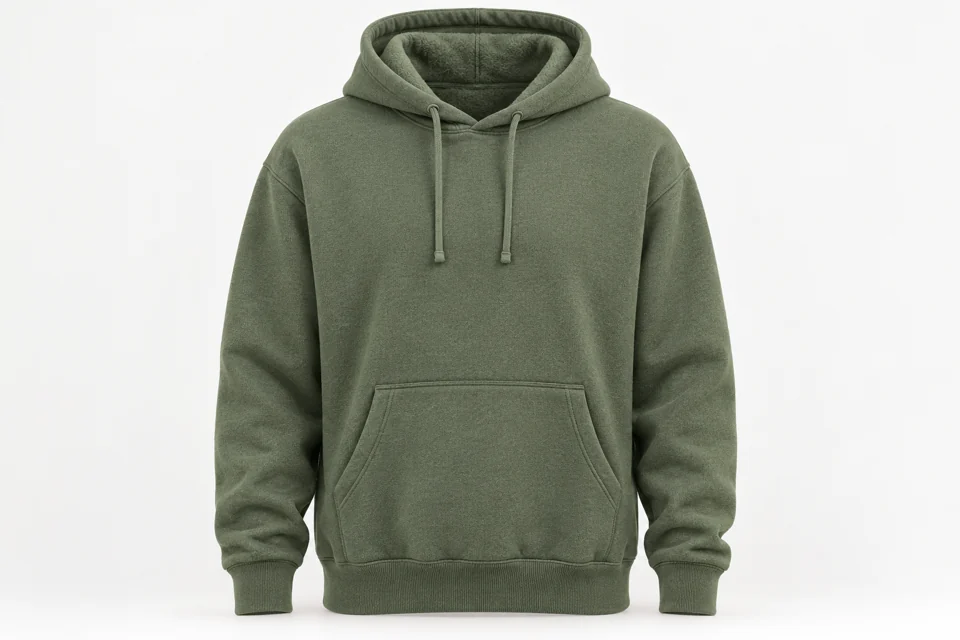
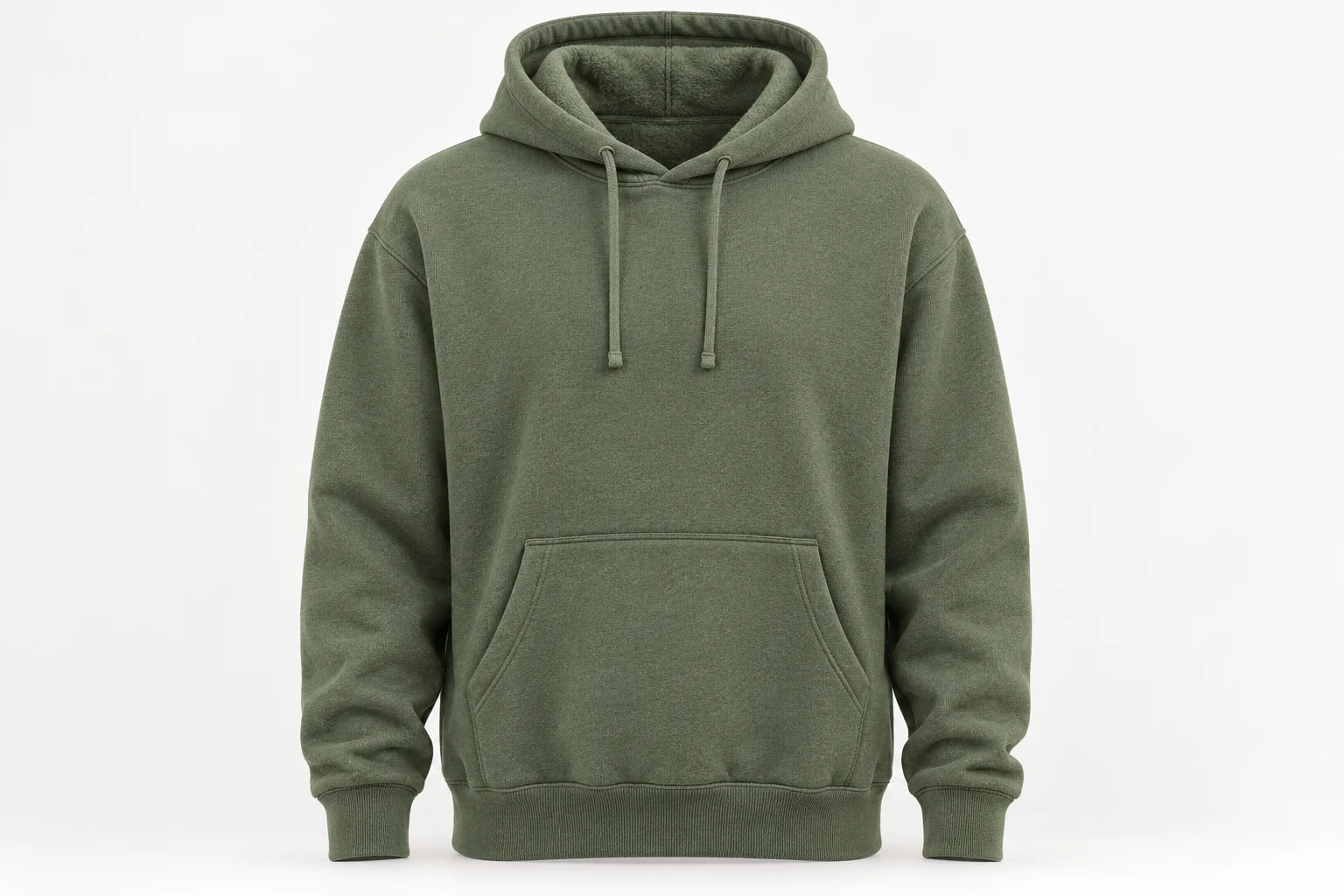
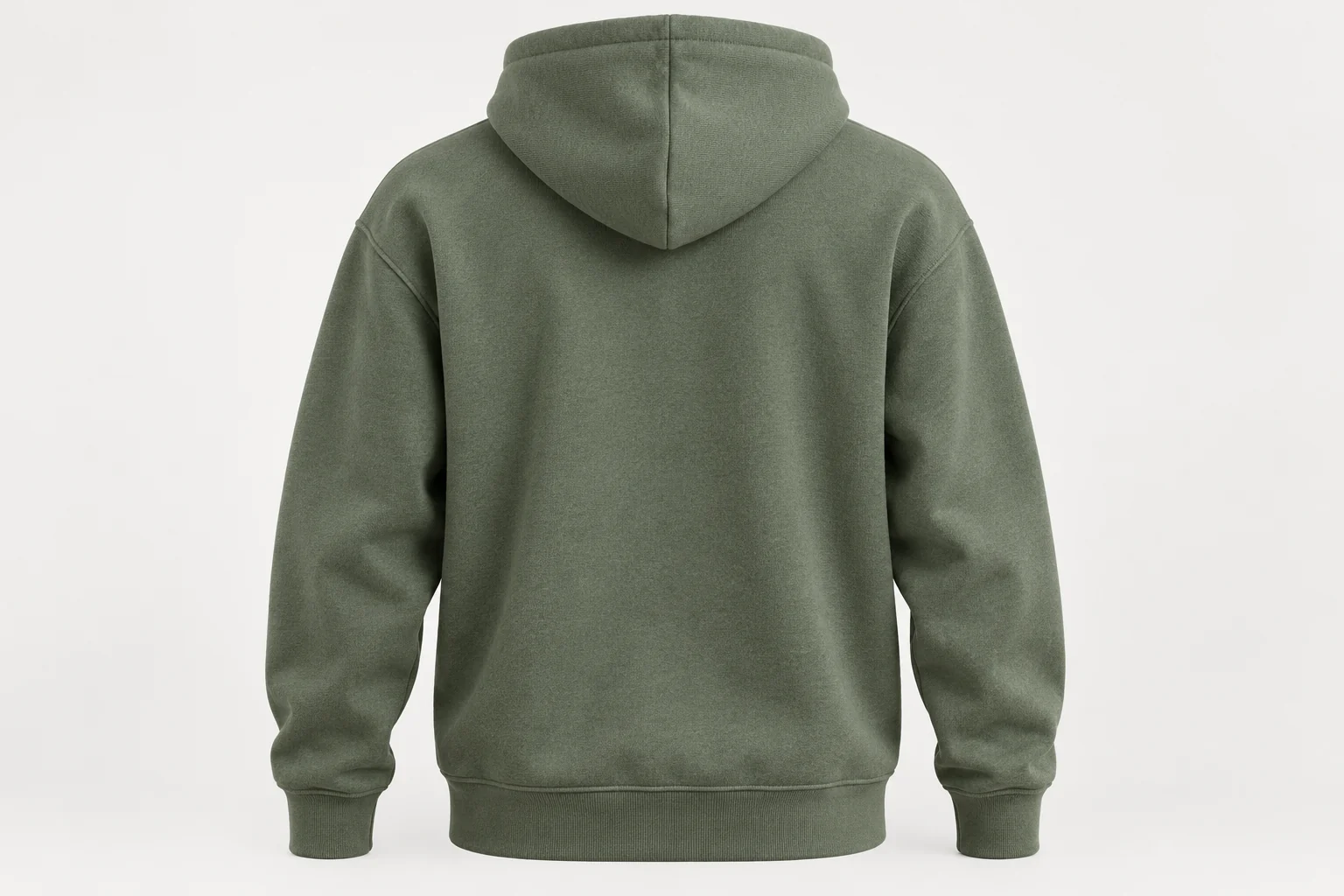
For a fleece hoodie programme, produce a surface-direction release that the marker planner and cutting room can actually apply. Its purpose is to resolve whether the accepted material presentation permits particular piece rotations and how that decision reaches the cutting layout. This is not a universal rule that brushed fabrics must always be cut one way. Start with a representative offered cutting, visibly identify its face, reverse and length direction, and keep that identification connected to the actual article and colour. An unlabelled soft swatch cannot authorise a production layout.
Put the offered fleece record on the release
FT-603 records three-thread brushed fleece, sixty-five percent cotton and thirty-five percent polyester, brushed anti-pilling finishing, at 320, 345, 370, 395 and 420 grams per square metre. FT-602 records three-thread unbrushed compacted fleece, seventy percent cotton and thirty percent polyester, at 300, 325, 350, 375 and 400 grams per square metre. Neither record designates stretch. Ask the supplier to identify the actual offered weight and sample reference. Different blends and nonidentical weight options prevent a finish-only comparison; anti-pilling remains a catalogue designation rather than a supplied test result.
Resolve observed directional presentation before spreading
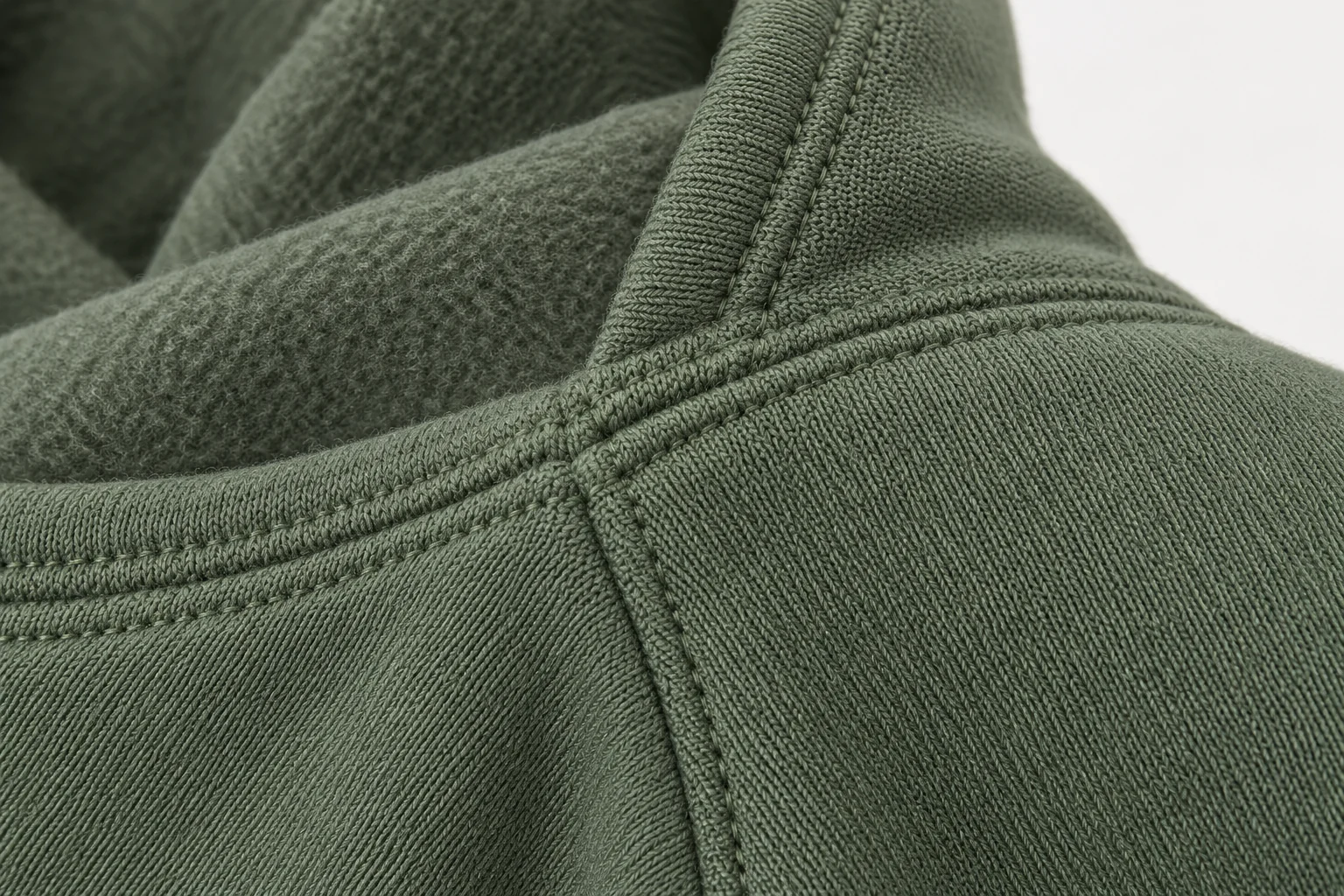
With the maker, compare identified cuttings in the orientations the planned layout might use, including the reverse visible inside the hood. CottonWorks describes napping as raising surface fibres; that explains why an actual surface review is relevant, without establishing a specific directional restriction for this article. Record which rotations were examined and what the buyer actually accepted. If a difference remains undecided, mark those layout choices as awaiting review. Do not let a cutting operator infer approval from a generic fleece name or from a photograph with no material orientation recorded.
CottonWorks: Mechanical Finishing — Supports the surface-raising explanation for napping only; any direction restriction must arise from actual material review rather than this source.
Translate the accepted observation into piece instructions
Have the pattern team identify which pieces expose the accepted face or reverse in the finished garment. The inner hood may present a surface that the outer body conceals, so a blanket note saying face outward can be ambiguous. Place the agreed direction and material-side instruction on the affected pattern information, using the maker standard for arrows and labels. Where no directional requirement was established, record that specific decision rather than copying an unnecessary restriction. The release should let the cutting team distinguish an approved rotation from an accidental reversal of material sides.
Request the actual restricted or unrestricted layout result
CottonWorks describes marker planning with actual pattern pieces for material utilisation. Ask the planner to use the confirmed usable width, size mix and approved surface instructions, then return the resulting marker identity and consumption. As a hypothetical decision example, two proposed layouts might differ only in whether inner hood pieces are rotated; the buyer must resolve the surface question before choosing the lower demand. No efficiency saving is assumed. If the acceptable layout consumes more material, present the actual revised requirement for commercial review rather than hiding the difference in a generic waste percentage.
CottonWorks: Garment Construction — Supports actual pattern-based marker planning; does not establish that a directional layout is necessary or that rotation produces a saving.
Define a hold when material identity or orientation changes
The release should specify who may resolve a discrepancy discovered before cutting. An offered replacement lot, an unidentified reverse or a marker without the accepted direction information requires the responsible team to check the relevant evidence. This is a targeted hold on the affected material or layout, not an instruction to discard stock or restart unrelated work. Ask purchasing to confirm the commercial consequence only after the planner identifies the actual demand. Preserve the received material reference and acceptance decision so a later buyer can understand why a particular rotation was permitted or withheld.
Hand over a usable cutting decision without implying durability
The completed output is the identified material reference, accepted orientation observations, affected pattern instructions, actual marker version and person responsible for resolving exceptions. Ask the maker to acknowledge that these inputs correspond to the intended hoodie, including its inner hood. Keep quotation units and confirmed supply terms linked to that demand. This release does not certify pilling resistance, warmth, care durability or surface consistency across unexamined deliveries. Those matters need their own appropriate evidence. Its narrower value is preventing an accepted fleece appearance from being lost between sample review and production cutting.
Technical background and scope
This is a structured editorial draft. Garment-specific development advice is paired with existing catalogue records; compatibility must be established by sampling. AL KUMAŞ supplies fabric. Cutting, sewing and finished-garment production are separate unless explicitly agreed.