



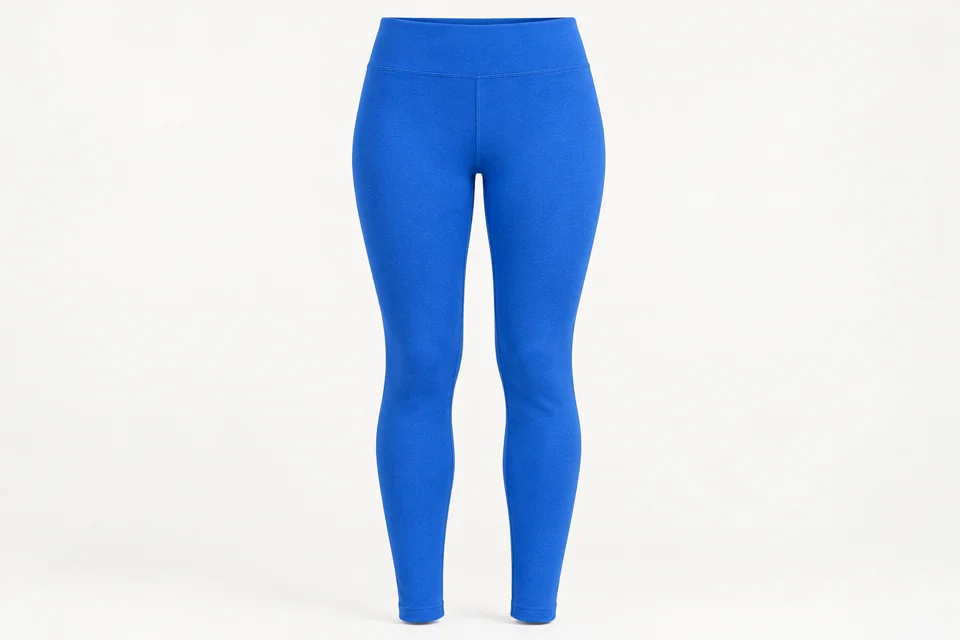
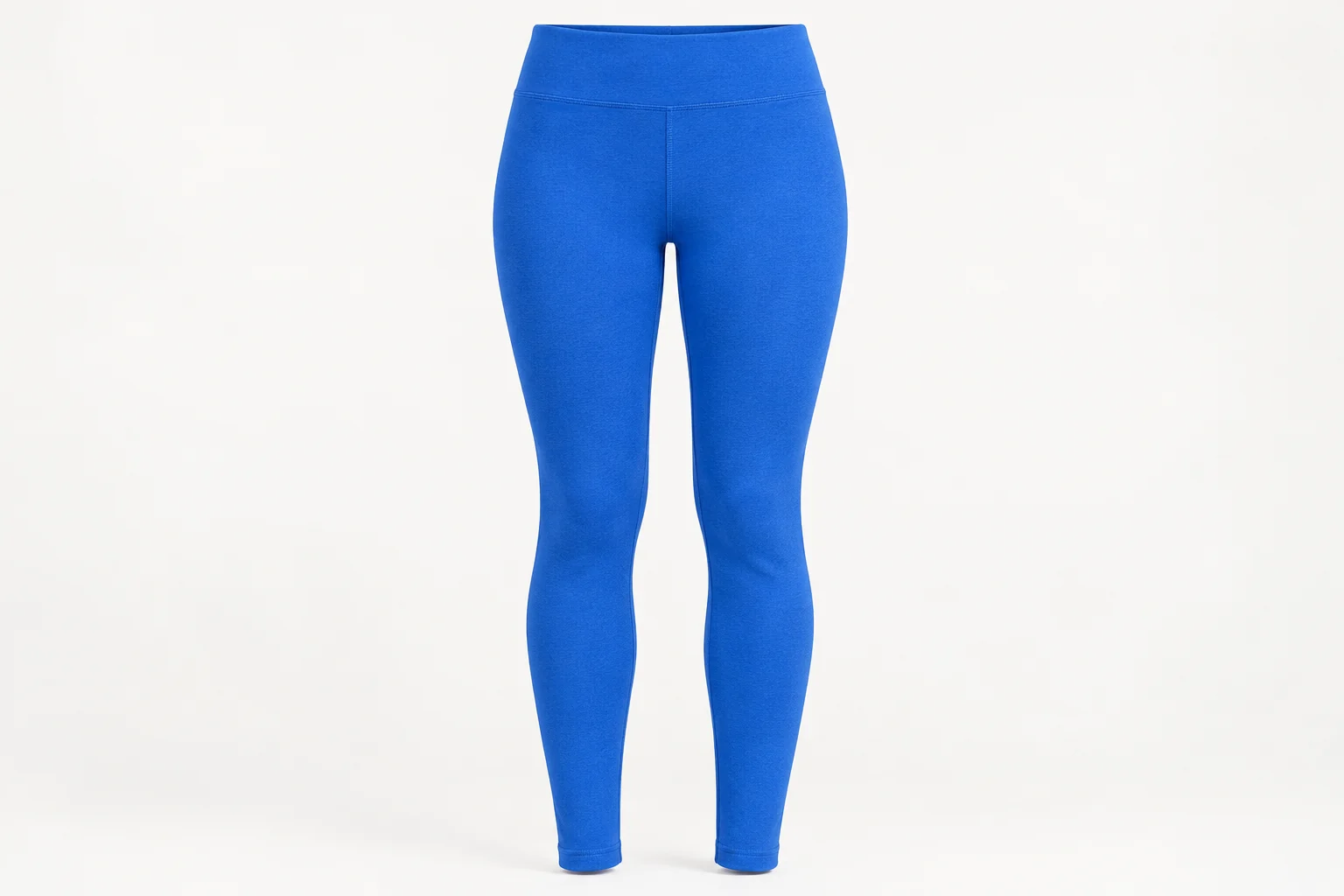
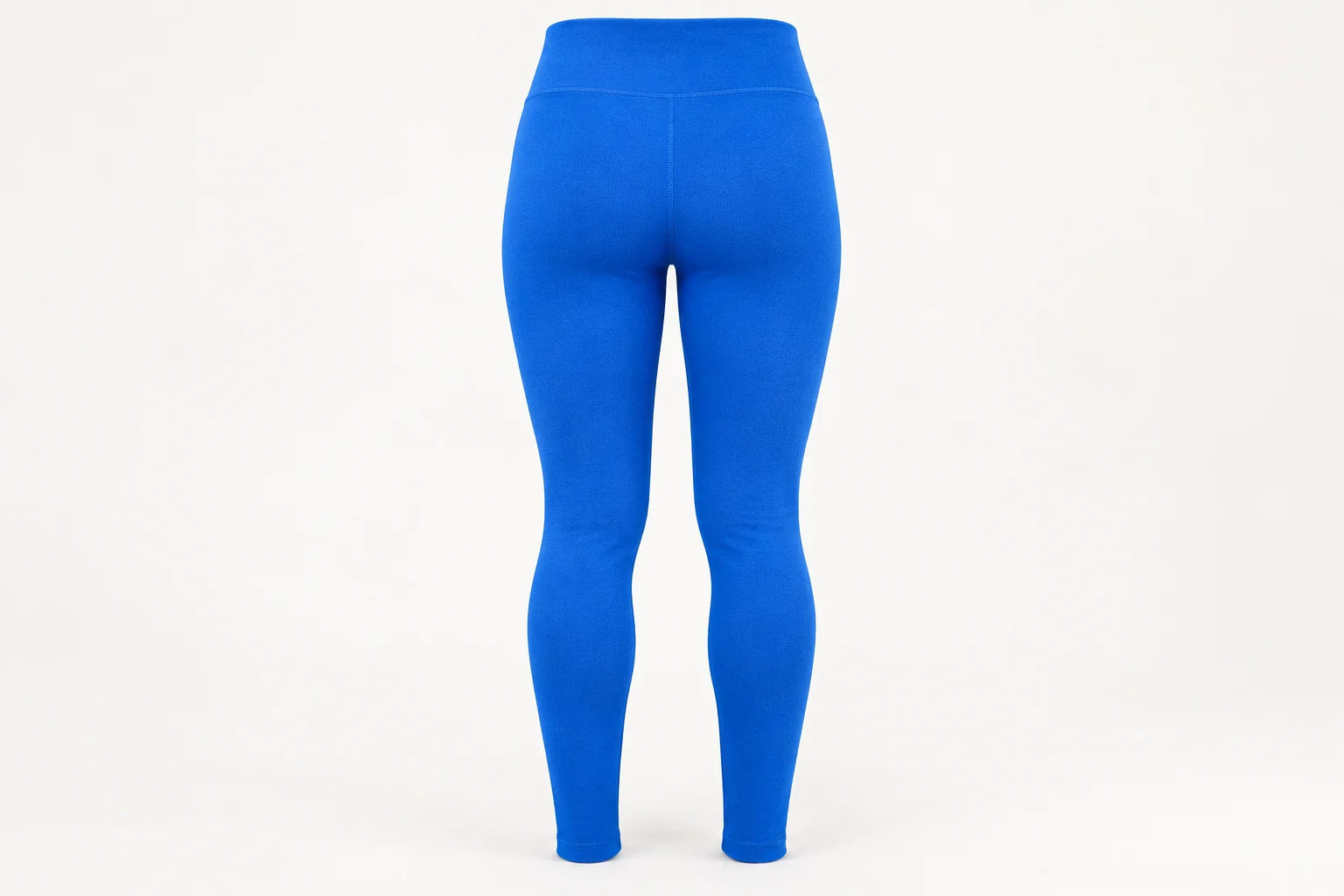
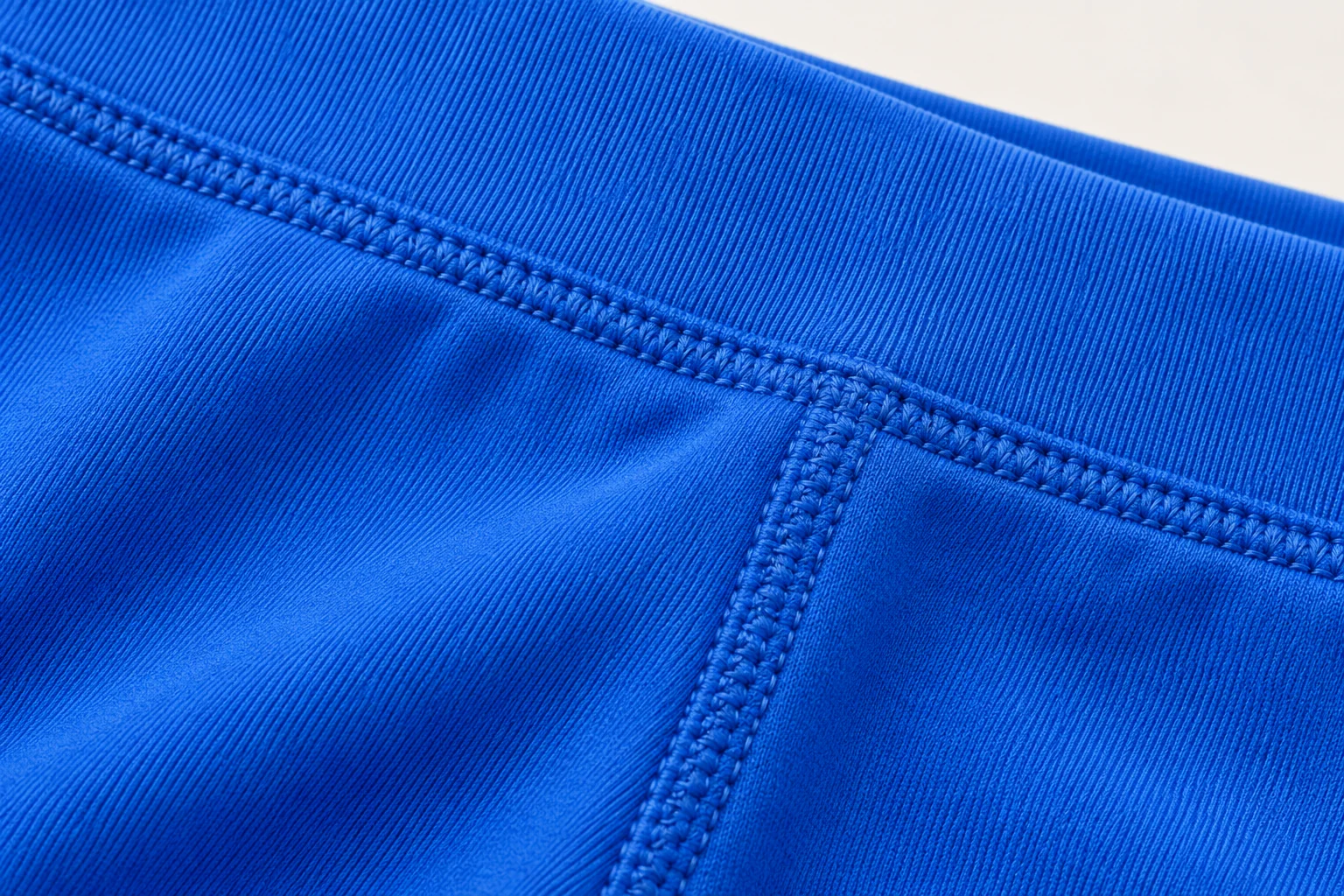
Define the leisure-wear observation and the resting comparison
Agree the seated and reclining positions relevant to the programme, the observation interval and the arrangement used afterwards to inspect the garment. Record these choices as a development plan, not a standard test or universal duration recommendation. Identify the actual lower-garment sample, intended outer top and underlayer. The question is how this close-fitting lounge assembly behaves during and after that defined use, not whether it reproduces a sports fitting. Keep a reference of the unworn sample and the accepted pattern so later changes can be compared with a known starting point.
Control the material and pattern tension together
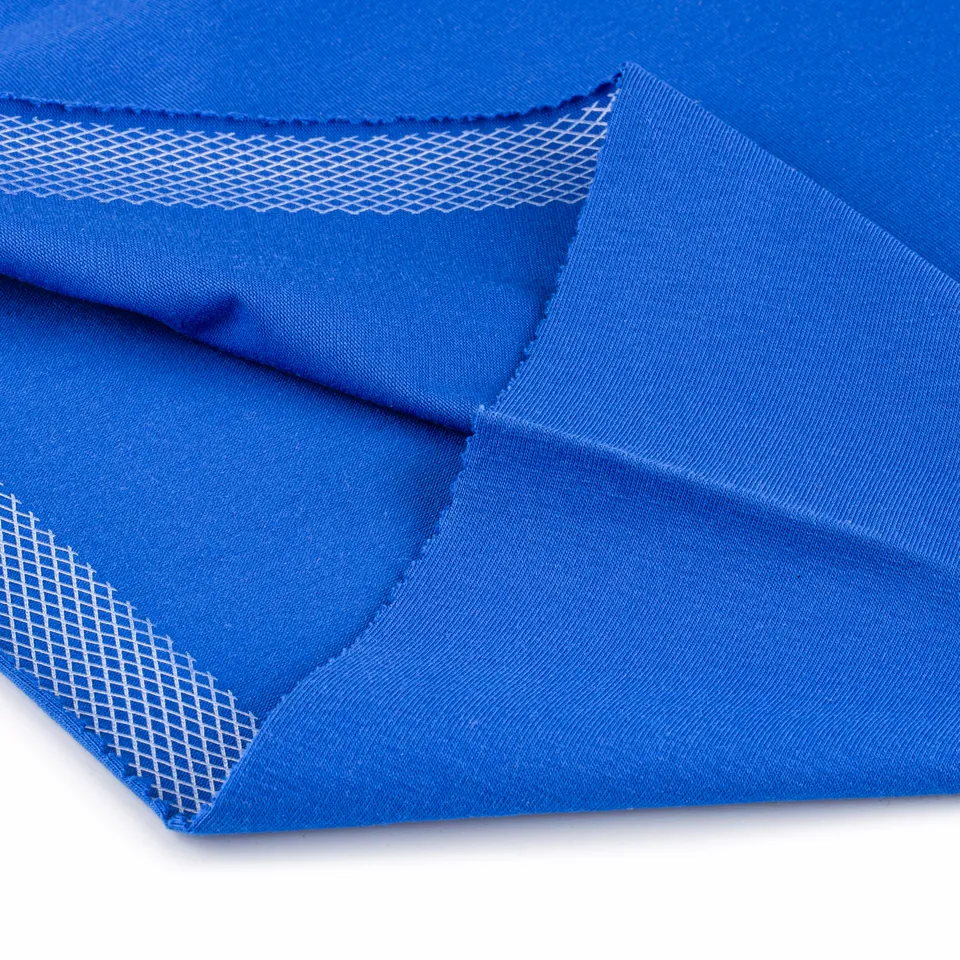
SJ-102 is 95% cotton and 5% elastane single jersey, enzyme and compacted, with 170, 180, 190, 200 and 210 g/m² options. IN-202 is 92% cotton and 8% elastane interlock, compacted and silicone finished, at 220, 235, 250, 265 and 280 g/m². Record the precise offered sample, colour, orientation and relaxed garment dimensions. Neither the larger elastane percentage nor heavier weight demonstrates coverage, recovery or comfort. A changed waist component or sample-room cutting must be identified before the outcome is attributed to the original body proposal.
Observe seat coverage before the garment is readjusted
Use consistent viewing conditions and the intended underlayer while assessing the actual seated and reclining fit. Record where the material is extended, where seams pull and which areas are deliberately covered by another garment. Do not let an outer top hide a requirement the leggings are expected to meet themselves. If appearance is unacceptable, ask the developer to consider pattern tension, seat and rise distribution, material and colour together. A visual sample observation identifies a question; it does not establish a universal opacity rating or replace a qualified assessment where one is required.
Follow waist and seam comments through sustained contact
Ask the wearer to describe any rolling, movement, pressure or seam location noticed during the agreed observation, without making medical interpretations. Record the actual band, rise and seam construction. A waist that stays in position after tightening may create another issue for the leisure brief, so review the entire corrected assembly rather than an isolated standing view. If a seam is noticed while reclining, identify its allowance and placement with the sewing specialist. The appropriate response may concern construction, and should not automatically be a request for another fibre blend.
Inspect the seat and knee after standing and after rest
Take the agreed observations at identified points after the wear sequence, then use the stated resting arrangement for another comparison. Keep timing and material preparation consistent between samples. Note residual shape or surface changes only where seen, and ask the developer which correction or further evidence they suggest. Do not label an informal return-to-shape observation as a laboratory recovery percentage. If quantified extension or recovery is part of the programme, a competent specialist should select the method and requirements for the actual material rather than infer a result from elastane content.
Repeat the useful observations after a defined care trial
Agree the care procedure, preparation and measurement landmarks before comparing outcomes. Track waist, rise, seat and relevant leg dimensions, then revisit the leisure-wear arrangement where appropriate. AATCC distinguishes garment dimensional changes from appearance after home laundering; the testing provider should confirm current applicable methods and requirements. Keep shape photographs with the numbers. A favourable total leg length cannot close a changed seat or waist relationship, and a preferred uncared sample should not be assumed to retain the same hand or appearance without the programme's relevant evidence.
AATCC: Standard Test Methods and Procedures — Garment Care — Public index separately identifies garment dimensional changes and appearance after home laundering. The lounge-wear/resting observations are original development guidance, not an AATCC protocol or measured recovery result.
Accept the demonstrated lounge scope and identify the remaining hold
Record accepted observations, requested revisions and missing information against the material, offered weight, finish, pattern tension, waist, seams and actual layers. State which sizes, positions and care conditions were reviewed. Identify the observations or assessments to repeat after a changed material or component. Keep laboratory reports attached to their scope rather than to the broad style name. The release should let the maker reproduce an identifiable close leisure garment and let the buyer see what remains unresolved, without implying training performance, medical benefit or universal comfort and opacity.
Technical background and scope
This is a structured editorial draft. Garment-specific development advice is paired with existing catalogue records; compatibility must be established by sampling. AL KUMAŞ supplies fabric. Cutting, sewing and finished-garment production are separate unless explicitly agreed.