



Ask for a fit-evidence sample after lounging, not a sports specification
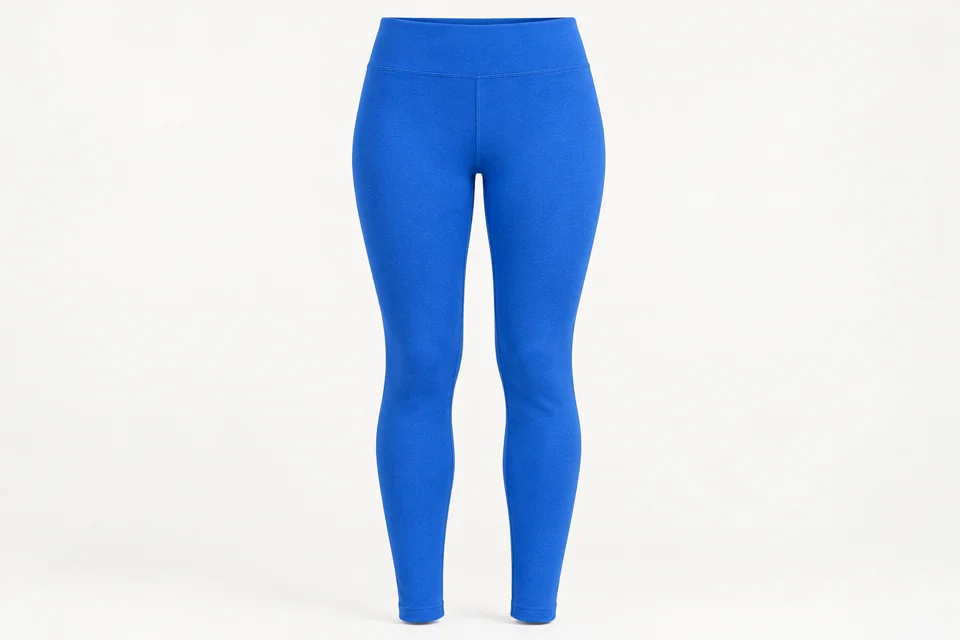
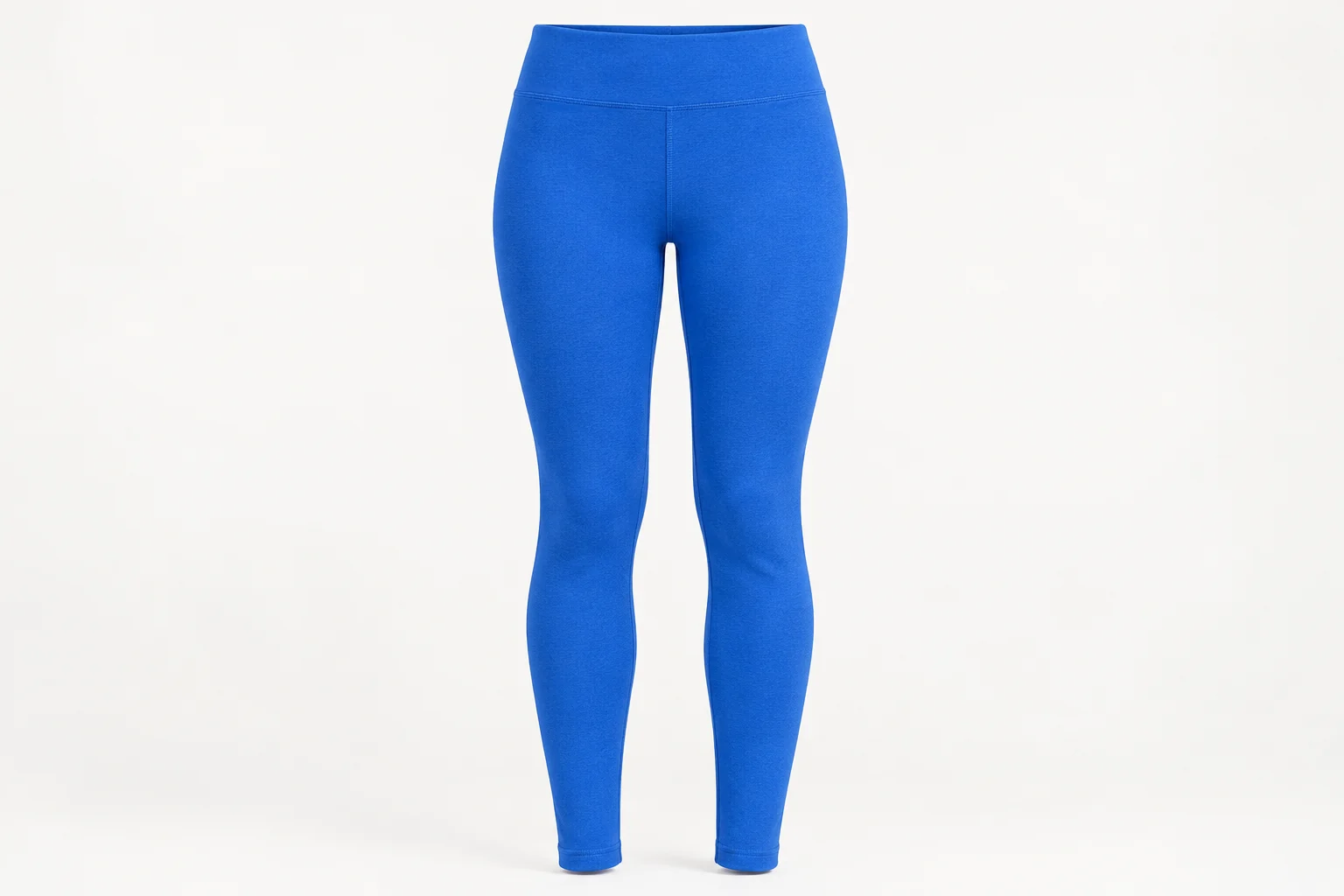
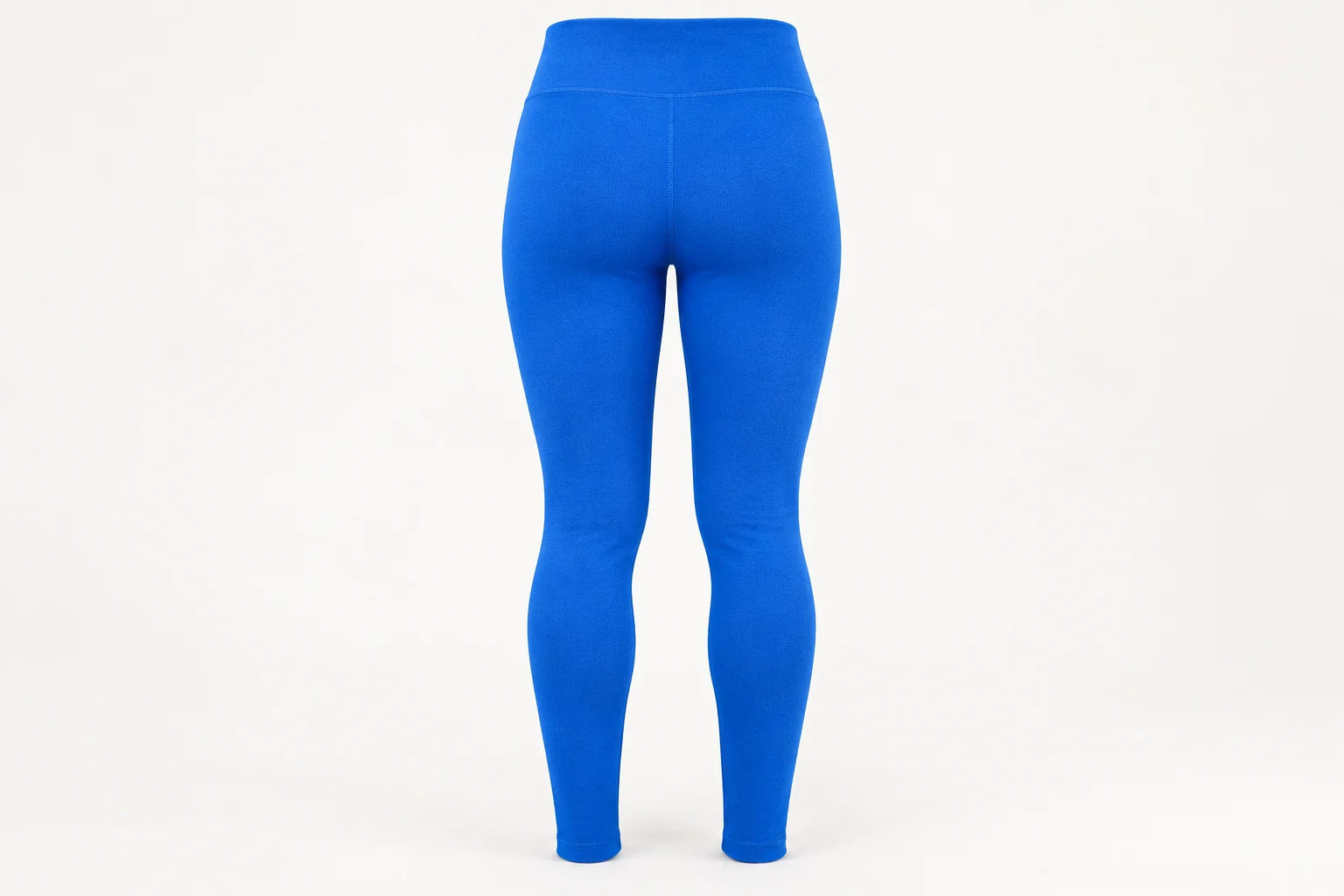
The first requested output should show how the proposed close lounge legging appears during the intended seated or reclining use and after the garment has been allowed to rest under an agreed arrangement. Describe those positions and the actual layers without prescribing a universal duration or test. CottonWorks treats end use and required function as starting questions for knit development. Here, ask the supplier and garment developer for an evidence-producing sample proposal, rather than a generic athletic fabric offer or a measurement reconciliation of an unrelated easy short.
CottonWorks: Designing Knit Textiles — Defining the Product — Start with end use and required function. The before-use/worn/resting fit-evidence output and attribution of pattern versus component corrections are original decision aids, not a published test protocol or supplier service guarantee.
Keep the candidate material and fit proposal inseparable
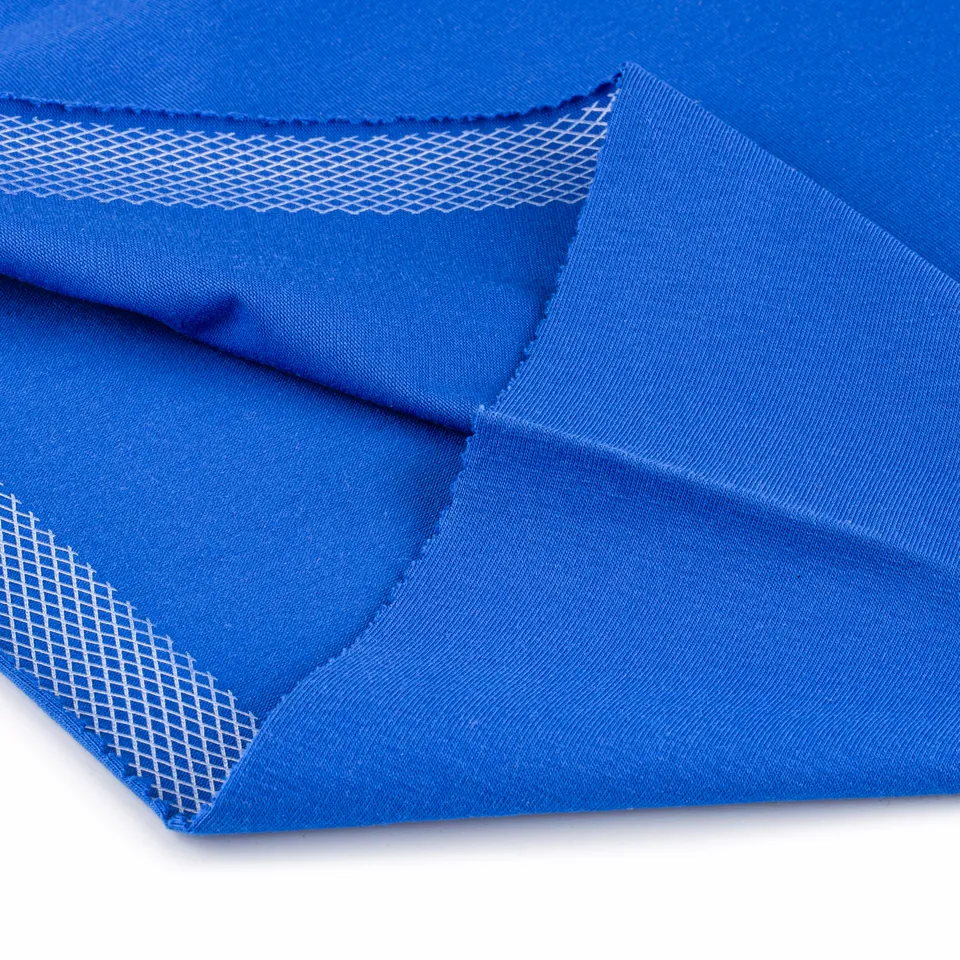
The proposals are SJ-102, 95% cotton and 5% elastane single jersey, enzyme and compacted, at 170, 180, 190, 200 and 210 g/m²; and IN-202, 92% cotton and 8% elastane interlock, compacted and silicone finished, at 220, 235, 250, 265 and 280 g/m². Ask which offered weight and pattern tension will be used in each sample. Do not accept a claim of equivalent leisure fit merely because both contain elastane. The non-overlapping weight ranges and different constructions belong in the comparison, while opacity and recovery remain questions requiring actual evidence.
Specify the views the returned sample must explain
Request an identified unworn reference, observations during the chosen lounge positions, the appearance immediately after returning to standing and the later resting comparison agreed by the team. Show where the outer top is intended as styling and which coverage belongs to the leggings alone. Ask for the seat and knee regions to remain visible in the relevant record rather than selectively photographed away. These outputs should reveal an actual development question, not manufacture an unqualified stay-in-shape claim. Keep consistent sample and layer identities so another photograph does not quietly represent a different assembly.
Separate a revised tension proposal from a band or seam correction
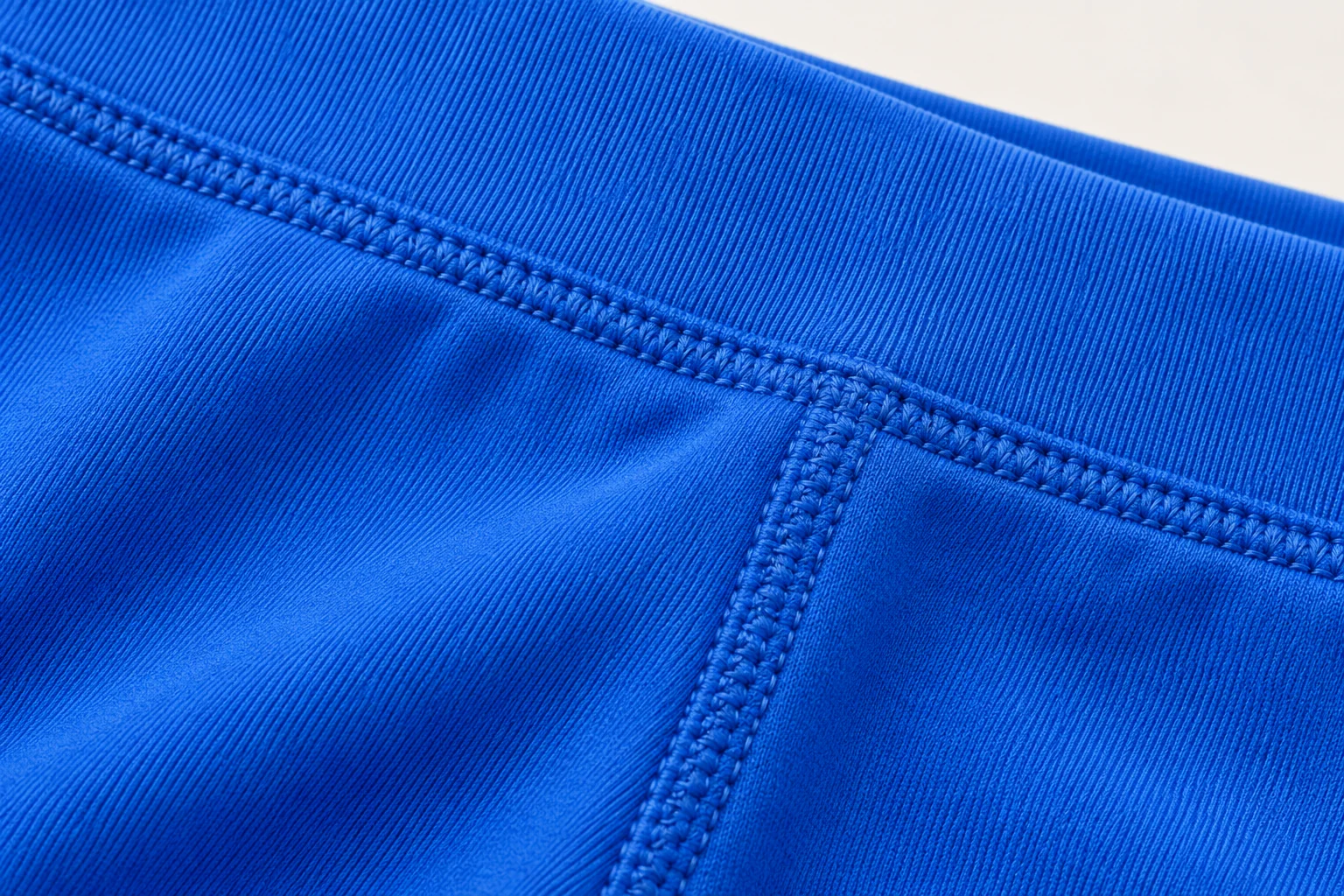
If the first sample is not suitable, ask the developer what their proposed change is meant to address. A less close seat pattern, another waistband arrangement and a relocated seam answer different observations and should be described as such. Request the relevant revised sample without changing all three by default. Do not tell the maker that a higher elastane percentage must be the remedy. The buyer needs to understand whether the new route preserves the intended leisure silhouette, changes its fit deliberately or simply corrects a component that made the first trial misleading.
Request a distinction between wearer evidence and measured evidence
Ask the sample reply to separate what the wearer reported, what the reviewer observed and what an identified laboratory report actually measures. If the programme needs quantified recovery, opacity or another property, have the responsible specialist define the assessment and requirements for the actual proposed supply. Informal seated comfort comments are not medical findings, and a short rest observation is not a universal recovery result. Do not accept a general cotton-elastane certificate or an attractive photograph as a substitute for the specific question the lounge-wear sample was meant to investigate.
Ask what the accepted fit decision changes in purchasing
Once the evidence supports a route, request its actual pattern reference, confirmed usable width and format, marker ratio and body quantity. Show separately purchased waist components where relevant. A revised tension or seam-panel proposal may change the layout; a band correction can change component demand without the same body revision. Ask the maker to explain that consequence rather than return one undifferentiated higher fabric estimate. Keep agreed dimensional and purchasing allowances separate from the intentional pattern change so the quantity follows the accepted sample rather than concealing an unresolved fit decision.
Attach the reviewed lounging scope to the repeat request
Retain the accepted material, offered weight, finish, waist, seam and pattern identities with the before-use, worn and resting references. State which layers, positions and care conditions informed the decision and what evidence remains missing. Use that defined route when asking for current supply terms, with actual colour and size demand shown separately from uncertain forecasts. A replacement material or component should reopen the affected lounge observation instead of inheriting approval from the word leggings. The order should reproduce the reviewed leisure fit without borrowing sports, support or universal shape-retention promises.
Technical background and scope
This is a structured editorial draft. Garment-specific development advice is paired with existing catalogue records; compatibility must be established by sampling. AL KUMAŞ supplies fabric. Cutting, sewing and finished-garment production are separate unless explicitly agreed.