




Ask for a paired cut-sample ticket before a mixed-material release
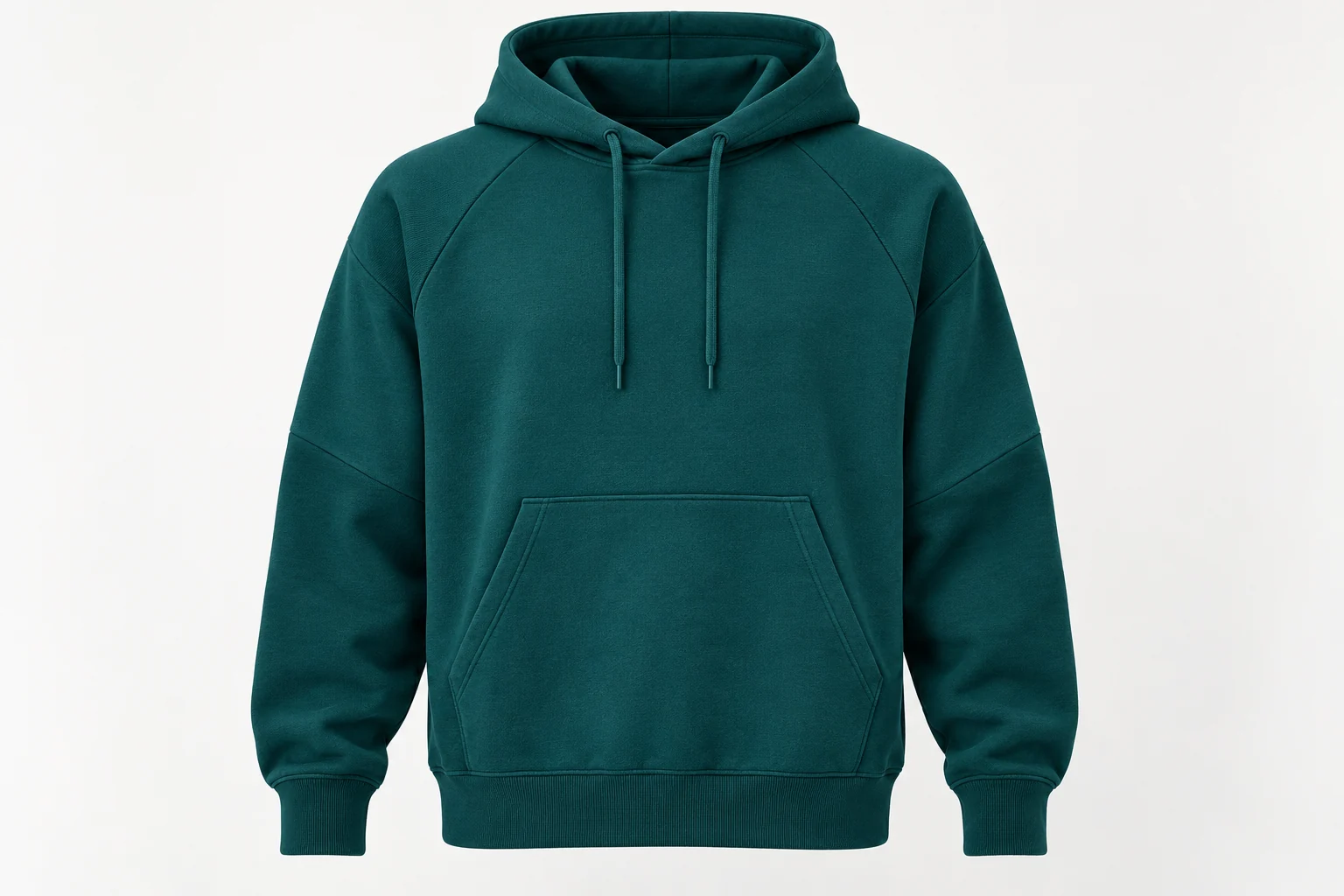
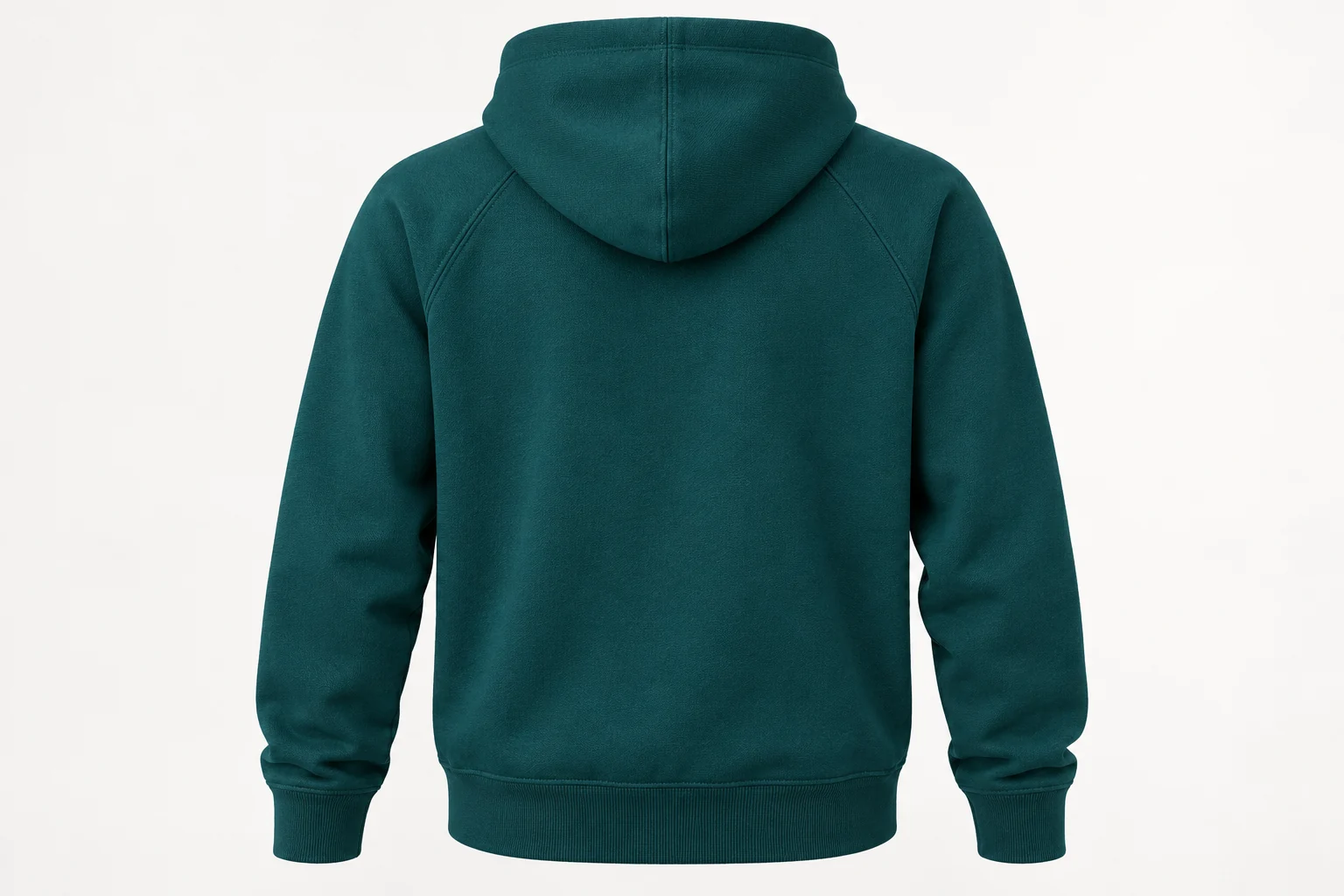
For a proposed panelled hoodie, request a physical companion set identifying the plain and printed supplies that are intended to meet. Each cut sample needs its offered material reference, face, direction and the garment location of its proposed partner. Keep that ticket with the joined specimen and actual print sample rather than circulating unrelated swatches. The output is a traceable pair for technical review and later cutting, not a blanket approval of two article codes. A different material or print should not silently enter the same pairing because its colour looks close.
Identify the actual plain and printed offers on the ticket
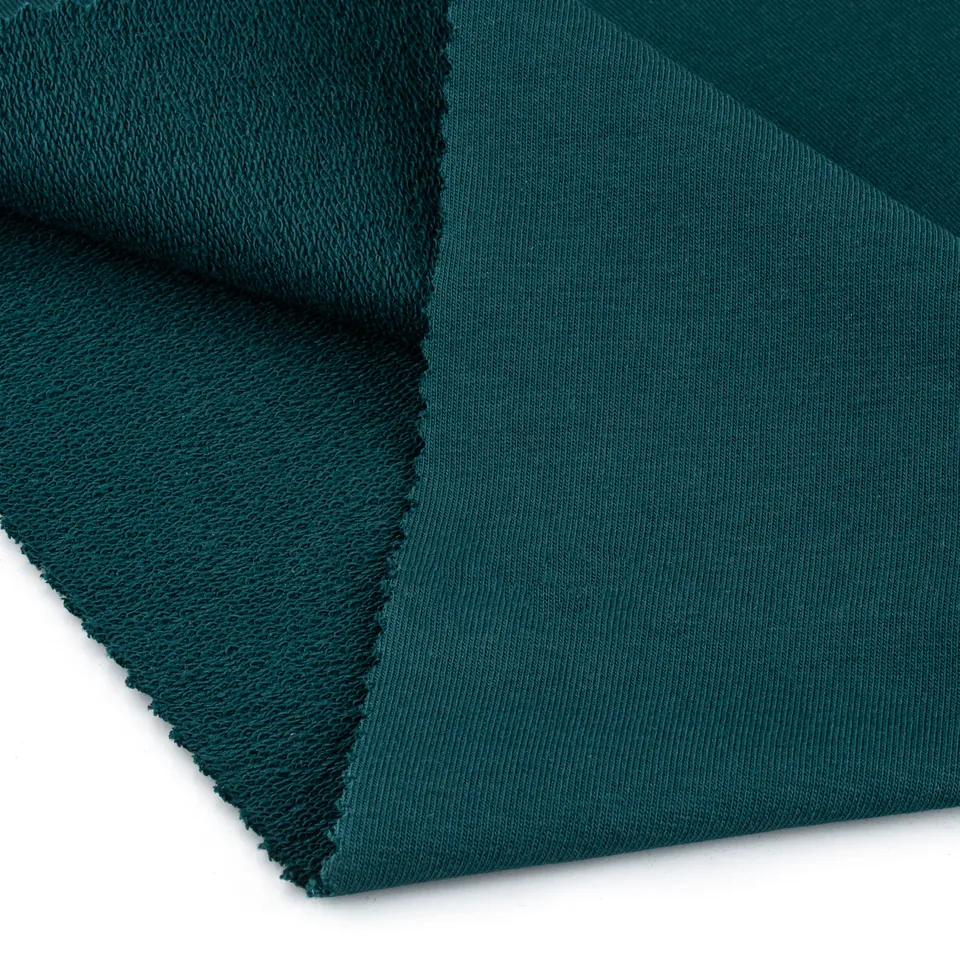
FT-601 records seventy percent cotton and thirty percent polyester, two-thread unbrushed silicone French terry, at 240, 260, 280, 300 and 320 grams per square metre. PR-112 is one hundred percent combed cotton printed interlock with pigment-print finishing at 190, 205, 220, 235 and 250 grams per square metre. Request the offered weights, current usable widths and formats, and the specific printed reference. The records establish neither a repeat dimension nor a compatible care or seam result. Their range overlap does not include an identical listed weight or make the supplies interchangeable.
Link companion pieces by the join they represent
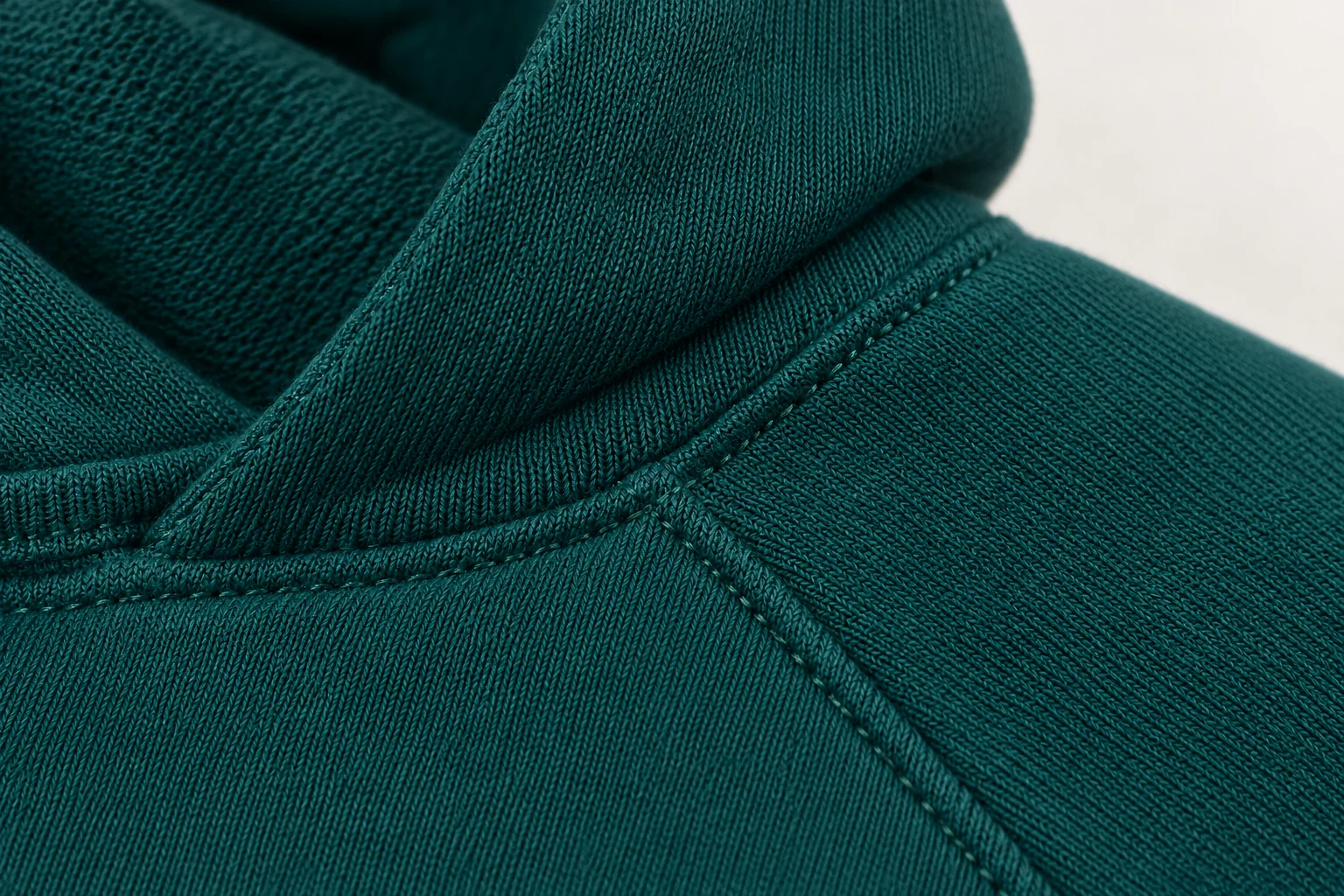
Have the garment developer identify which plain panel edge meets which printed edge, at the actual intended direction and location. The companion set should make left/right or front/back differences apparent where they matter. Request a joined specimen using the intended sewing and support, preserving enough surrounding material to inspect its appearance. Coats describes several sewing and component contributors to puckering; the ticket should identify the actual trial instead of declaring a material unsuitable from an unexplained wavy sample. Do not extend one accepted pairing to every other orientation automatically.
Coats: Eliminating Seam Puckering — Sewing and component factors may contribute to puckering. Companion cut-sample tickets and orientation-specific pair identity are original sourcing guidance, not a source-approved sewing method or compatible material pair.
Keep the print selected for cutting physically attached to the decision
Retain the particular PR-112 print sample and identify any motif direction or placement that restricts the panel cut. If the offered roll or print changes, ask whether it still represents the accepted pair and design. Do not treat the printed article code as a promise of custom artwork, repeat matching or every colour shown in a reference image. The cutting participants need the actual supplied motif and panel relationship, while the buyer should see when a proposed replacement requires another visual or technical decision.
Record the care comparison against the same supplied pair
Ask the responsible technical team to define the relevant procedure and criteria, keeping references for both unjoined materials where appropriate and the actual joined specimen. CottonWorks explains dimensional change through construction, processing and care; it does not qualify this pair or supply a universal limit. Identify which observation supports release and which remains unresolved. An attractive new swatch cannot replace evidence tied to the offered material identities. If the pair fails the intended result, keep that specific finding with the ticket rather than allowing independent material approvals to override it.
CottonWorks: Shrinkage & Skewing — Construction, processing and care influence dimensional change. It does not qualify these offered supplies or establish a universal care criterion; the ticket must remain tied to actual evidence.
Keep approved pair identity through cutting and bundle transfer
Have the maker identify how the actual supplied panel groups will remain connected to the accepted material and print references during cutting and assembly. Record the relevant roll or lot identifiers where provided; do not invent a traceability capability that has not been confirmed. Keep a replacement group visibly separate until the affected pairing is reviewed. This concerns material identity, not a generic quantity reconciliation: the correct number of cut panels can still form an unapproved hoodie if the printed mate, face or direction differs from the accepted companion set.
Quote and release only the identified paired supply
Use the accepted pair and actual panel restrictions for the maker's separate material layouts, component requirement and joining scope. Confirm commercial units, current terms and what the suppliers actually offer, leaving an unqualified pairing pending rather than treating a favourable price as evidence. Keep the ticket, print sample, joined specimen and relevant full-hoodie decision together. A change of weight, finish, print, seam direction or supplied lot should return to the affected identity and evidence. No catalogue label guarantees compatibility, warmth, recovery or lasting appearance for the proposed combination.
Technical background and scope
This is a structured editorial draft. Garment-specific development advice is paired with existing catalogue records; compatibility must be established by sampling. AL KUMAŞ supplies fabric. Cutting, sewing and finished-garment production are separate unless explicitly agreed.