




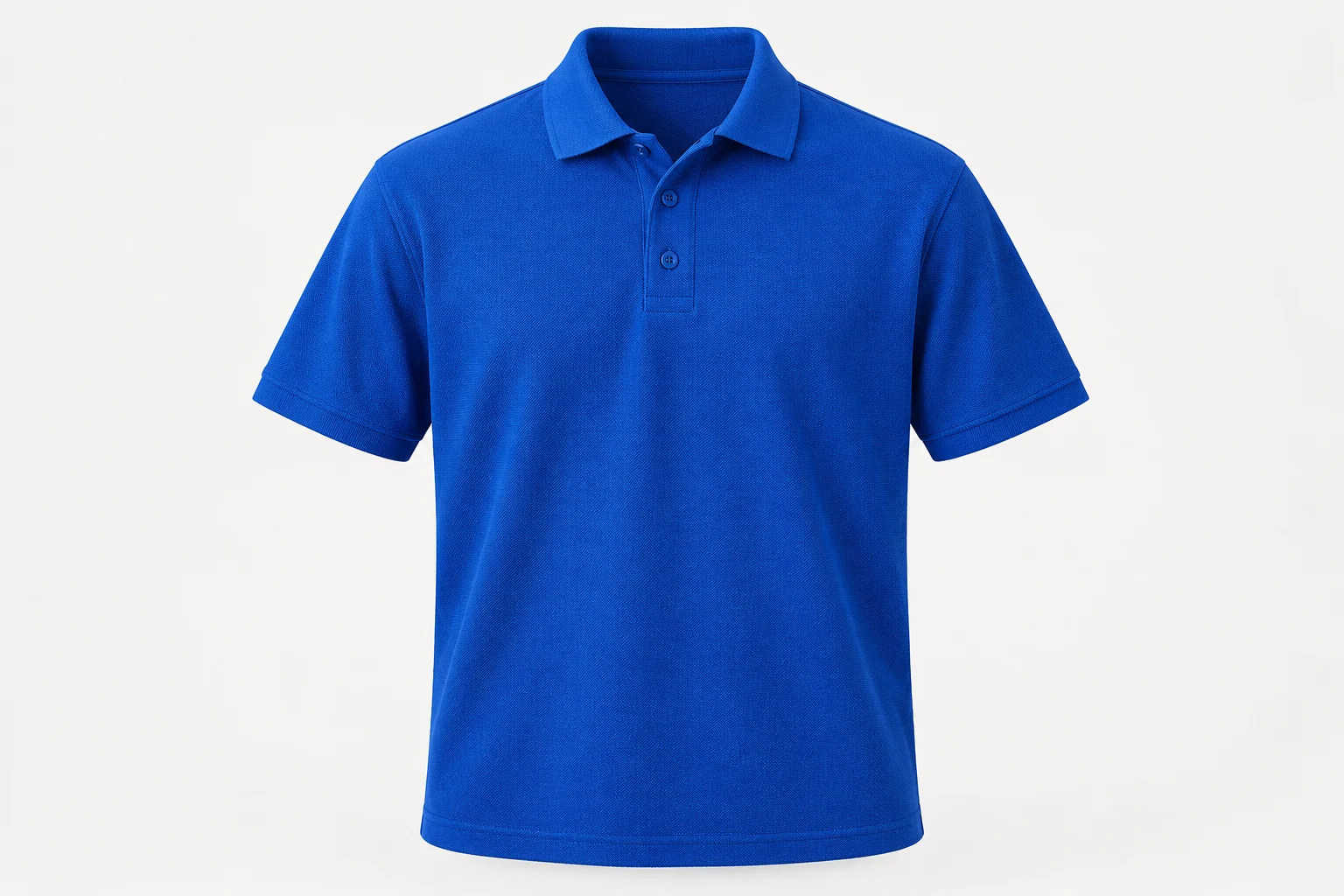
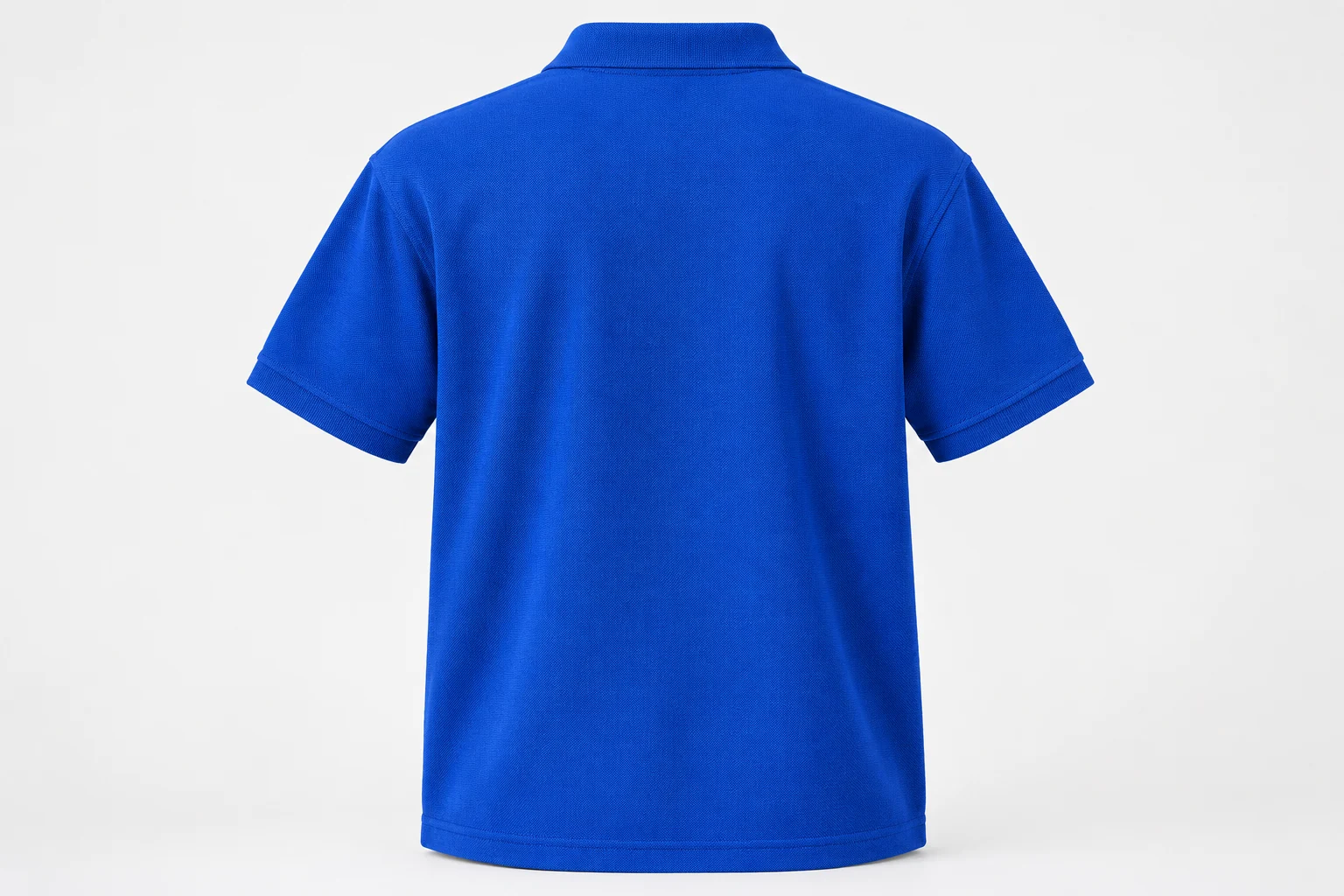
Separate extra ease from a larger nominal size
Obtain the relaxed pattern rather than estimating consumption from a classic polo in a larger size. Ask which dimensions change at the same intended size: shoulder width, chest, sleeve, body length or another specified feature. The differences may be selective rather than proportional. If the designer instead intends an upsized classic, name that choice honestly so the maker can cost the right pattern. This distinction matters before requesting a marker because increased length and increased width can alter the layout in different ways even when both garments are described informally as roomier.
Catalogue starting points
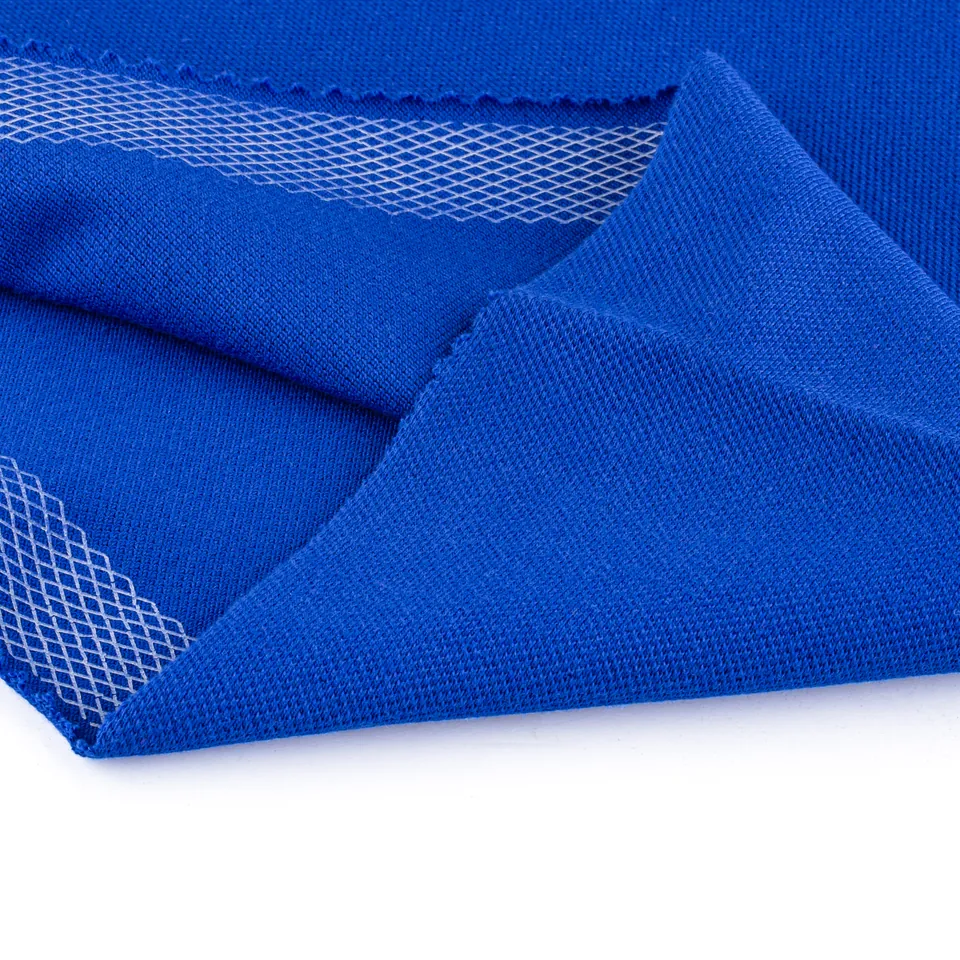
For this calculation, PQ-501 is 100% combed cotton piqué, listed at 190, 205, 220, 235, 250 g/m² with Enzyme + silicone. SJ-101 is 100% compact combed cotton single jersey, listed at 130, 140, 150, 160, 170 g/m² with Enzyme + silicone. Obtain the actual offered weight, usable width and format. These records provide no confirmed cutting width or available quantity. Their weight ranges do not overlap, so a cost comparison cannot claim to hold nominal mass constant; it must identify the real selected offers and the developed garment differences.
Explain added width with a deliberately limited example
A hypothetical combined front-and-back width increase of 0.08 m over 0.65 m of panel length adds 0.052 m² of net area before shaping, seam allowances or layout effects. At a hypothetical selected 190 g/m², that area represents 9.88 g; at 160 g/m² it represents 8.32 g. These numbers illustrate area and mass only, not consumption or suitable fabric choices for an actual order. Real shoulder and armhole changes also alter the sleeve relationship. Ask the pattern owner and planner to calculate the complete revised pieces rather than applying this rectangular example as a specification.
Let the offered width determine the actual layout consequence
CottonWorks describes markers as arrangements of garment pieces and explains material utilisation through their layout. Ask the planner whether the relaxed body pieces still fit the proposed arrangement at the actual usable width. A broadening could change nesting, but no universal width threshold or waste increase is established here. Retain the intended size ratio and direction rules in the explanation. If one material is offered in another width, show that difference rather than attributing every consumption change to nominal weight. The real marker is more useful than an assumed percentage premium for a relaxed fit.
Garment Construction — CottonWorks — General marker arrangement and utilisation concepts; no prescribed width threshold or relaxed-polo consumption.
Keep the sleeve and neckline pieces in the revised calculation
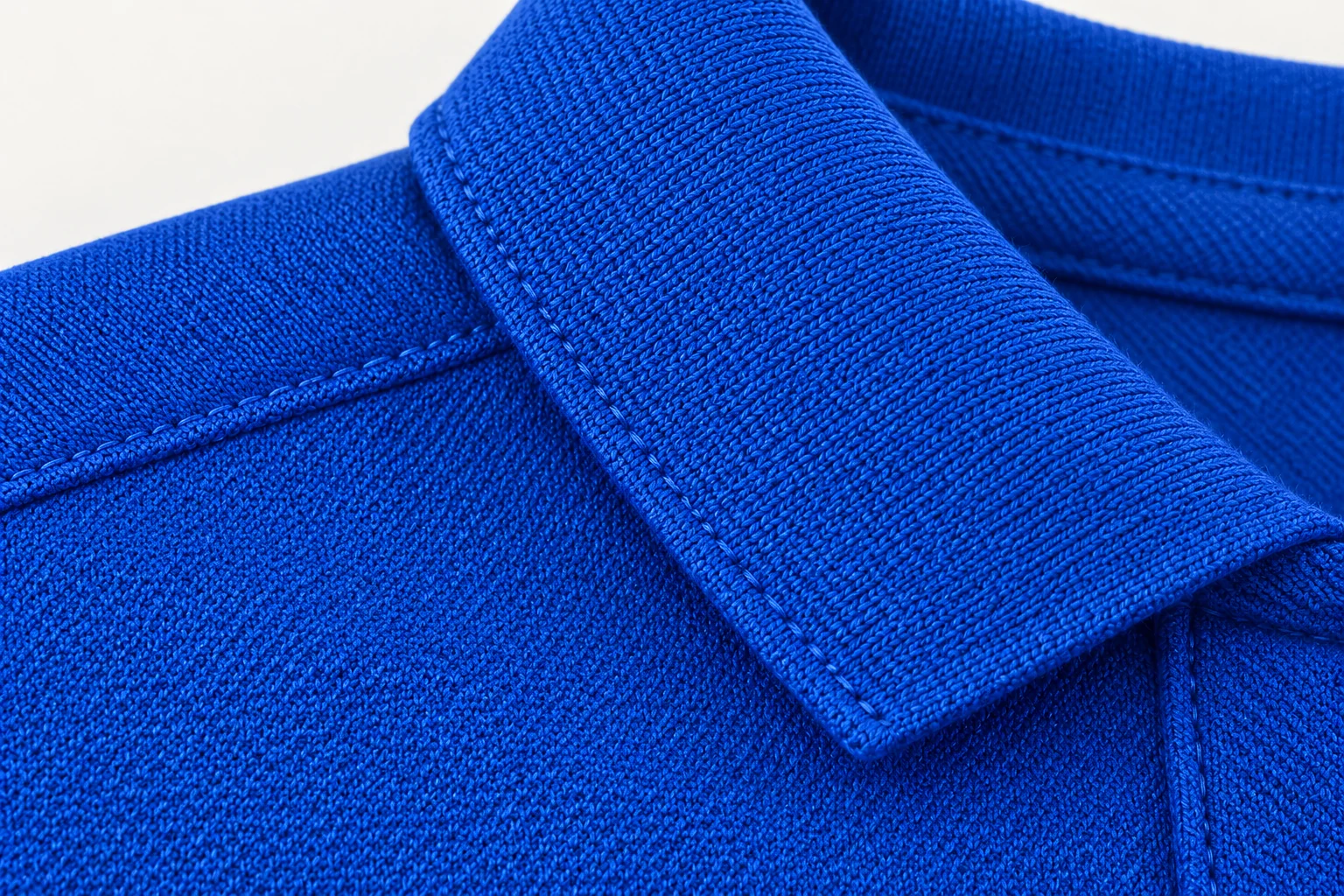
A wider shoulder can accompany a different sleeve pattern, but the designer and pattern specialist must identify the actual relationship. Include the revised sleeve pieces and any resulting assembly change instead of treating body width as the whole consumption delta. Confirm whether the collar and opening remain unchanged or are intentionally redesigned. Purchased components retain their own supply units; self-fabric opening pieces belong in the relevant layout. A relaxed silhouette does not automatically increase every component. This prevents a broad styling label from becoming an unexplained allowance on the entire bill of materials.
Compare cloth economics with complete-garment differences visible
Ask the maker to distinguish the material offer, cutting requirement, component purchases and assembly work for each developed configuration. A lower mass per area does not establish a lower cost per accepted polo, while a heavier body does not prove better value. Confirm actual quoted units, quantities and inclusions rather than converting an isolated kilogram price into a garment conclusion. If one route requires another collar or support proposal, disclose that change. No MOQ, price, capacity or garment-making service follows from these catalogue records or from this illustrative calculation.
Retain a relaxed-pattern costing reference
Keep the selected pattern version, same-size design differences, offered material width, size ratio and actual marker with the quote. State any unresolved dimensions so an estimate is not mistaken for a final production basis. When the buyer later changes sleeve length or requests a different degree of ease, ask for the relevant recalculation instead of reusing the earlier relaxed-fit allowance. This record makes the economic decision understandable to another buyer while preserving the distinction between illustrative net-area arithmetic, a planner’s actual consumption and the maker’s confirmed commercial offer.
Technical background and scope
This is a structured editorial draft. Garment-specific development advice is paired with existing catalogue records; compatibility must be established by sampling. AL KUMAŞ supplies fabric. Cutting, sewing and finished-garment production are separate unless explicitly agreed.