




Make the polo opening the first review station
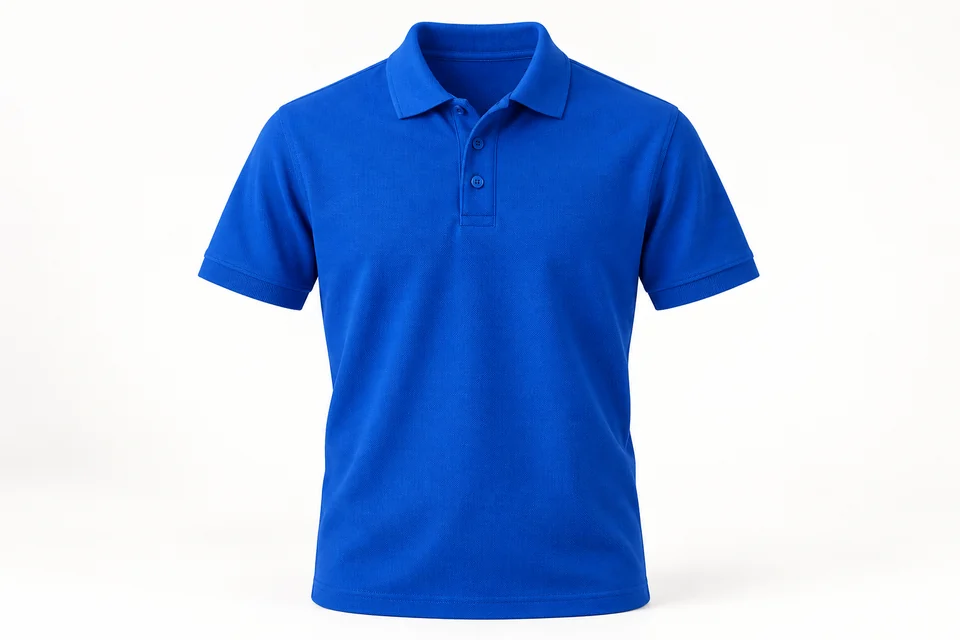
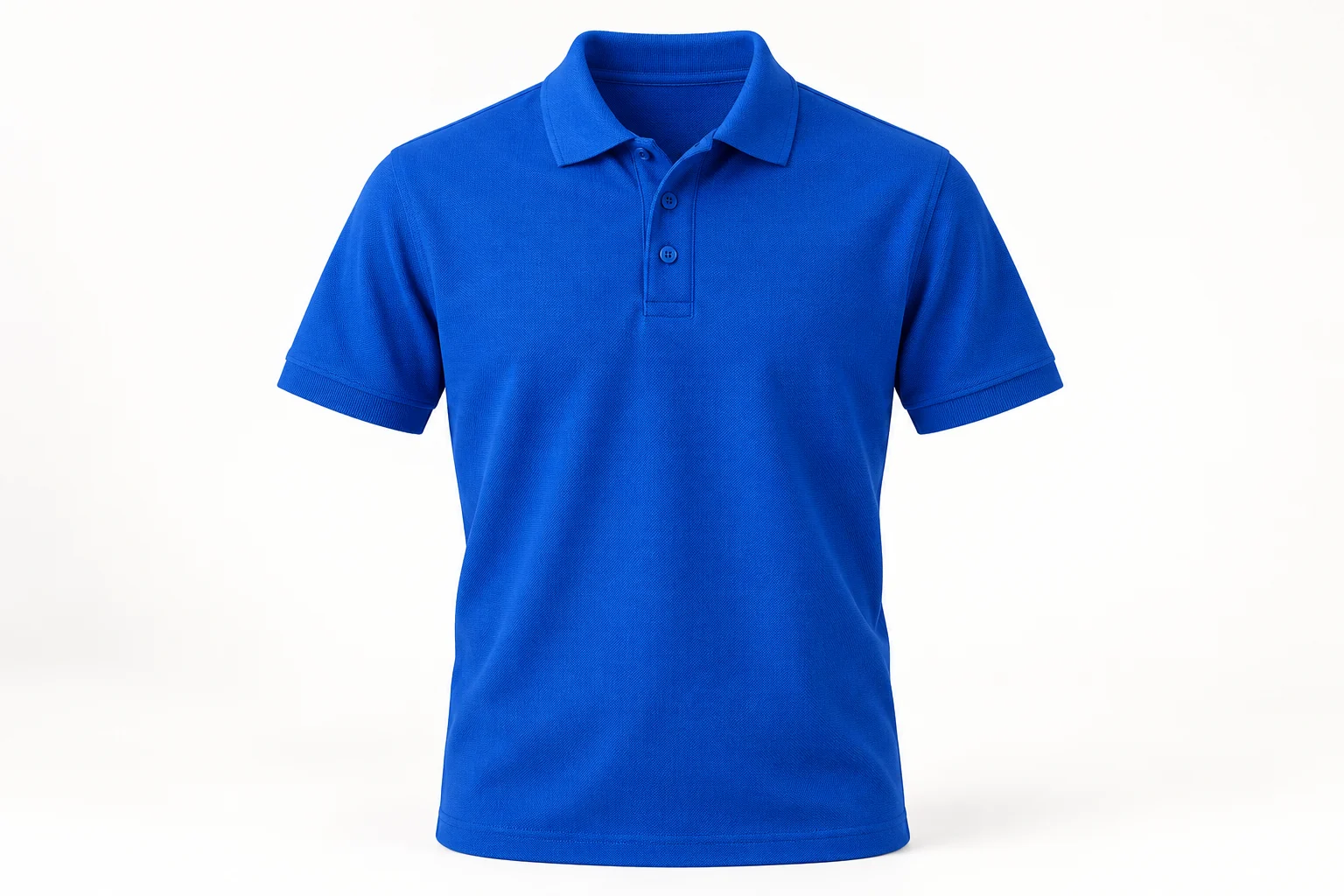
Begin the sample review at the feature that distinguishes the polo from a plain T-shirt: its collar and short front opening. Lay the shirt flat without arranging it to conceal a fault, then assess it on the intended wearer or fit form. Record the placket's closed line, collar-point relationship and position of the bottom of the opening. Take comparable photographs before making adjustments. The point is to locate the issue precisely; a general comment that the front looks untidy does not tell the pattern maker or sewing team which part of the assembly needs attention.
Observe fastening and unfastening
Ask the wearer to use every intended button and assess whether the buttonhole, button size and surrounding construction work together. Check that the top opening provides the intended dressing access and that the closed placket does not pull the body into an unintended shape. If the prototype uses temporary buttons or a substituted support material, record that limitation before judging the result. The final component combination requires its own review. Do not turn the absence of an immediate visible problem into a strength or durability claim; those requirements need a defined assessment plan.
Review the collar after ordinary movements
Assess the shirt with the head turned, arms reaching and the torso seated as appropriate to the intended use. Observe whether the collar falls to the planned position or needs frequent rearranging. Identify whether an unwanted appearance is related to the collar construction, neck attachment or pattern balance before changing the body fabric. A separately knitted collar, a cut collar and a collar on a stand cannot be treated as the same prototype. Keep the accepted component reference and attachment notes available, because the body code alone does not reproduce the result.
Trace seam behaviour through the whole assembly
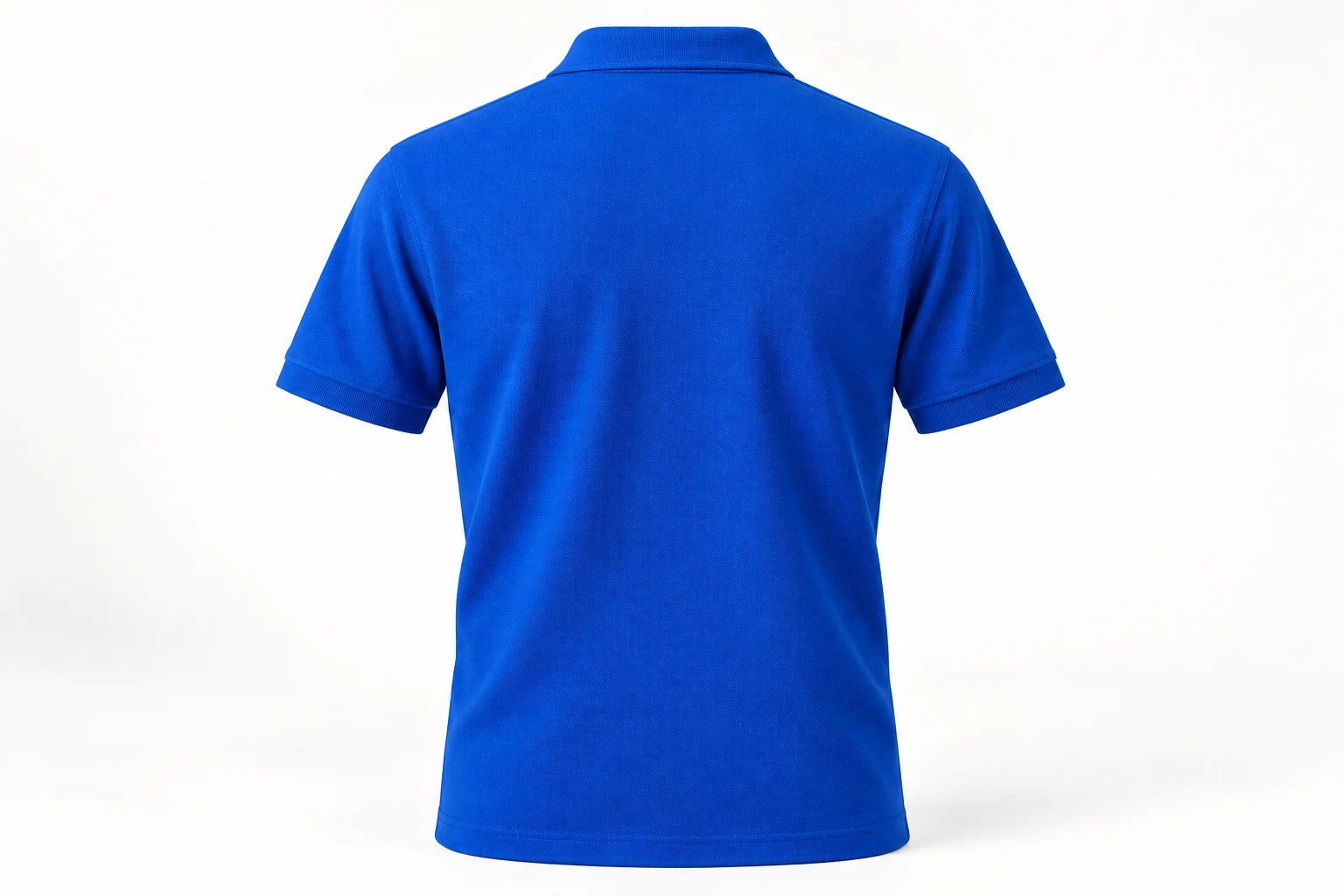
CottonWorks emphasises the role of stitch and seam selection in garment construction. For a polo, review the shoulder, collar attachment, sleeve edge, side seam and slit as connected but separately observable junctions. Ask the sewing team to note the machine and construction used in the trial without prescribing an unverified universal setting. A waviness problem may warrant a controlled assembly comparison before the fabric is rejected. Where the logo requires backing, inspect the decorated panel too. Compare the accepted undecorated area and the actual decorated sample rather than assuming that decoration cannot affect the garment's appearance.
CottonWorks: Garment Construction — General importance of seam and stitch combinations in assembly; no universal machine setting or polo test result is inferred.
Catalogue starting points
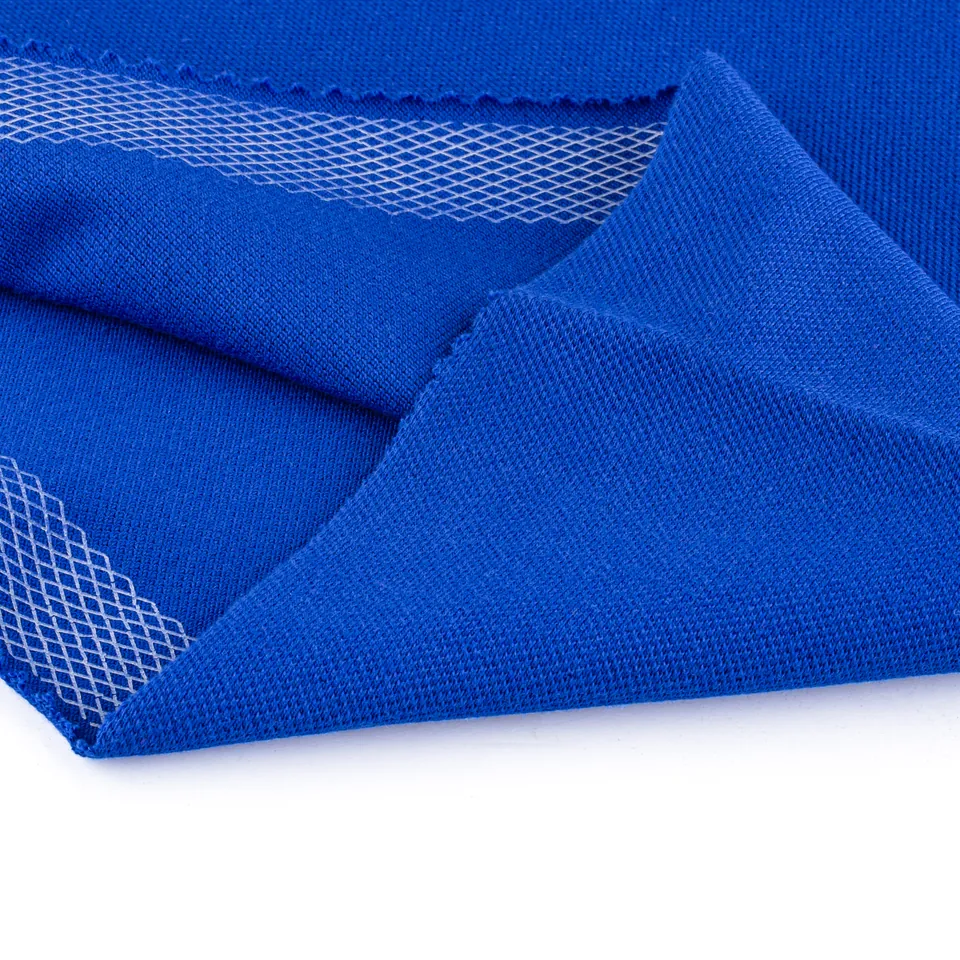
PQ-501 is recorded as 100% combed cotton with options of 190, 205, 220, 235, 250 g/m²; SJ-101 is 100% compact combed cotton at 130, 140, 150, 160, 170 g/m². Those facts identify comparison materials, not completed-polo quality results. Neither article record supplies a collar-retention, button attachment, laundering or seam test report for this shirt. Mark the exact sampled body weight and finish and list the separate collar and placket components. A revision in those components can require another garment trial even when the body article stays unchanged. The stated finish field is Enzyme + silicone for both bodies; its presence is not a completed garment trial.
Compare the body and trim after the care trial
Set measurement points that can show changing relationships: body length and width, collar dimensions, placket length, sleeve opening and the front-to-back hem relationship. Agree the care and measurement procedure before exposure and retain the baseline photographs. CottonWorks explains that dimensional change can alter fit and relationships between body cloth and trims; that is why the whole polo deserves inspection, not merely a square of body fabric. Ask the relevant specialist which methods and acceptance criteria apply. No percentage in the catalogue should be invented as the programme's pass limit.
CottonWorks: Shrinkage & Skewing — Dimensional change can affect fit, seam appearance and relationships between body cloth and trims. Does not give performance figures for PQ-501 or SJ-101.
Separate reworkable details from a rejected route
Close the sample review with a short issue log that states the observed problem, the proposed change and the review needed after that change. For a hypothetical placket that twists after care, retain the original sample and test a controlled construction revision instead of changing fabric, support and pattern simultaneously. If the issue remains unacceptable, identify that material-construction route as unresolved. Approve the polo only when the body, collar, opening, decoration and hem decisions refer to the same sample version. A tidy pressed photograph or a passed body cutting cannot replace that combined record.
Technical background and scope
This is a structured editorial draft. Garment-specific development advice is paired with existing catalogue records; compatibility must be established by sampling. AL KUMAŞ supplies fabric. Cutting, sewing and finished-garment production are separate unless explicitly agreed.