




Send a specification that shows the finished opening
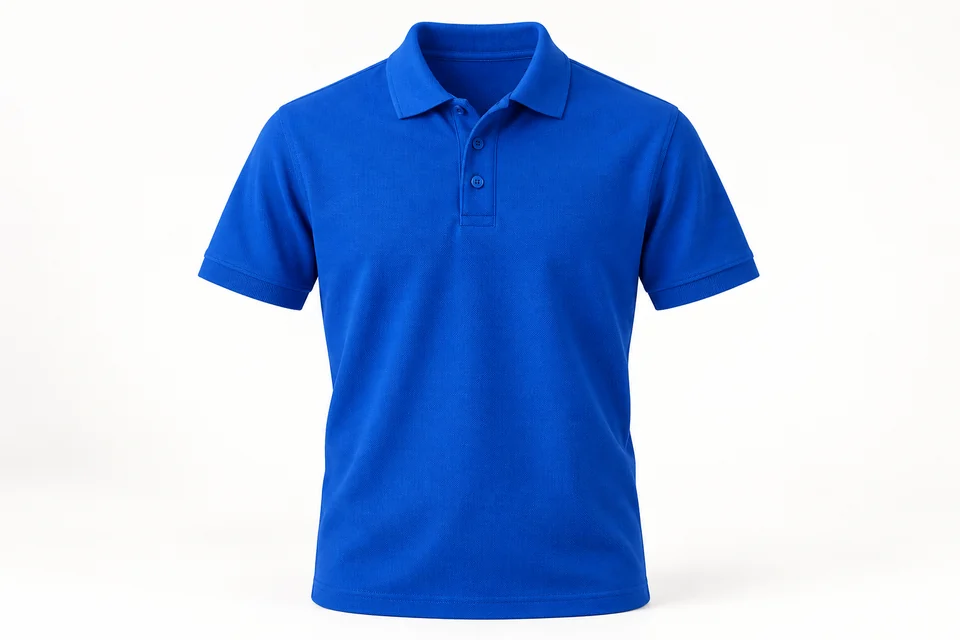
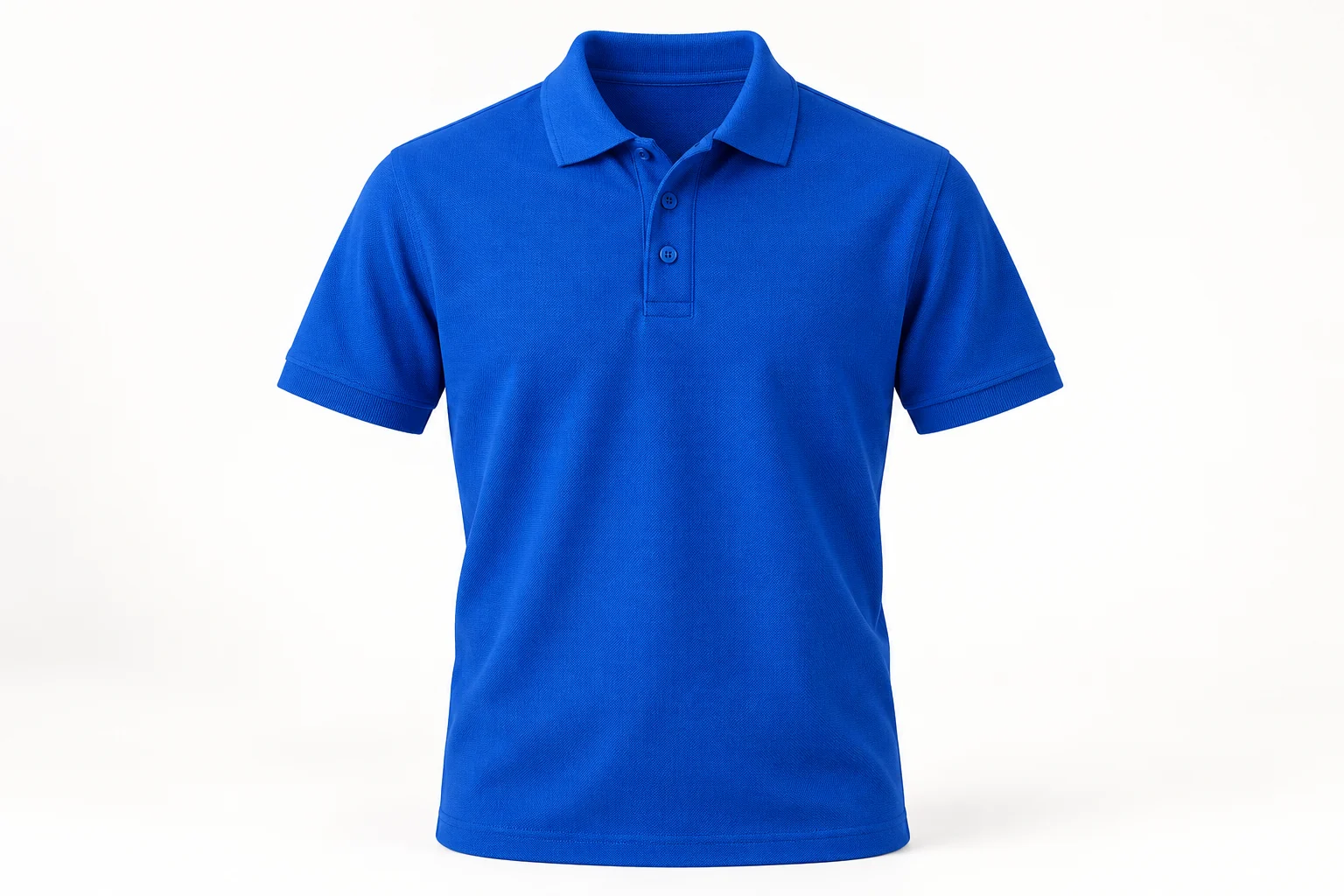
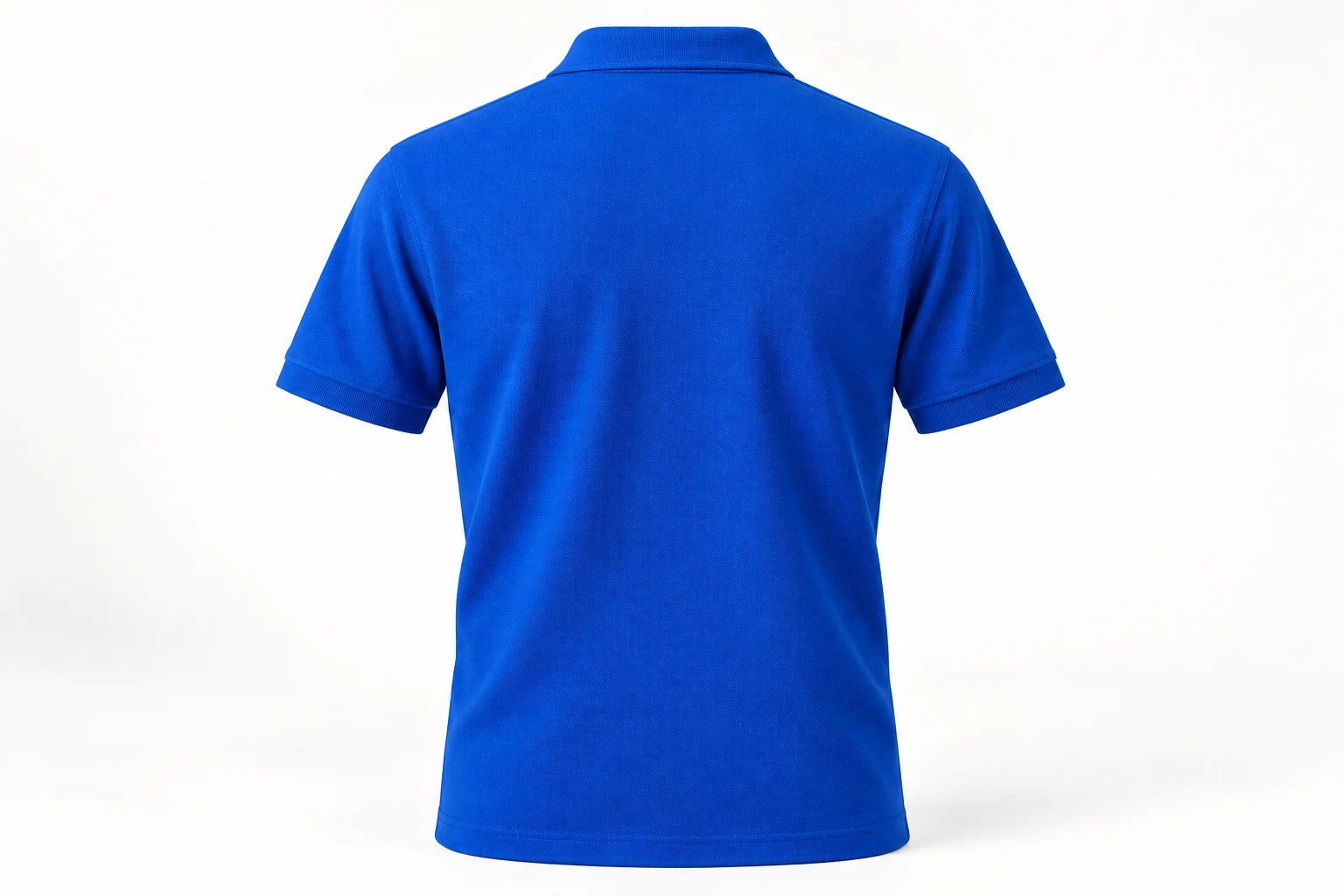
A polo-body enquiry should include a technical front and back drawing with the collar shape, placket depth, button count, sleeve finish and hem treatment marked. State whether the buyer is developing a traditional textured direction or a lighter jersey interpretation. Explain the intended fit and whether a chest pocket or logo is planned. These details allow the discussion to concern a particular shirt rather than an undifferentiated polo fabric. Use reference photographs to supplement the drawing, especially where the internal opening or neck finish cannot be seen clearly.
Assign responsibility for collars and other trims
Write down who sources the body roll, collar, sleeve bands where present, buttons, thread, support and decoration. A request to a fabric supplier does not automatically include the finished components or the garment-making service. Ask explicitly whether a proposed collar is available from the supplier or must be arranged elsewhere, and record the reply. If the garment maker supplies it, require that item's reference in the sample pack. This responsibility map prevents a body quotation from being mistaken for a complete polo package and makes missing component costs visible early.
Catalogue starting points
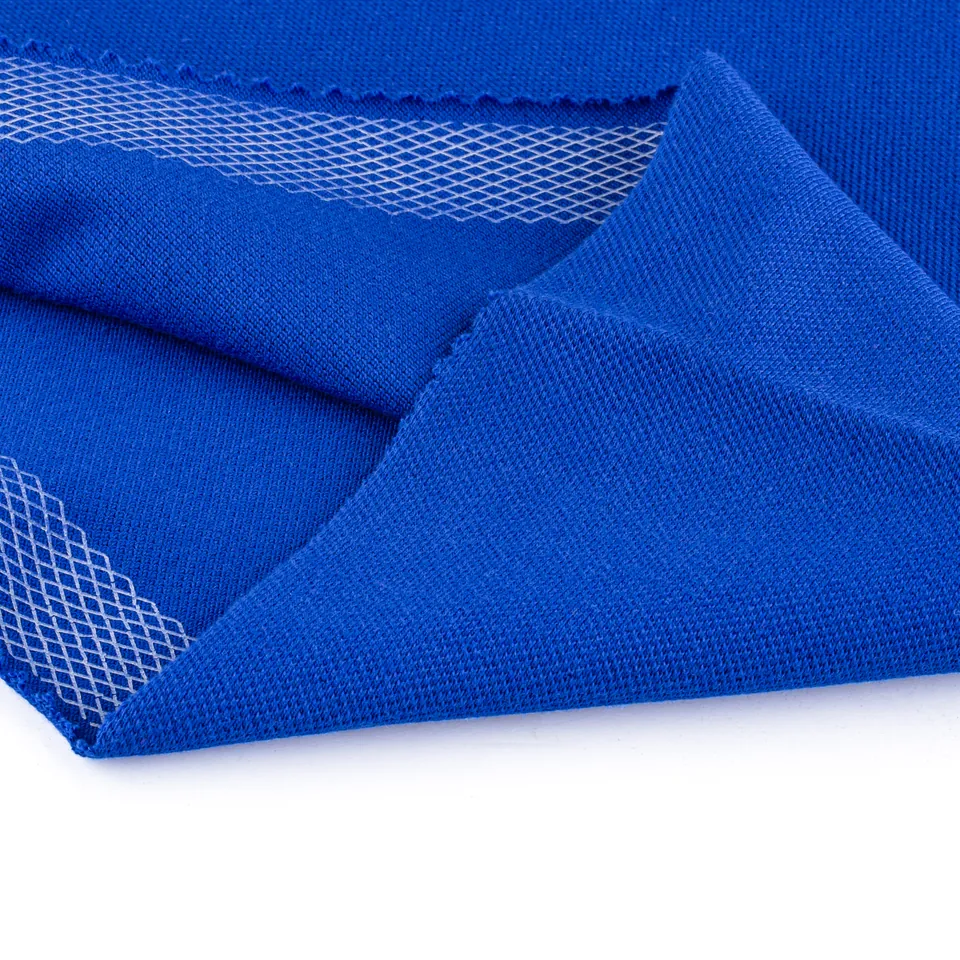
For the body discussion, PQ-501 is listed as 100% combed cotton at 190, 205, 220, 235, 250 g/m², while SJ-101 is 100% compact combed cotton at 130, 140, 150, 160, 170 g/m². Select the relevant options for the first quotation and request confirmed finished weight, usable width, format and finish. Current availability is not established by the catalogue record. Ask the commercial team to distinguish an offered specification from an alternative that still needs development, and keep that distinction when passing information to the garment maker. Each lists an Enzyme + silicone finish designation; have the offer identify the actual finish being supplied.
Show a quantity plan that reflects component colours
Give estimated requirements by body colour and unit, then identify the intended collar and trim combination for each. In a hypothetical navy-and-white programme, a navy body with a white collar is a separate component combination from an all-navy shirt even if the body code is the same. If quantities are still forecasts, label them accordingly and ask which minimums or sample charges apply to the actual requested supplies. Do not infer a trim minimum from the body-fabric offer. Include the proposed destination and timing so the reply can address the programme's commercial assumptions.
Ask for evidence that addresses the actual selling promise
If the polo is being positioned for repeated workwear laundering or another demanding use, describe that intended use and request relevant evidence rather than assuming cotton piqué proves it. Ask which article, finish and components any supplied report covers. Keep garment assembly, colour, dimensional and decoration questions assigned to the responsible specialists. Avoid adding easy-care, fade-resistant, protective or environmental claims merely to strengthen the marketing copy. Where evidence is missing, request clarification or adjust the proposed claim; a confident sales phrase is not a substitute for a documented product requirement.
Specify the first useful sample package
A focused first package might contain identified body cuttings, the proposed collar sample and a short constructed opening using the planned support and buttons. The exact contents should answer the unresolved design decisions, and availability and charges require confirmation. If the brand mark is essential, request a decorated trial on the proposed body from the relevant decorator. Keep its artwork version and placement attached. CottonWorks discusses auxiliary components as part of garment construction; for this polo, the commercial value of sampling is seeing how those components work together before committing to a full programme.
CottonWorks: Garment Construction — Garment assembly involves components beyond base fabric. Polo-specific responsibility allocation and sample-package suggestions are editorial application, not claims of an available supplier service.
Request a reply that separates offer from approval
Ask the supplier to return a line-by-line response showing offered material, quantity basis, price unit, commercial terms, sample status and unanswered questions. Have the garment maker provide its separate whole-shirt costing with the component and marker assumptions visible. Do not treat the supplier's willingness to quote as approval of fit or decoration. The next action should identify the decision owner and evidence required, such as selecting a body after cuttings or approving the opening after a sewn trial. Keep the final accepted offer linked to the actual sample references instead of relying on an email subject line alone.
Technical background and scope
This is a structured editorial draft. Garment-specific development advice is paired with existing catalogue records; compatibility must be established by sampling. AL KUMAŞ supplies fabric. Cutting, sewing and finished-garment production are separate unless explicitly agreed.