




Ask for a collar decision before a bulk offer
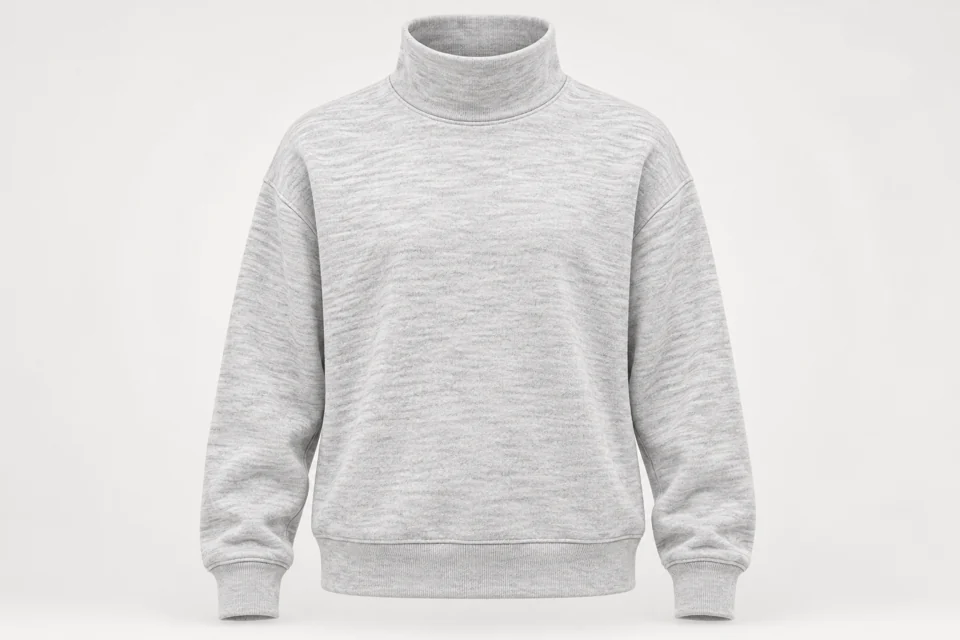
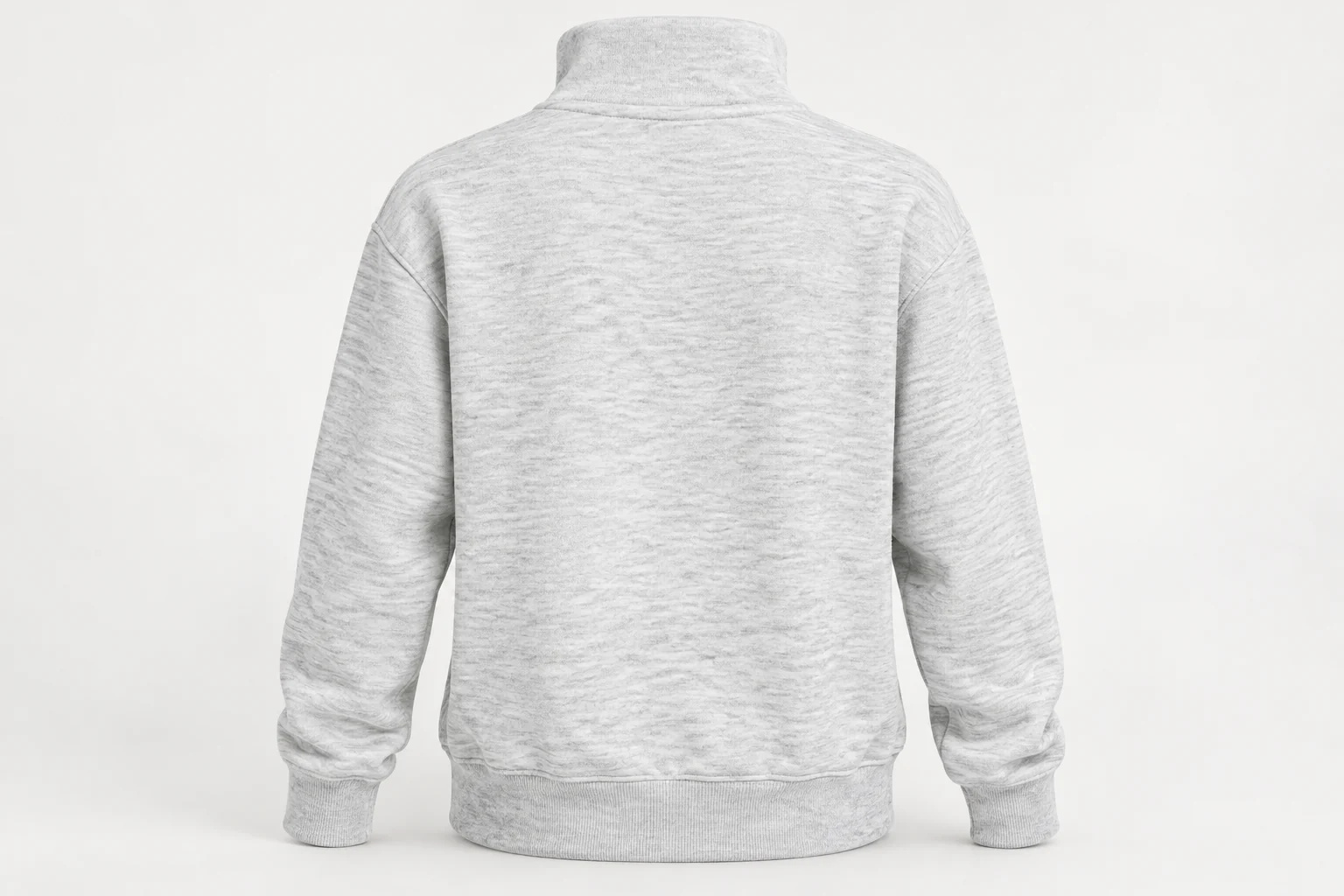
Frame the enquiry around the unresolved funnel-neck choice: the desired height, top opening, ordinary fall and intended adult dressing access. Supply front and side drawings showing a pull-on design without an assumed zip. State which observations must decide the route. This makes the request different from a general sweatshirt price enquiry or a quarter-zip collar order. Ask the garment developer to own the collar geometry and the fabric supplier to identify the material offer, so neither party is left to infer the other's missing decision.
Set up two named self-fabric collar variants
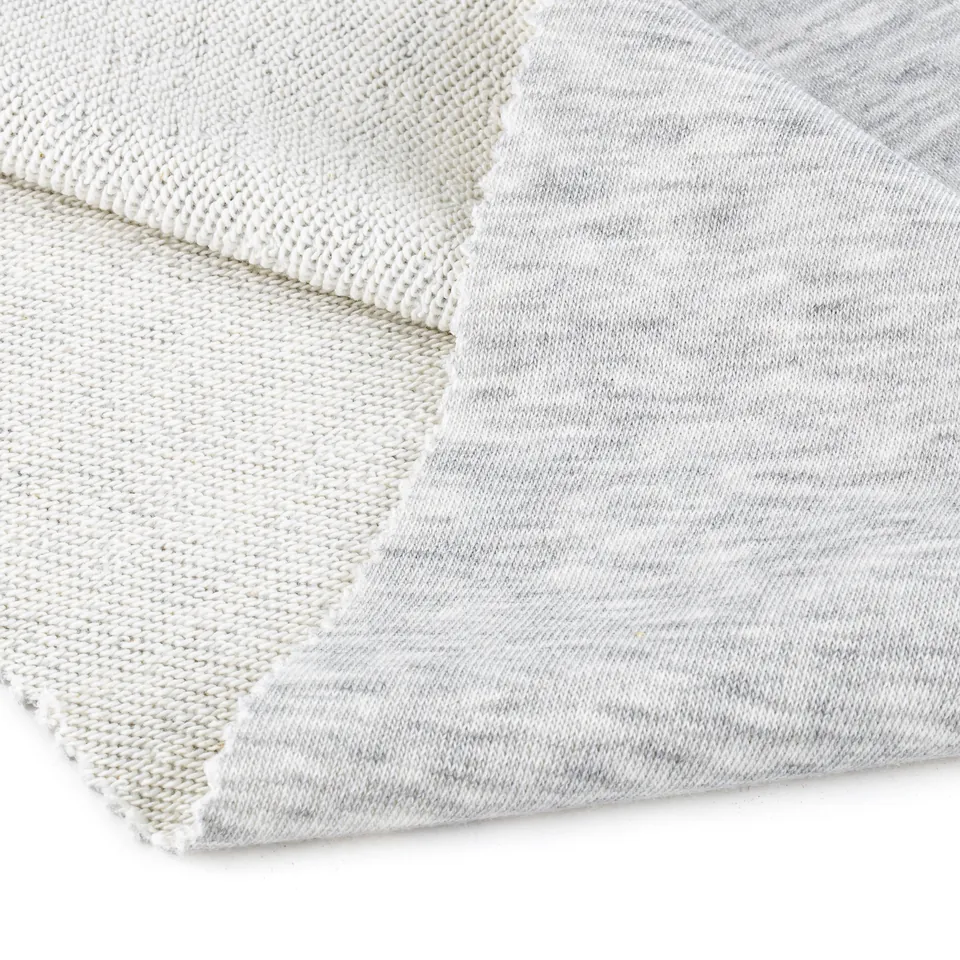
Variant A can use the selected FT-602 body and collar: seventy percent cotton and thirty percent polyester, three-thread unbrushed compacted, at one confirmed option from 300, 325, 350, 375 and 400 grams per square metre. Variant B can use FT-603 throughout: sixty-five percent cotton and thirty-five percent polyester, three-thread brushed fleece, labelled brushed anti-pilling, at one option from 320, 345, 370, 395 and 420 grams per square metre. These are proposed sample routes, not proven equivalents or a finish-only comparison. Ask for the current offered specification for each.
Add a mixed inner layer only to answer a specific failure
If neither self-fabric variant meets the collar brief, ask the maker what a different inner layer is intended to solve: excessive bulk, unwanted fall or another documented observation. Call that Variant C and identify its material owner, sample reference and additional cost basis. No suitable inner material is established by the two body records alone. Do not accept an unspecified lining as a universal fix. Define the new trial and compare its result with the original variants, keeping colour, surface and post-care questions visible rather than trading one unresolved issue for another.
Use a compact decision sheet for the three routes
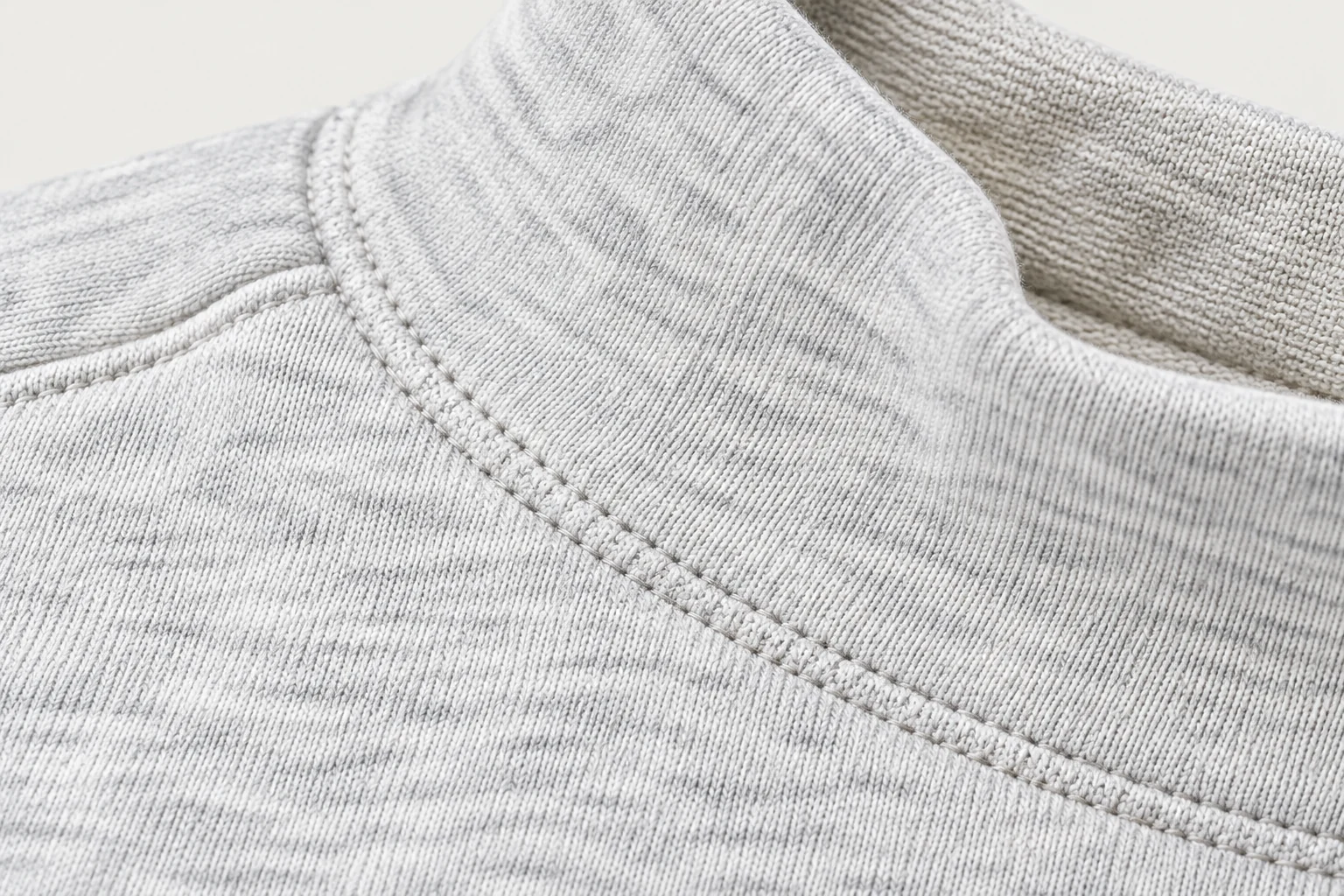
Give each variant the same headings: actual material identity, opening and height pattern, dressing observation, ordinary collar fall, base bulk, appearance after care and unresolved evidence. Record an outcome and responsible reviewer for every field. Coats distinguishes seam arrangement from stitch choice, so include the complete attachment reference rather than only a stitching label. A variant can fail one criterion despite having the lowest material cost. This decision sheet lets purchasing see why the developer selected a route instead of interpreting the softest cutting or highest weight as the answer.
Coats: Seam Types — Seam component configuration is distinguished from stitch choice. The three-variant collar decision sheet is original sourcing guidance and no variant is represented as already tested.
Cost only the accepted geometry and material scope
After a variant is selected, request the actual collar and body component marker at confirmed usable width and supply format. Identify whether the inner collar is in the main roll requirement or bought separately. Ask the maker to show size-dependent collar pieces and the intended production mix. A finished collar height is insufficient for ordering its unfolded material. List quantities by offered article, weight and colour with units, keeping development estimates labelled until the pattern and consumption are accepted. Request current commercial terms for that specific scope.
Keep finish wording below the level of an unsupported claim
Ask what article-specific documentation is available for any required appearance or durability outcome. CottonWorks describes satisfactory durability as something agreed for the actual product and end use through appropriate assessment. Use that principle to identify missing evidence, not to request a blanket guarantee that the collar will always stand or never pill. The FT-603 anti-pilling label and both construction descriptions remain material facts, distinct from proven garment results. Claims about warmth, recovery or wearer suitability should not enter the marketing copy merely because one prototype looks promising.
CottonWorks: Garment Durability — Satisfactory durability performance should be agreed for the product and end use through appropriate assessment. It supplies no anti-pilling grade, collar recovery or garment warmth result for the proposed variants.
Make substitutions return to the selected variant
Attach the accepted variant sheet, physical sample and collar pattern to the commercial comparison. Review price basis, currency, minimums, payment and delivery terms with the relevant suppliers once the component scope is clear. If an alternative inner material or body finish is proposed, identify which decision-sheet fields require renewed review instead of treating the change as clerical. Retain the approved neck assembly with the order file. The repeat specification is the chosen collar system and documented outcome, not just another request for a funnel-neck sweatshirt in a similar shade.
Technical background and scope
This is a structured editorial draft. Garment-specific development advice is paired with existing catalogue records; compatibility must be established by sampling. AL KUMAŞ supplies fabric. Cutting, sewing and finished-garment production are separate unless explicitly agreed.