




Define maxi length against a real wearing reference
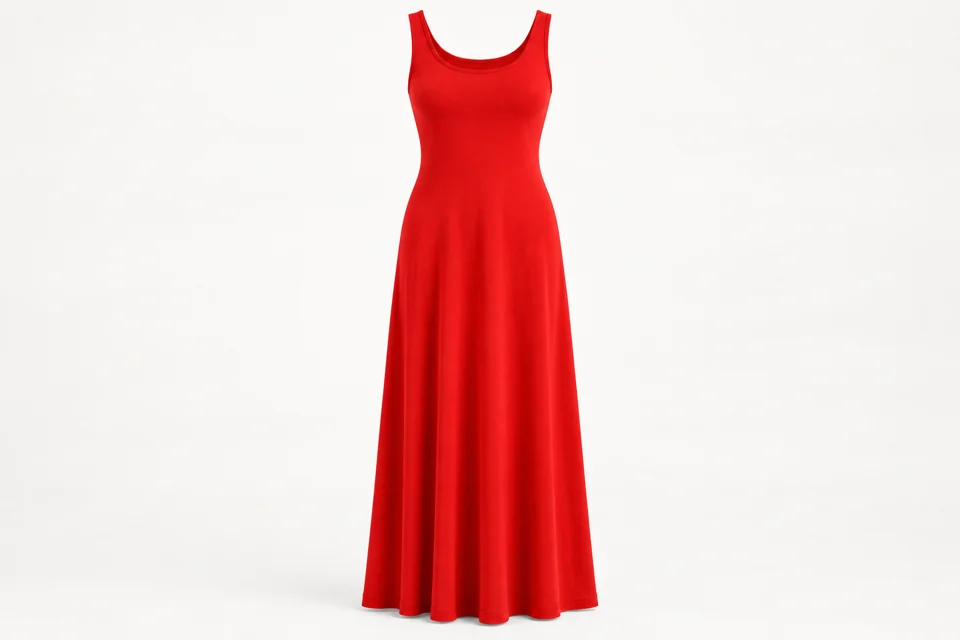
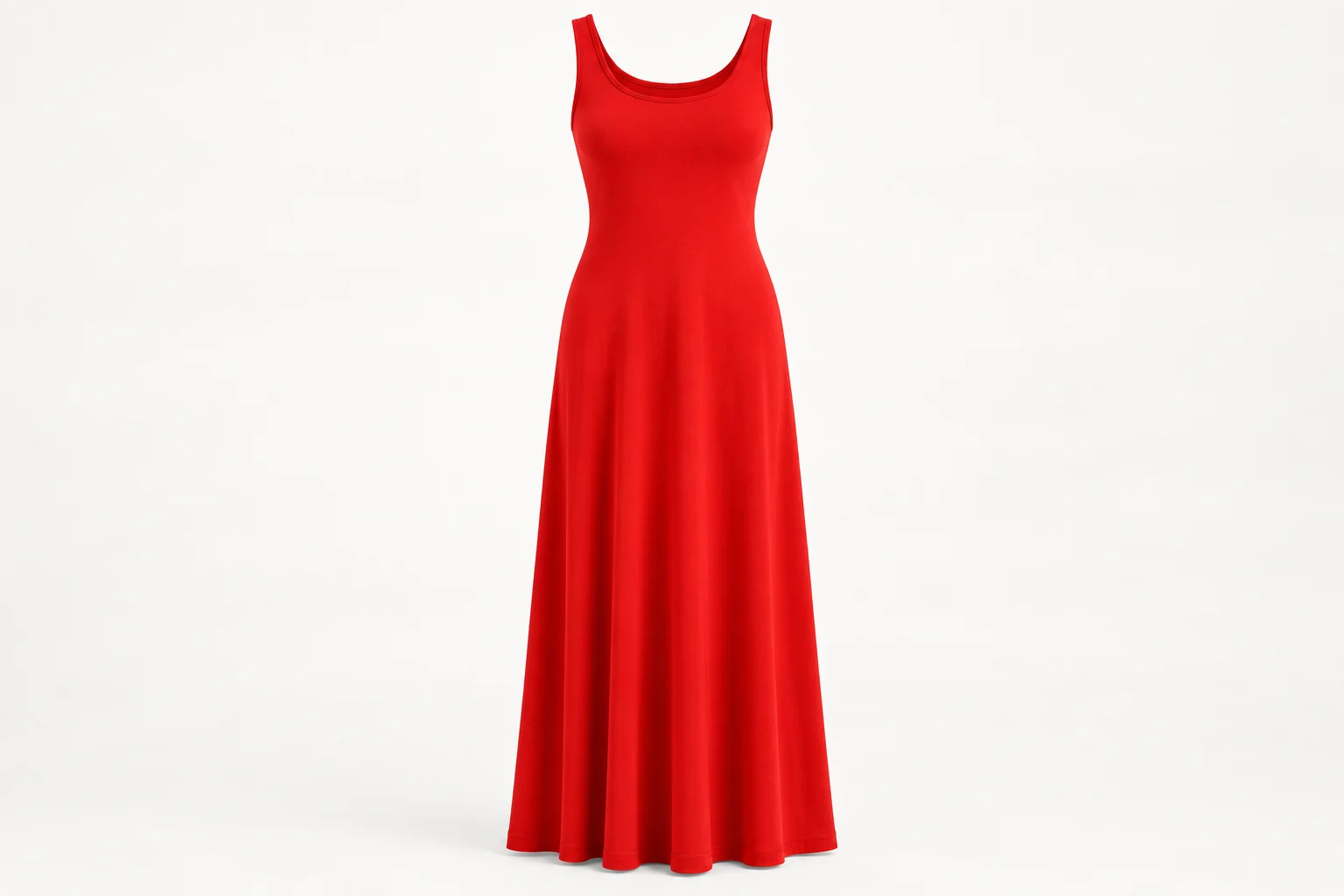
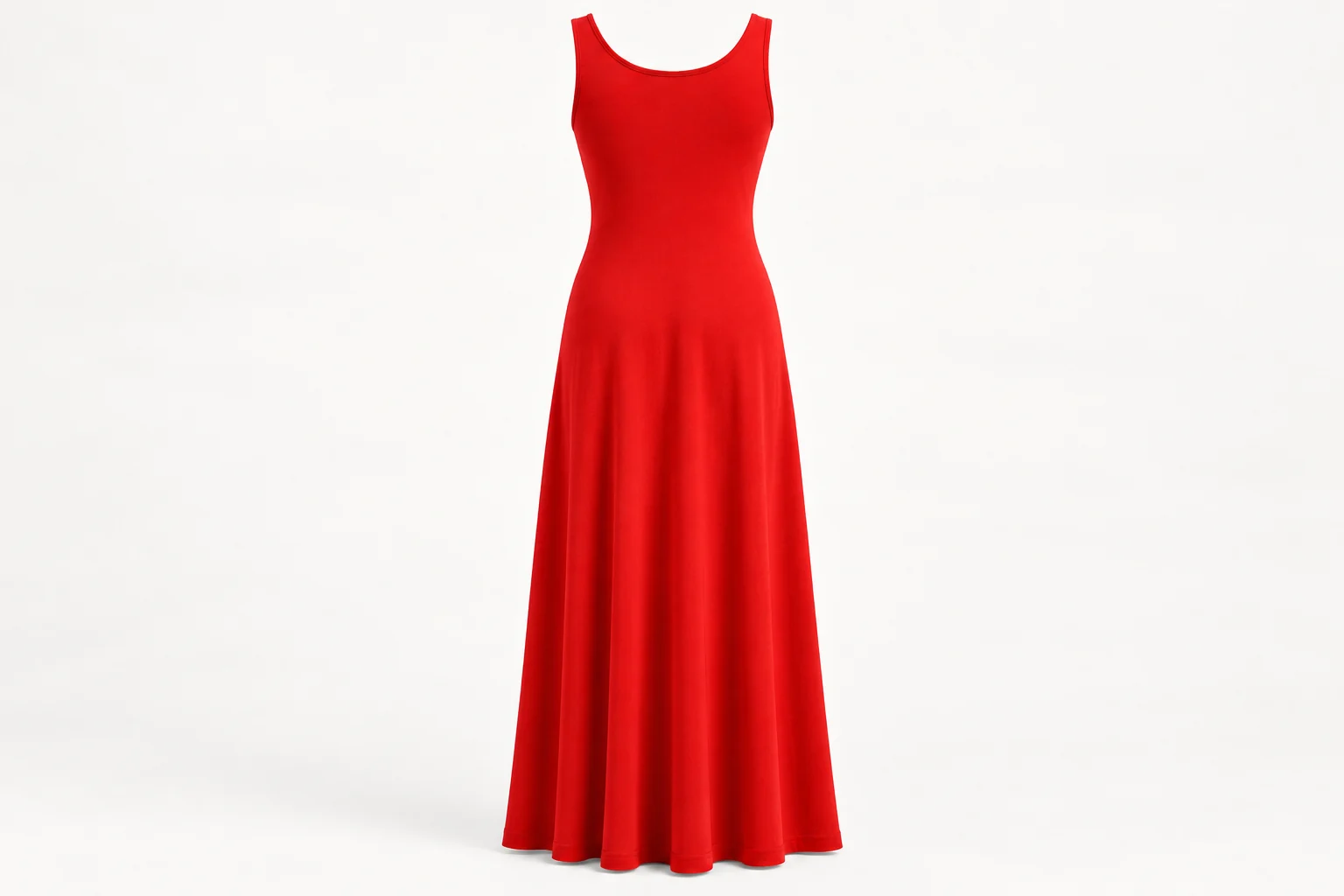
A jersey maxi dress needs an explicit hem position, not only the word long. Specify the intended wearer reference, footwear and clearance above the floor, together with the planned body shape and sleeve construction. Show whether the silhouette falls straight or gains width towards the hem. These decisions distinguish a public-facing long dress from a nightdress or a close bodycon style. A material cutting cannot reveal where the completed hem will settle, so the selection brief should state which full-length garment observations the buyer expects before accepting a fabric route.
Let the entire panel participate in the comparison
Make the first meaningful comparison at the intended dress length using identified material and a documented starting pattern. A shortened prototype removes part of the mass and shape that the upper garment must carry. Assess the front, back and side without pulling the hem into a preferred position. Record whether the observed fall suits the design rather than attributing a fluid look automatically to a fibre name. The comparison should identify the actual article, offered weight and finish; a later sample in another nominal option cannot simply inherit the first garment's appearance decision.
Develop the shoulder and neckline as the upper support system
Ask the garment maker to show how the intended shoulder seam, neckline finish and any specified reinforcement are assembled. Inspect whether the long body changes the upper opening's position during the agreed wearing observation. If a correction is needed, identify whether the next trial changes pattern balance, assembly or material. Do not insert a rigid support merely because the dress is long. Coats discusses component and sewing compatibility when investigating seam appearance; that provides a reason to assess the actual junction, not a tested solution or a fixed reinforcement rule for these catalogue fabrics.
Coats: Eliminating Seam Puckering — Sewing and component compatibility are relevant when investigating seam appearance. Does not establish a shoulder reinforcement rule, hanging period or maxi-dress result for these fabrics.
Review walking room without silently changing the design
Evaluate ordinary walking and sitting in the complete dress with the chosen footwear. Observe the lower panel and hem as well as the upper fit. If the proposed silhouette restricts the intended stride, ask the pattern team whether the width or another construction choice needs revision. A slit should be sampled only when it is actually specified, with its position and finish shown. Do not assume that a stretch-containing body will provide unlimited walking ease. A full-length movement review addresses this maxi dress rather than borrowing confidence from a comfortable short jersey top.
Catalogue starting points
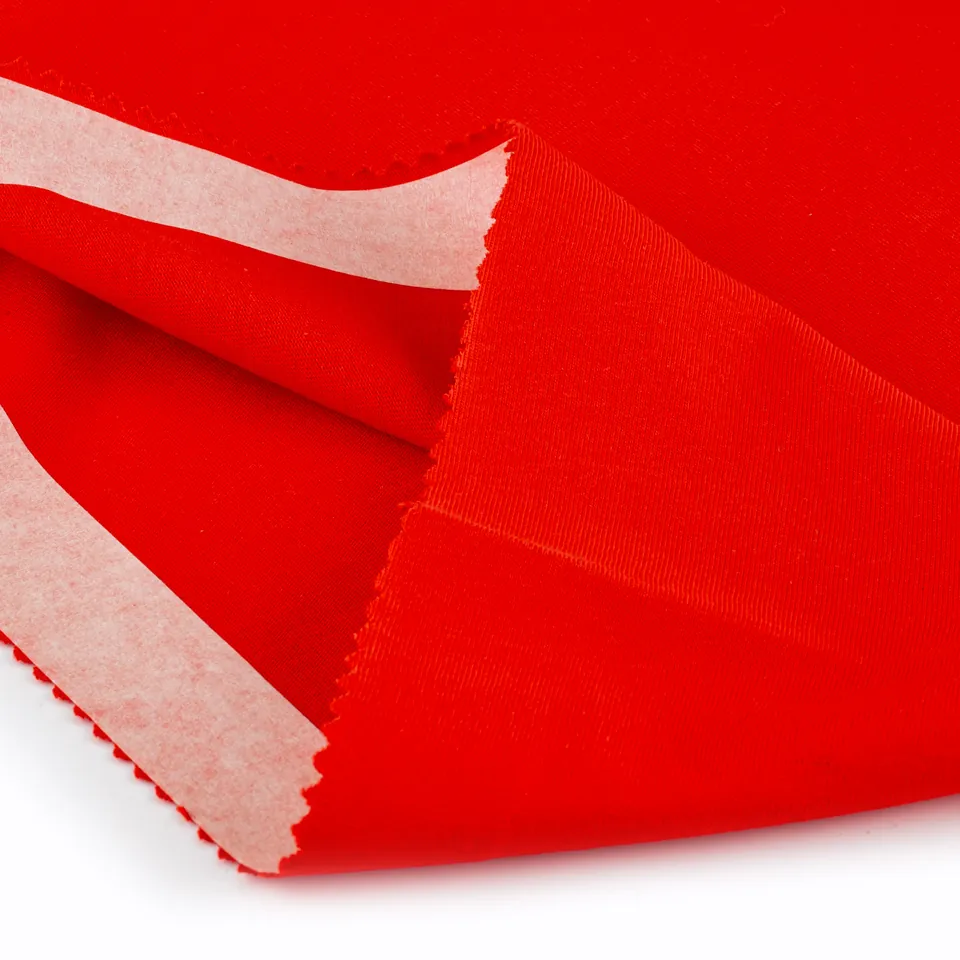
SJ-103 is recorded as 95% viscose 5% elastane at 160, 170, 180, 190, 200 g/m² with Bio-polish + silicone finishing. SJ-104 is recorded as 95% modal 5% elastane at 150, 160, 170, 180, 190 g/m² with Bio-polish + soft hand finishing. Those facts do not establish drape, shoulder growth, opacity or stable floor clearance for a particular dress. Confirm the actual offered weight, usable width and finish. Neither the modal description nor the soft-hand finish wording is evidence that the completed long garment will retain its intended dimensions.
Resolve any lining as part of the long silhouette
If the design includes a lining, identify its intended length, pattern, material and attachment points before judging the outer fabric. A shorter lining can be a deliberate choice, but its visible relationship with a long outer panel needs approval in the actual colour and outfit. If the dress is unlined, assess that stated design under agreed conditions rather than adding an unseen inner layer to rescue a photograph. Review whether the proposed layers move acceptably together during walking and sitting. These are sample decisions, not guarantees of opacity or comfort derived from GSM alone.
Choose a full-length result with a repeatable reference
Retain the accepted dress length, footwear reference, shoulder construction, material sample and any lining details in the selection record. Identify observations that remain provisional, such as an approved panel appearance while after-care clearance still needs assessment. If the brand adds another length option or changes the hem width, revisit the affected trial instead of treating the same article code as automatic approval. The material decision should explain the long jersey dress that has actually been developed, with the evidence boundary visible and no universal drape, stability or coverage promise substituted for it.
Technical background and scope
This is a structured editorial draft. Garment-specific development advice is paired with existing catalogue records; compatibility must be established by sampling. AL KUMAŞ supplies fabric. Cutting, sewing and finished-garment production are separate unless explicitly agreed.