





Send separate bodice and skirt construction information
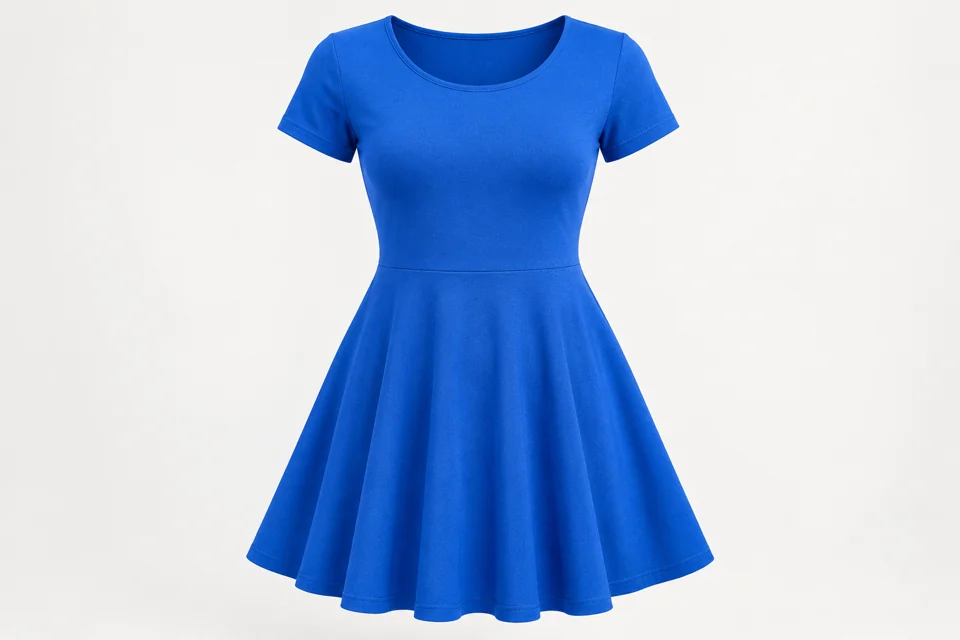
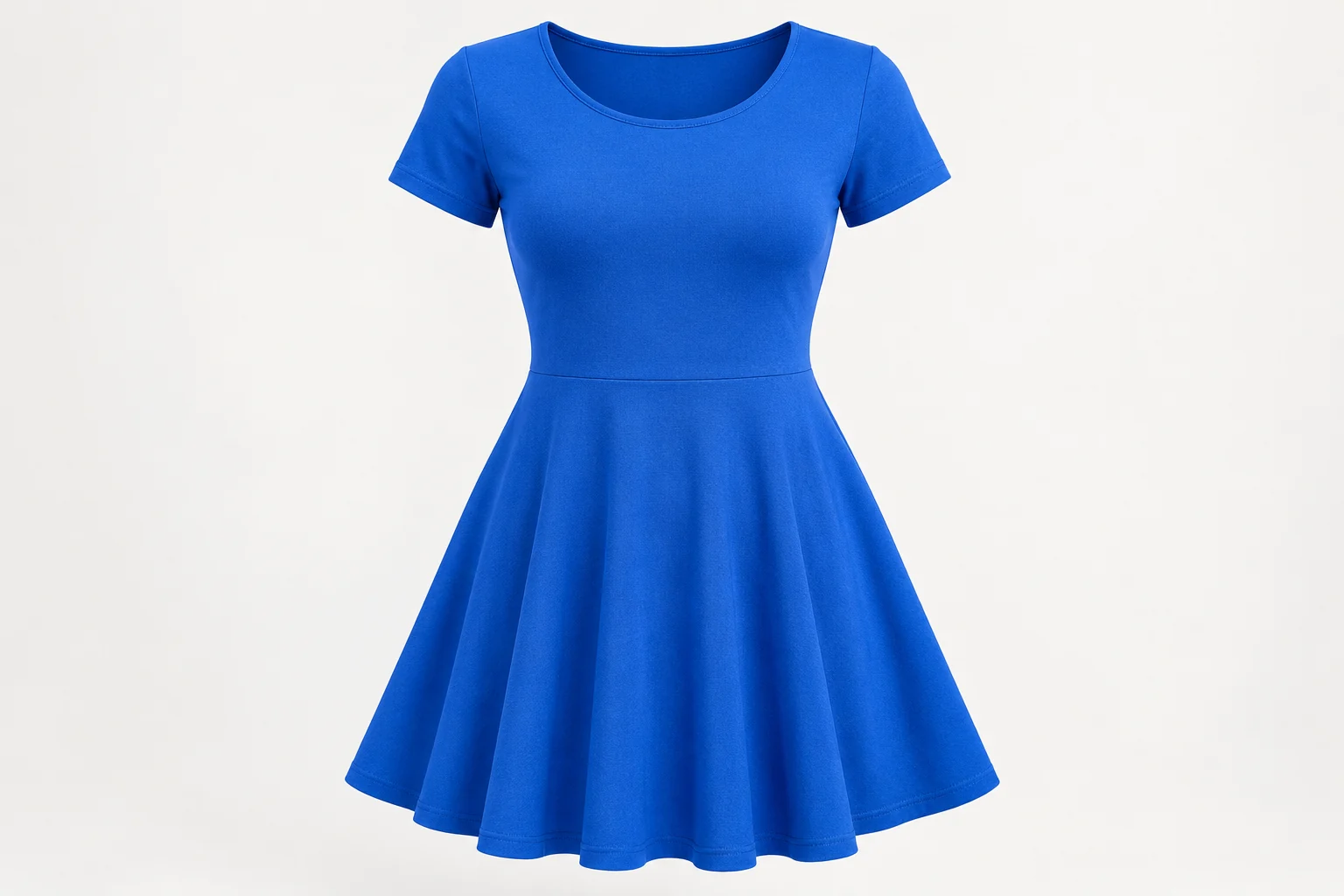
Provide front and back technical drawings that identify the fitted bodice, waist-seam position, skirt length and intended sweep. State whether flare is formed through shaped panels, gathering or another actually specified method. Add sleeve and neckline-facing details where they belong to the design. If two skirt variants remain under consideration, label them clearly instead of asking for one generic skater-dress quotation. The fabric supplier should understand the material comparison, while the garment maker should have enough construction information to develop and cost the joined silhouette rather than infer it from a fashion photograph.
Turn the waist junction into a focused sample request
Ask the garment maker to assemble the proposed bodice and skirt with the actual seam and any specified support. Explain whether the unresolved question concerns bulk, waist position, skirt fall or another observed issue. A useful comparison could hold the pattern and junction constant while evaluating the two body routes, with any necessary pattern correction documented afterwards. Do not request an undefined premium drape or a guaranteed recovery fabric. The request should make clear which decision the buyer expects to take from the trial and which team is responsible for interpreting the result.
Catalogue starting points
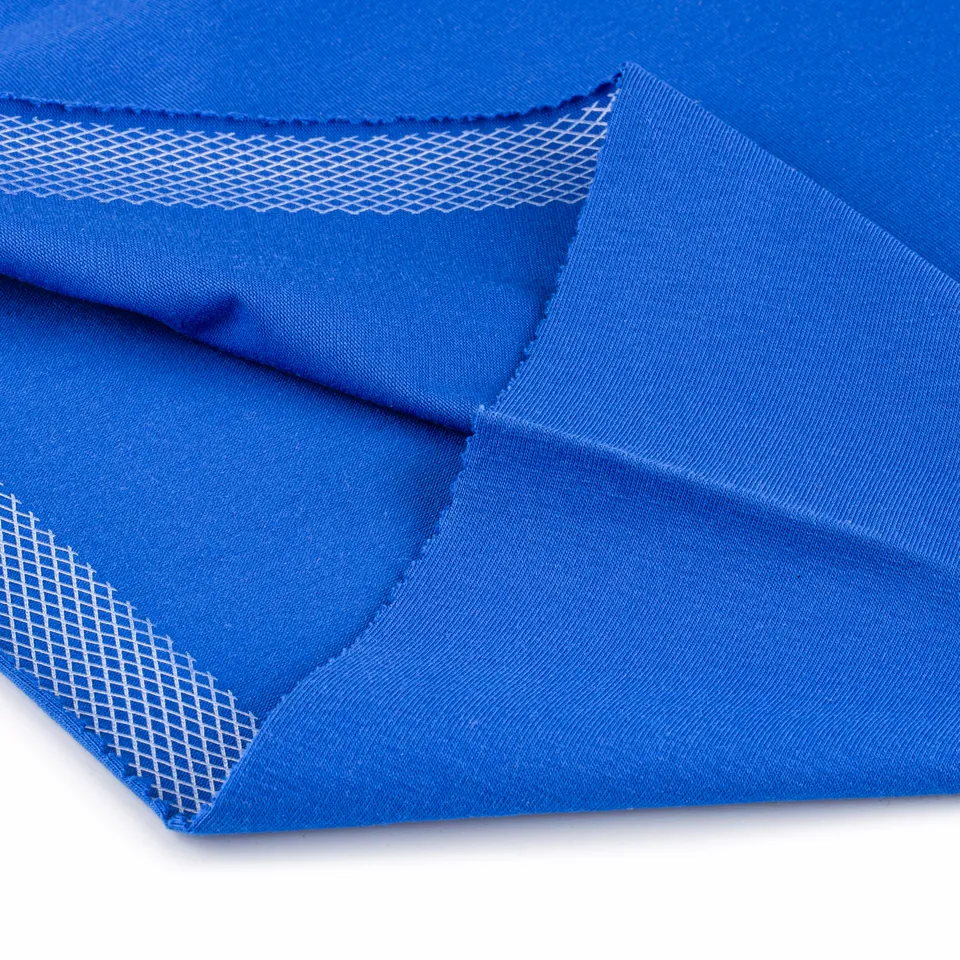
The requested SJ-102 route is recorded as 95% cotton 5% elastane at 170, 180, 190, 200, 210 g/m² with Enzyme + compacted finishing. The second requested body option, SJ-103, is recorded as 95% viscose 5% elastane at 160, 170, 180, 190, 200 g/m² with Bio-polish + silicone finishing. Identify the weights wanted for the first comparison and request current offered width, format and finish confirmation. These records do not confirm available stock, commercial minimums or complete dress production. Keep any alternative offered by the supplier separate from the sampled and accepted specification.
Assign the bodice, skirt and facing cost responsibilities
Clarify whether the body and skirt use one material or a deliberately separate proposal; do not assume that a two-material design is included in the initial comparison. Ask who supplies neckline or armhole components, any actual waist support, lining, labels and decoration. Have the garment maker identify which operations and materials are included in its cost. CottonWorks treats auxiliary components as part of garment construction. Applied here, the practical requirement is a complete responsibility map so an outer-fabric quote cannot be mistaken for a bodice, skirt, facing and assembly package that nobody has offered.
CottonWorks: Garment Construction — auxiliary components — Garment assembly includes auxiliary materials. Bodice, skirt, facing and waist-support responsibility allocation is editorial recommendation, not an asserted AL KUMAŞ production or component-supply service.
Request costed flare and length variants transparently
Give estimated quantities with units, size ratio, colour or print and the specific skirt versions being considered. Ask the cutter to calculate the complete panels and smaller components at the confirmed usable width. Show direction or matching requirements for artwork at the waist seam and skirt panels. If one version uses gathers or another facing, request its construction and cost separately instead of blending all versions into one material allowance. Keep sample quantities distinct from a proposed bulk forecast, and request the relevant charges, minimums and timing for each actual supply.
Coordinate fit, decoration and care decisions before release
Assign reviewers for bodice fit, waist junction, moving flare, hem balance and the agreed care observations. If a print crosses the waist seam, coordinate the pattern, decorator and cutting assessment rather than approving artwork independently. Request any available evidence tied to the actual article and finish, with appropriate specialist interpretation where quantified results are needed. Neither a viscose description nor a five-percent elastane figure establishes the complete dress's drape or recovery. Record missing evidence and unresolved construction questions as release items, not sales assurances to be added because the material sounds suitable.
Accept a commercial configuration that matches the sample
Return the selected bodice, skirt, facing and layer references with the delivery destination, requested timing and questions on price basis, packing, payment and delivery terms. Require exceptions to be stated and connect the agreed offer to the same pattern and sample record used by the garment maker. If the brand later changes sweep, gathers or waist placement, identify who revises the costing and qualification work. This gives procurement a concrete skater-dress configuration and a defined next decision while avoiding invented factory services, universal performance promises or unconfirmed production commitments.
Technical background and scope
This is a structured editorial draft. Garment-specific development advice is paired with existing catalogue records; compatibility must be established by sampling. AL KUMAŞ supplies fabric. Cutting, sewing and finished-garment production are separate unless explicitly agreed.