





Track the trial material in sleeves and body
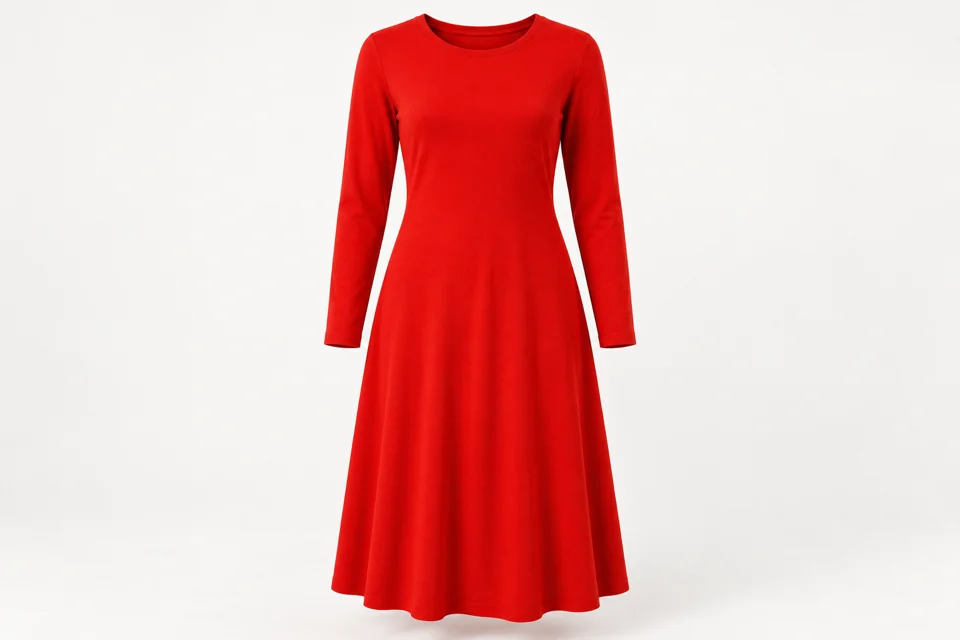
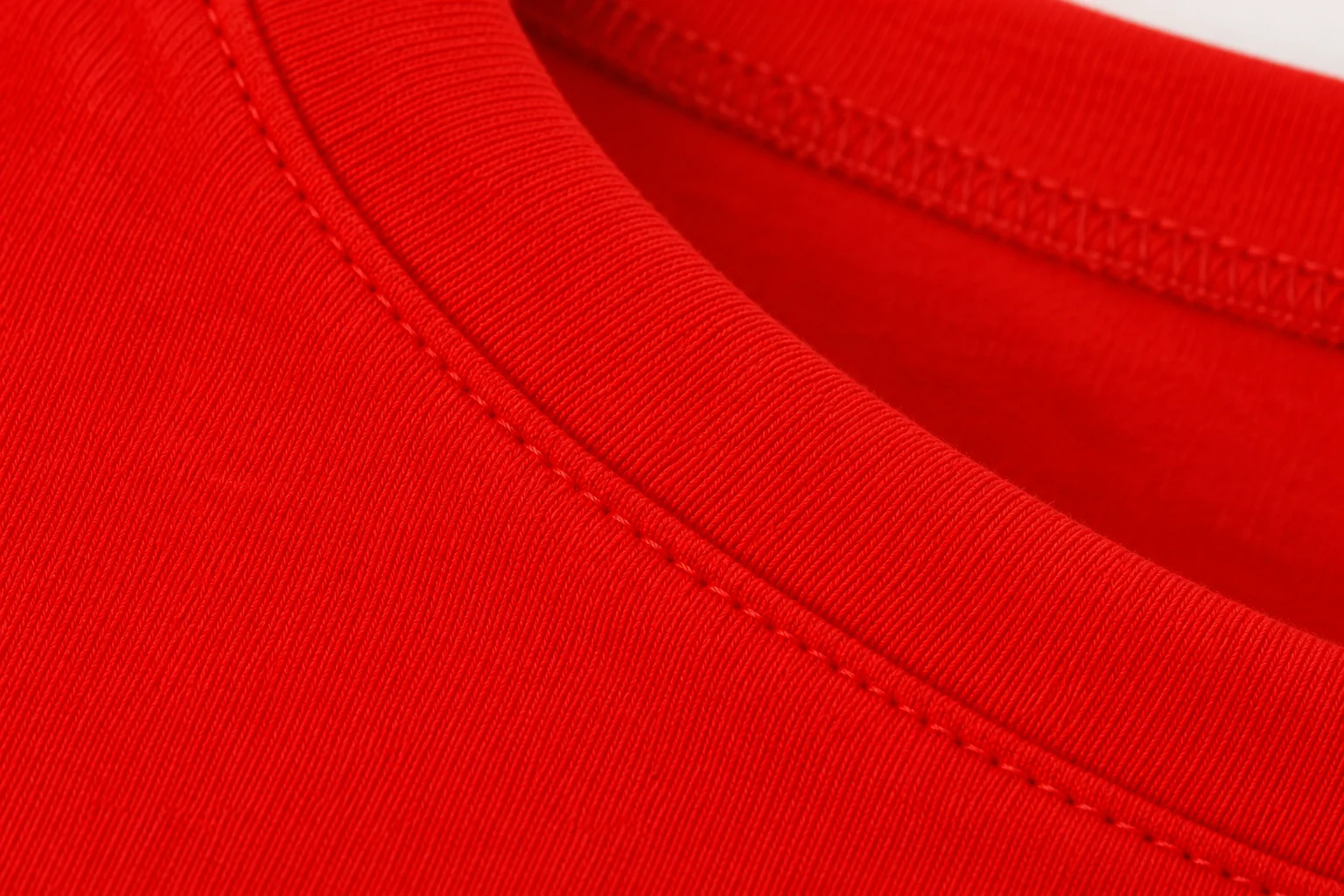
Label the sample with the actual body article, weight, finish, supply identity, pattern and dress length. Record both sleeve references, armhole construction, wrist finish and any specified lining. If a sample-room substitute is used in a sleeve or component, make that limitation explicit before fitting. A complete dress made from unidentified cuttings cannot reliably qualify the intended body-sleeve combination. Establish front, back and side reference views with the arms relaxed so later observations about lift, twisting or changed seams have a documented starting position rather than a styled photograph alone.
Review elbow bending without disguising sleeve travel
Have the wearer bend and straighten the elbow in a sequence selected for the intended use, noting where the sleeve hem or cuff settles. Observe the upper arm, elbow and forearm separately and ask whether the material or seams feel unacceptable in the proposed fit. Do not pull the sleeve back into position between every view before recording its behaviour. The pattern technician should interpret a local issue rather than automatically widening the entire sleeve or tightening its wrist. A pleasant body cutting cannot establish how the completed long sleeve will behave in these positions.
Watch the dress when the arms reach and rise
Assess ordinary reaching and arm raising while observing neckline position, shoulder, armhole, side seam and hem. Record the particular location and condition of any unexpected body lift. Compare the result with the intended dress silhouette rather than treating all movement as a defect. If a correction is needed, isolate the proposed sleeve, armhole or balance revision and repeat the relevant observation. Do not select a more fluid-sounding fibre as a substitute for investigating the construction. These are development findings for the tested configuration, not certified mobility or universal comfort claims.
Locate sleeve and side-seam rotation separately
Inspect where the sleeve seam sits in the neutral view and after movement, then compare the dress's side seams. Note whether a visible change affects one sleeve, both or the body too. CottonWorks discusses skewness as a dimensional appearance issue that can displace garment parts, but that does not diagnose the current sample from one photograph. Ask the technical team to consider pattern orientation, material, cutting and assembly evidence before naming the cause. Retain paired views so a later care trial or controlled revision can be compared with the original positions.
CottonWorks: Quality Testing — skewness — Skewness can affect garment appearance and part alignment. Does not diagnose a particular sleeve from a photograph, prescribe a machine adjustment or provide a torque-resistance result.
Catalogue starting points
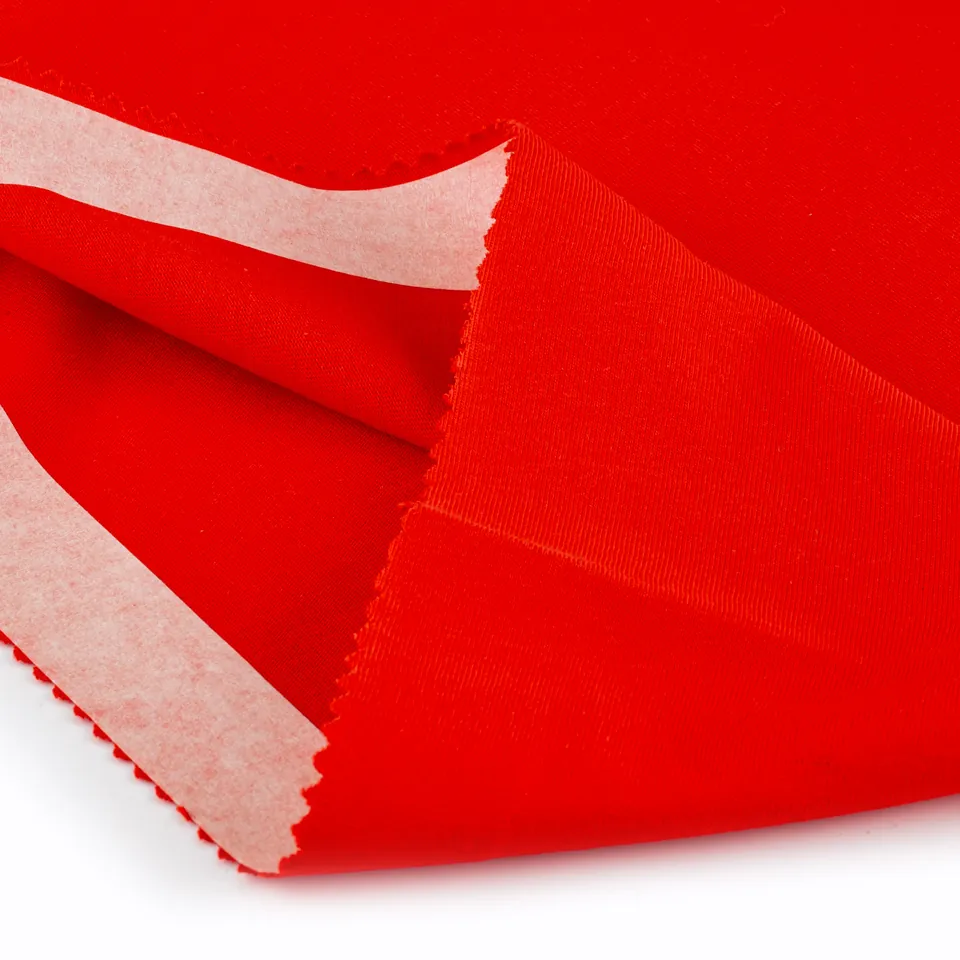
For this trial, SJ-103 is the listed 95% viscose 5% elastane route at 160, 170, 180, 190, 200 g/m² with Bio-polish + silicone finishing. SJ-102 is the listed 95% cotton 5% elastane comparison at 170, 180, 190, 200, 210 g/m² with Enzyme + compacted finishing. No sleeve-torque, elbow-recovery, complete-dress drape or care-alignment report accompanies those entries. Keep the actual offered option and temporary components identified. The shared elastane percentage does not establish interchangeable movement or post-care behaviour between the two material-pattern assemblies.
Repeat the alignment review after agreed care
Agree the care and measurement procedure with the responsible quality team. Record sleeve length, relevant widths, body length, neckline position and seam references before exposure, then repeat those measures in a documented garment state. Compare relaxed-arm and selected movement views afterwards rather than relying only on a flat ruler result. Inspect the wrist finish and any lining relationship too. A change needs programme-specific interpretation and an identified corrective proposal; neither catalogue finish label provides an acceptance percentage or proof that the complete dress will retain its initial alignment.
Release only the movement and care decisions actually checked
Connect each issue to the observation, proposed correction and repeat review. An illustrative sample could meet the neutral body-line target but show unacceptable sleeve displacement after care; approval of the first front photograph would not resolve that finding. Keep earlier and revised samples together and state the actual sizes, colours, material and sleeve construction assessed. If the brand changes wrist treatment, armhole or body length later, identify the relevant checks to repeat. The release should describe a reproducible long-sleeve dress configuration without expanding into guarantees of torque resistance, recovery or unrestricted movement.
Technical background and scope
This is a structured editorial draft. Garment-specific development advice is paired with existing catalogue records; compatibility must be established by sampling. AL KUMAŞ supplies fabric. Cutting, sewing and finished-garment production are separate unless explicitly agreed.