





Open an alignment case against an identified trial
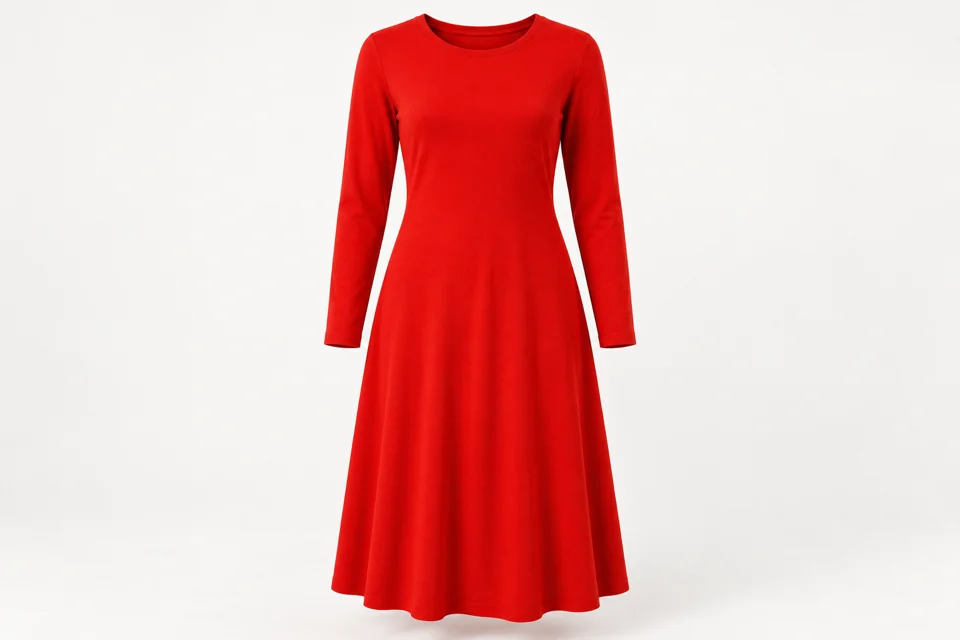
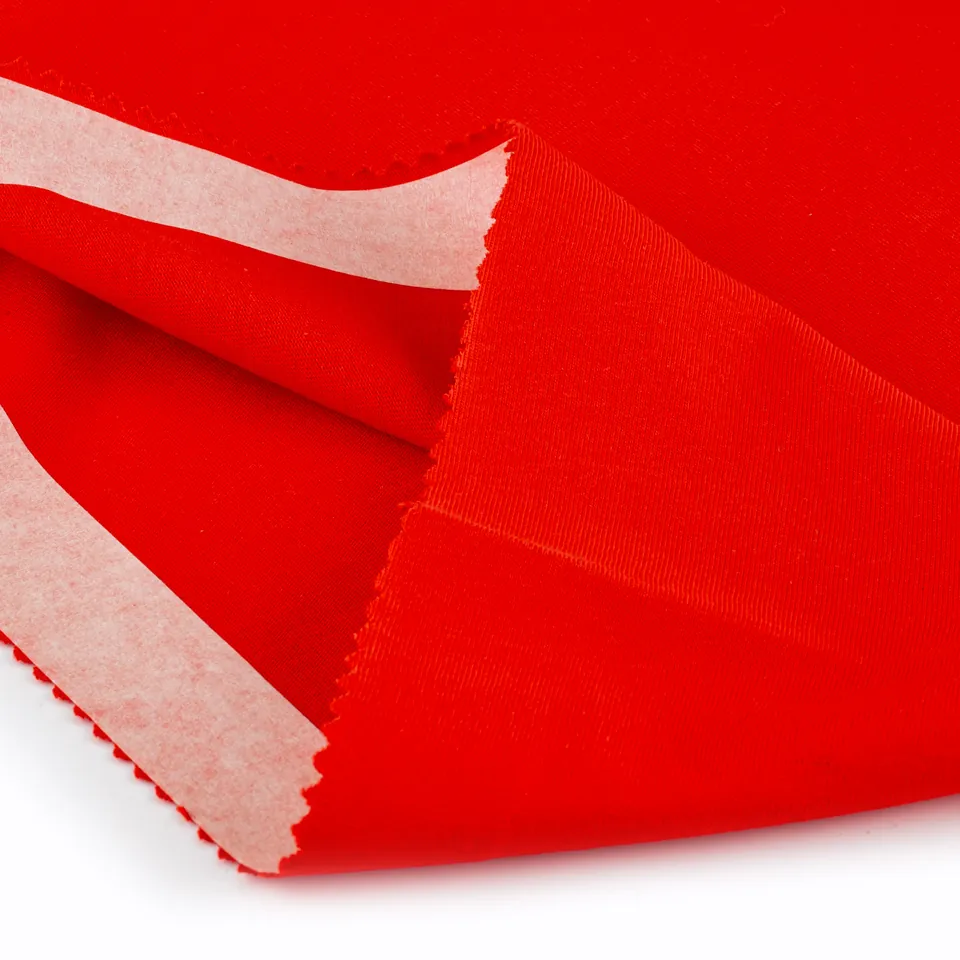
Send the garment maker an alignment investigation, not a fresh generic fabric quotation. Start its case record with sample identity, body and sleeve pattern versions, size, dress length and trial supply. SJ-103 records 95% viscose 5% elastane at 160, 170, 180, 190, 200 g/m² with Bio-polish + silicone finishing; SJ-102 records 95% cotton 5% elastane at 170, 180, 190, 200, 210 g/m² with Enzyme + compacted finishing. Identify the option actually sewn and any substitute. Those catalogue facts cannot diagnose rotation or body lift, and a change of fibre is not yet an agreed corrective action.
Give sleeve rotation and body movement separate landmarks
Have the sample team identify corresponding sleeve-seam positions at the elbow and wrist, plus body-side-seam and hem reference points. Photograph front, side and back in the same neutral stance before movement, without turning a sleeve to make it look straighter. Keep left and right observations separate. Record how each landmark is defined so another reviewer can locate it on the sample; do not rely on a vague note that the arm twists. This creates a usable visual baseline for the actual garment, not an invented laboratory torque test or an assumption that seam position alone reveals the cause.
Separate elbow-to-wrist travel from dress-hem lift
Request two labelled observation sets. In the first, the wearer bends and straightens the elbow using the agreed fitting sequence; record the sleeve-end position and whether the lower sleeve returns without manual adjustment. In the second, use the intended forward reach or arm raise and record the neckline, armhole, side seam and dress hem as well as the sleeve. State the actual positions reviewed rather than imposing a universal test angle. A wrist that moves while the body line remains similar raises a different development question from a whole dress that lifts with the arm; neither observation by itself identifies a defective fabric.
Route the finding to a specific technical question
Send the pattern developer the landmark views and ask whether sleeve pitch, elbow ease, armhole or body balance needs a controlled revision. Send the sewing technician the actual junction and seam references, asking which assembly comparison could investigate unequal travel or local distortion. Coats explains that unequal feeding can contribute to seam puckering; that is a possible investigation route, not proof that feeding caused rotation. If the issue appears only after the agreed care exposure, give the material supplier the article, finish, supply identity and before-and-after record, and ask what relevant dimensional evidence is available.
Coats: Eliminating Seam Puckering — feed pucker — Unequal feeding can contribute to seam puckering. It is presented only as an investigation route, not a diagnosis of sleeve rotation or a universal adjustment.
Ask every recipient for correction evidence rather than reassurance
The pattern response should identify the changed pattern reference and the observation it is expected to address. The sewing response should name the compared construction or process variable and retain its trial sample. The material response should distinguish supplied test evidence from a proposed alternative, with the applicable method and conditions visible. CottonWorks discusses skewness as potentially displacing garment parts after laundering; this does not establish that the present sleeve has a material-origin fault. Keep hypotheses labelled until the comparison supports a decision, and avoid simultaneously replacing the body, sleeve shape and seam system when trying to understand one unresolved finding.
CottonWorks: Quality Testing — skewness — Skewness can displace garment parts after laundering. This general description does not establish the origin of the current finding or supply a test result for either article.
Return a correction brief that the sample room can execute
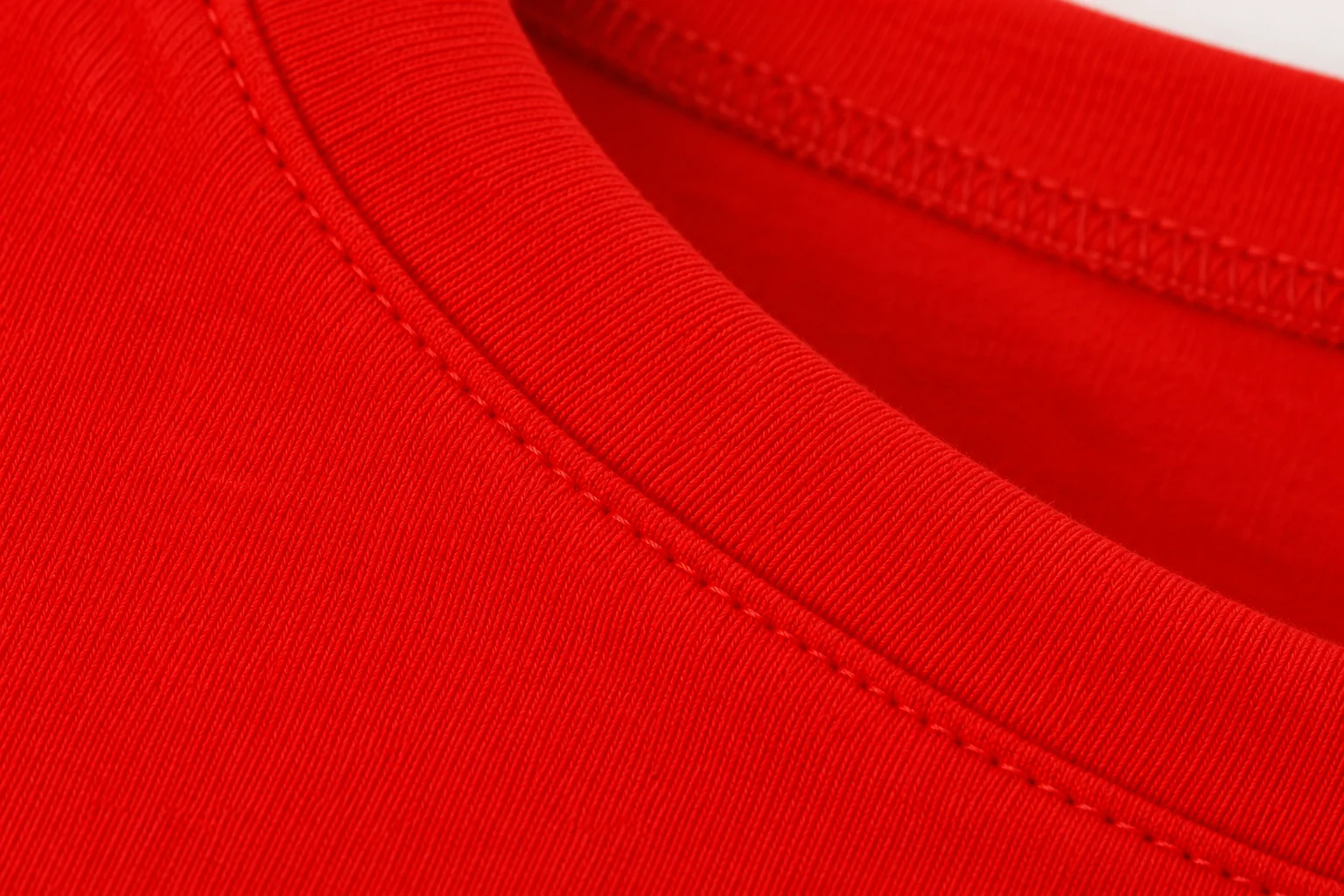
Consolidate the replies into a short instruction: case reference; unchanged control sample; one identified revision; material and component identity; the exact elbow or arm-raise views to repeat; and the decision owner. Attach the earlier photographs beside the proposed trial, not an unrelated dress image. If the relevant problem is sleeve rotation, retain the independent sleeve and body landmarks rather than reporting only a new overall length. If the correction affects a cuff or neckline, state whether those areas need another review too. This handoff specifies the evidence needed to close the case without pretending the suggested correction is already approved.
Cost the targeted retest before reopening the programme
Ask for the material quantity, sample-making work, technician review and any specialist testing needed for that defined correction, with charges and timing confirmed by the responsible parties. Separate a trial cost from a proposed bulk-pattern or component-cost change. A new sleeve may need another marker calculation; a controlled sewing comparison may leave the panel outlines unchanged. Request only the relevant recalculation and repeat observations, while retaining any genuinely unaffected approvals. Close the case with the accepted revision, its evidence and remaining limitations. Do not turn a successful targeted retest into universal recovery, torque-resistance or unrestricted-movement claims.
Technical background and scope
This is a structured editorial draft. Garment-specific development advice is paired with existing catalogue records; compatibility must be established by sampling. AL KUMAŞ supplies fabric. Cutting, sewing and finished-garment production are separate unless explicitly agreed.