



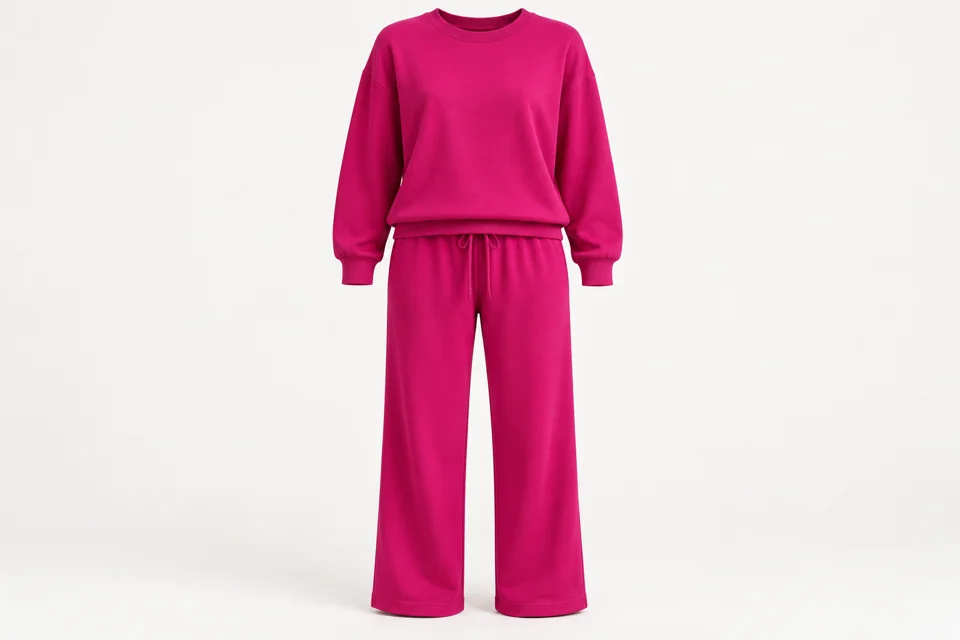

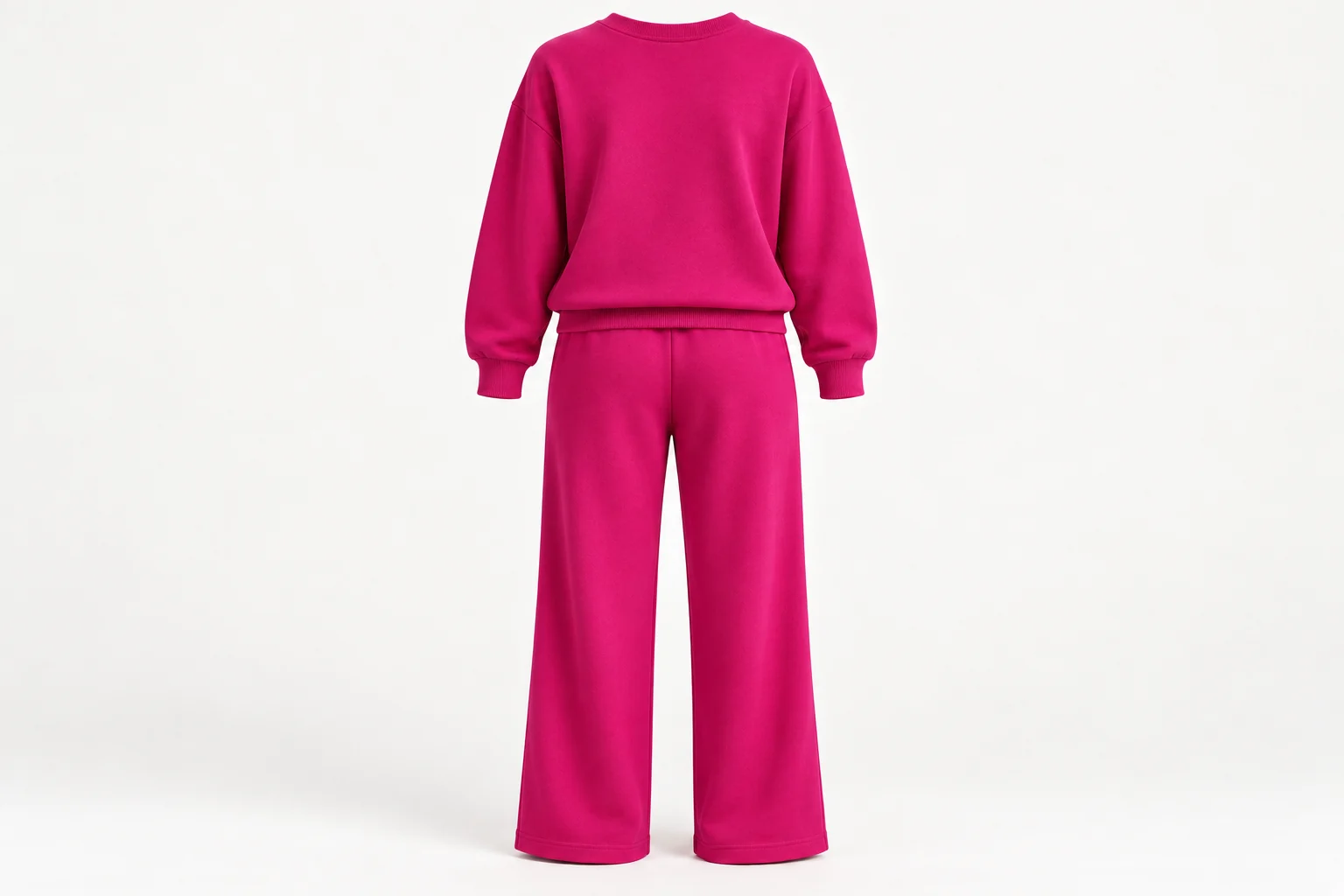

Issue a paired-set release card rather than two item orders
Create one proposed release card that names the top and bottom identities and the relationship approved between them. Its output is a permitted pairing for cutting allocation and appearance review, not a procurement checklist or a log of seam complaints. Link the two pattern revisions, size-pairing rule, body material references and physical set sample. State whether the pieces are sold together or as coordinated separates. Keep the card specific enough that a production team can recognise when a seemingly acceptable replacement top does not belong to the bottom currently allocated to it.
Put both body specifications on the same card
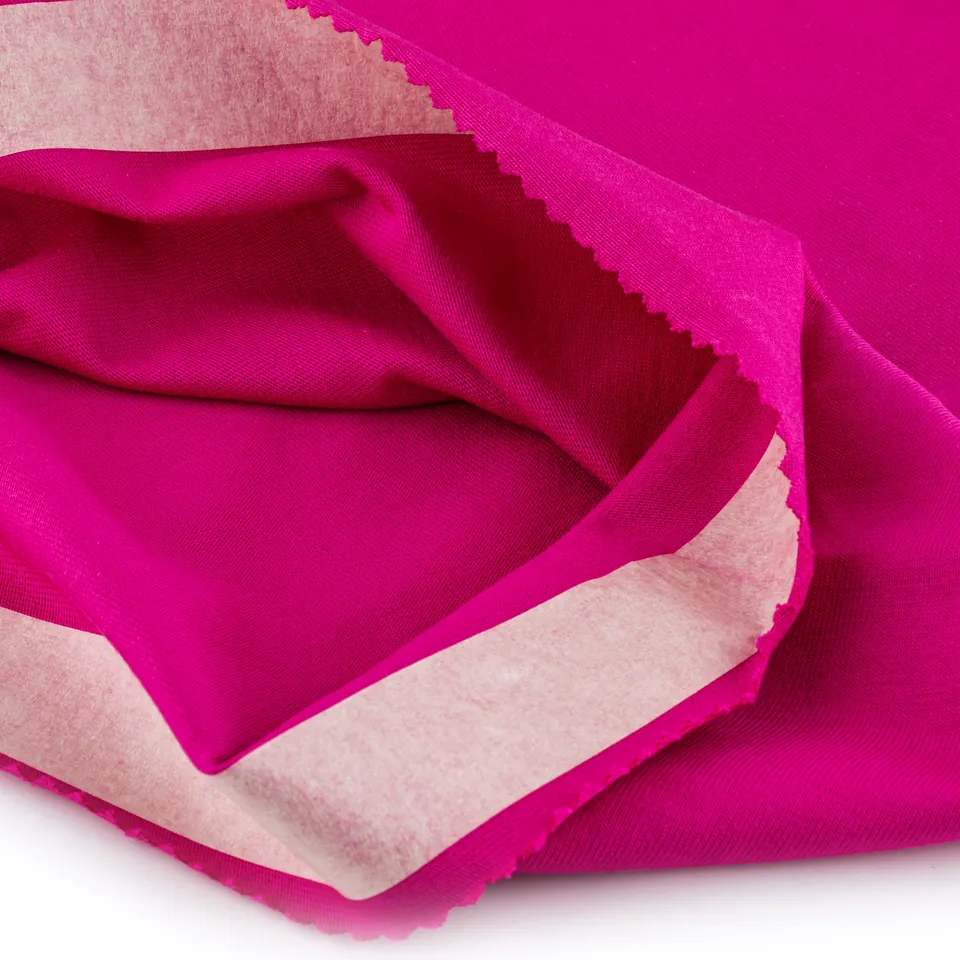
SJ-104 is 95% modal and 5% elastane single jersey, Bio-polish + soft hand, with 150, 160, 170, 180 and 190 g/m² options. SJ-103 is 95% viscose and 5% elastane single jersey, Bio-polish + silicone, at 160, 170, 180, 190 and 200 g/m². Identify the offered article and weight for each piece, even if both are the same. Add actual sample and material-group references supplied by the relevant parties. Those fields preserve provenance; neither identical elastane content nor a finishing name establishes an approved colour or drape relationship.
Define the material-group pairing permission explicitly
Have the buyer and responsible production team identify which proposed material groups may be paired after the agreed appearance review. For a hypothetical release, group A tops might be accepted with group A bottoms while a proposed group B bottom remains unreviewed. That is an example of a controlled permission, not a description of AL KUMAŞ inventory or a guarantee that every group A item matches automatically. The card should show the assessed reference, decision owner and any hold. Do not allow an unreviewed shortage substitution simply because its article and colour names are familiar.
Translate size pairing into cutting allocation
State whether one size label always pairs with the same size partner or whether separate-size selection is allowed. Link the corresponding top and bottom quantity schedule and marker revisions. Before a combined marker is used, have the cutter check the actual ratio and direction constraints, rather than assuming an efficient matched-size layout serves every order. A shortage of one partner should appear as an incomplete set allocation, not disappear within a total garment count. This gives purchasing and cutting a concrete output: how many of each approved pair can be assembled from the proposed allocation.
Attach the paired appearance reference at the release gate
Retain the approved worn or displayed set reference, the governing physical colour samples and any artwork or orientation instructions. Record the intended top-to-waist relationship and the actual sizes reviewed. CottonWorks includes fitting developed knit material beyond its fabric-stage approval; the set card extends that logic by retaining the pair that was evaluated. Separate piece-level construction acceptance from paired appearance acceptance. If the top is replaced, require the relevant comparison with its intended bottom before releasing that new combination, rather than inheriting a set decision from two disconnected photographs.
CottonWorks: Designing Knit Textiles — Developed knit material is assessed in garment fitting beyond fabric-stage approval. Paired-set card and allocation workflow are original buyer guidance, not a source-prescribed mill system.
Connect the cared pair to the same permission
Attach the defined care-stage results and piece measurements to their actual sample identities, then state whether the paired relationship remains accepted. The release may permit initial cutting planning while a later care or other evidence question stays on hold, but those permissions must be distinct. If an adjusted pattern or replacement component is required, identify whether it changes the permitted pairing or marker. Do not claim a common care outcome from shared fibre content. The card records the programme’s evidence and decisions without inventing a final care label or a tested comfort, sleep or thermal property.
Control substitutions and replacement-piece orders visibly
At final allocation, reconcile material groups, pattern and marker revisions, size combinations and accepted appearance references against the card. Commercial quantity, price and delivery confirmations still require the actual written offer, but do not replace this pairing decision. For a replacement-piece sale or partial repeat, identify the intended partner and obtain the relevant new approval rather than promising an exact future match. The release output should name accepted pairs, held combinations and incomplete allocations clearly. That makes the two-piece marketing promise traceable to a real coordinated programme instead of treating any individually acceptable top and bottom as interchangeable.
Technical background and scope
This is a structured editorial draft. Garment-specific development advice is paired with existing catalogue records; compatibility must be established by sampling. AL KUMAŞ supplies fabric. Cutting, sewing and finished-garment production are separate unless explicitly agreed.