





Use the intended full length from the first controlled review
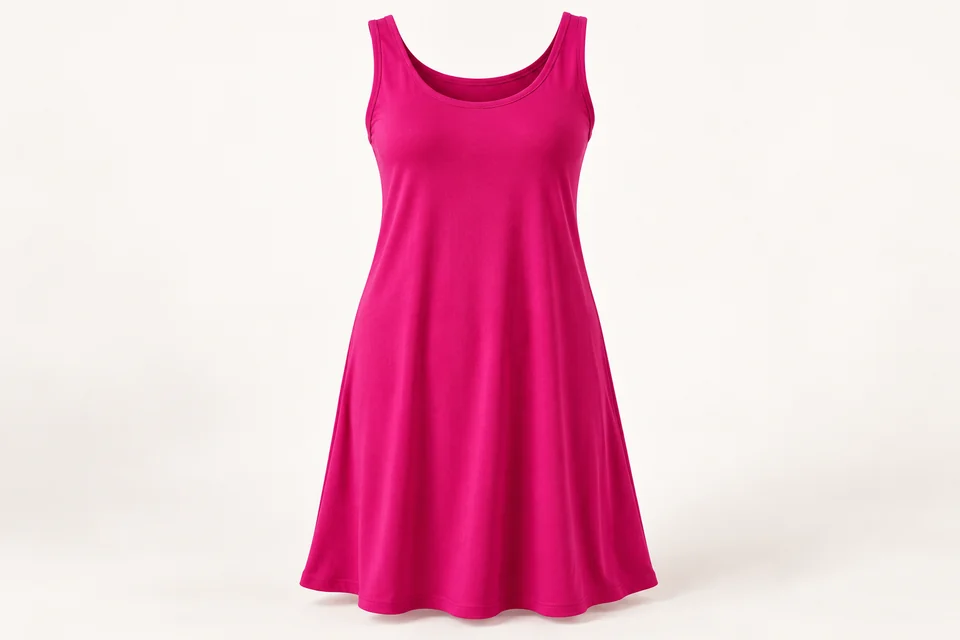
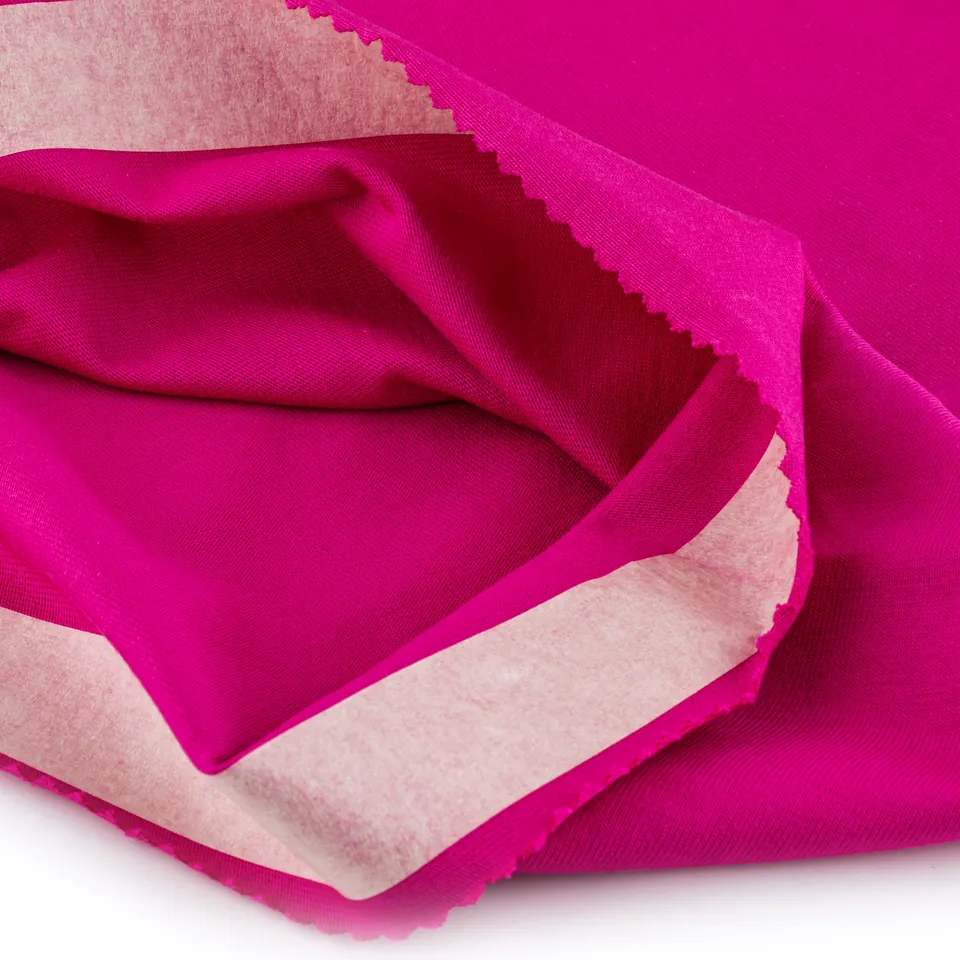
A shortened prototype leaves an important part of the nightdress decision unanswered: how the whole garment hangs from the shoulders or straps. Make the controlled adult sample at the intended length and identify the neckline finish, side seams and label arrangement. Record whether it uses SJ-104, the 95% modal and 5% elastane article with Bio-polish + soft hand, or SJ-103, the 95% viscose and 5% elastane route with Bio-polish + silicone. Mark the offered weight and any temporary components. Those details make it possible to trace the reason for a later fit change.
Observe the upper body before requesting tighter straps
Check where the shoulder seams or strap attachments sit at initial fitting and after an agreed period of wearing the sample. Record neckline depth and side opening position in consistent views. If the front moves down, ask the pattern technician to review front-to-back balance, opening shape and attachment construction before assuming a shorter strap will solve it. A correction can shift another edge, so inspect the back as well. The aim is a stable intended relationship between upper body and length, not simply a smaller opening in the next photograph.
Agree coverage observations that respect adult use
Choose a short review sequence suited to the actual design: sitting, reaching for an object, turning and a relevant resting position. Establish the intended underlayer and the wearer’s consent for any photographs. Note the neckline, armhole and hem observations separately so a single comment such as too revealing becomes actionable. A hypothetical sample may retain front neckline coverage but ride up at a side slit when seated; those are different design questions. These observations support pattern development, not a certified coverage test or an assurance about every wearer.
Investigate contact points as assembled components
Ask the adult fit wearer to identify any unacceptable contact at the shoulder join, neckline finish, label or side seam. Record the location and construction rather than transferring the feedback directly into a claim about fibre softness. Compare a proposed operation on the actual body fabric and retain the original sample for reference. Coats describes several causes of seam puckering, including tension and uneven feeding. If an edge waves or a shoulder join looks distorted, that guidance supports a sewing investigation before a wholesale change of material is made.
Coats: Eliminating Seam Puckering — Tension and feeding are among possible contributors to seam puckering; the source does not validate any nightdress operation.
Give optional slits and lace their own review items
Where a side slit is actually specified, examine the reinforcement at its top and the opening during walking and sitting. If lace is included, inspect its join, width and movement relative to the jersey. Do not add these checks to a plain style as though the features were present. A decorative detail can change both local bulk and visible coverage, so ask the technician which alterations require another fit sample. Keep the approved component reference with the photograph; replacing lace with a visually similar product may change the assembled result.
Measure before and after the intended care procedure
Define nightdress measurement points such as centre-front length, centre-back length, relevant body widths, neckline edge and any strap length. Use the same measurement approach before and after the agreed care and conditioning steps. CottonWorks identifies manufacturing and care among factors affecting textile dimensional change; its cotton-oriented guidance does not provide a shrinkage percentage for these modal or viscose articles. Obtain appropriate article-specific evidence and review the full sewn sample. An acceptable fabric result alone cannot establish the dimensional relationship between a trim, strap and the body after care.
CottonWorks: Shrinkage & Skewing — Manufacturing and care can affect textile dimensional change; cotton-oriented background supplies no article-specific result for modal or viscose.
Release only the decisions the sample actually answers
The sample report should connect observation, proposed correction and verification. For an illustrative case of a hem sitting unevenly, record whether the issue appeared before care, after care or after hanging, then have the technician investigate rather than trimming blindly. Recheck the affected length and upper-body balance in the revised sample. Retain unresolved test or labelling questions visibly. This adult fit record does not prove improved sleep, flammability compliance or children’s suitability. It documents the accepted article, components, pattern and review conditions for the specific nightdress programme.
Technical background and scope
This is a structured editorial draft. Garment-specific development advice is paired with existing catalogue records; compatibility must be established by sampling. AL KUMAŞ supplies fabric. Cutting, sewing and finished-garment production are separate unless explicitly agreed.