





Decide whether decoration belongs in the night top at all
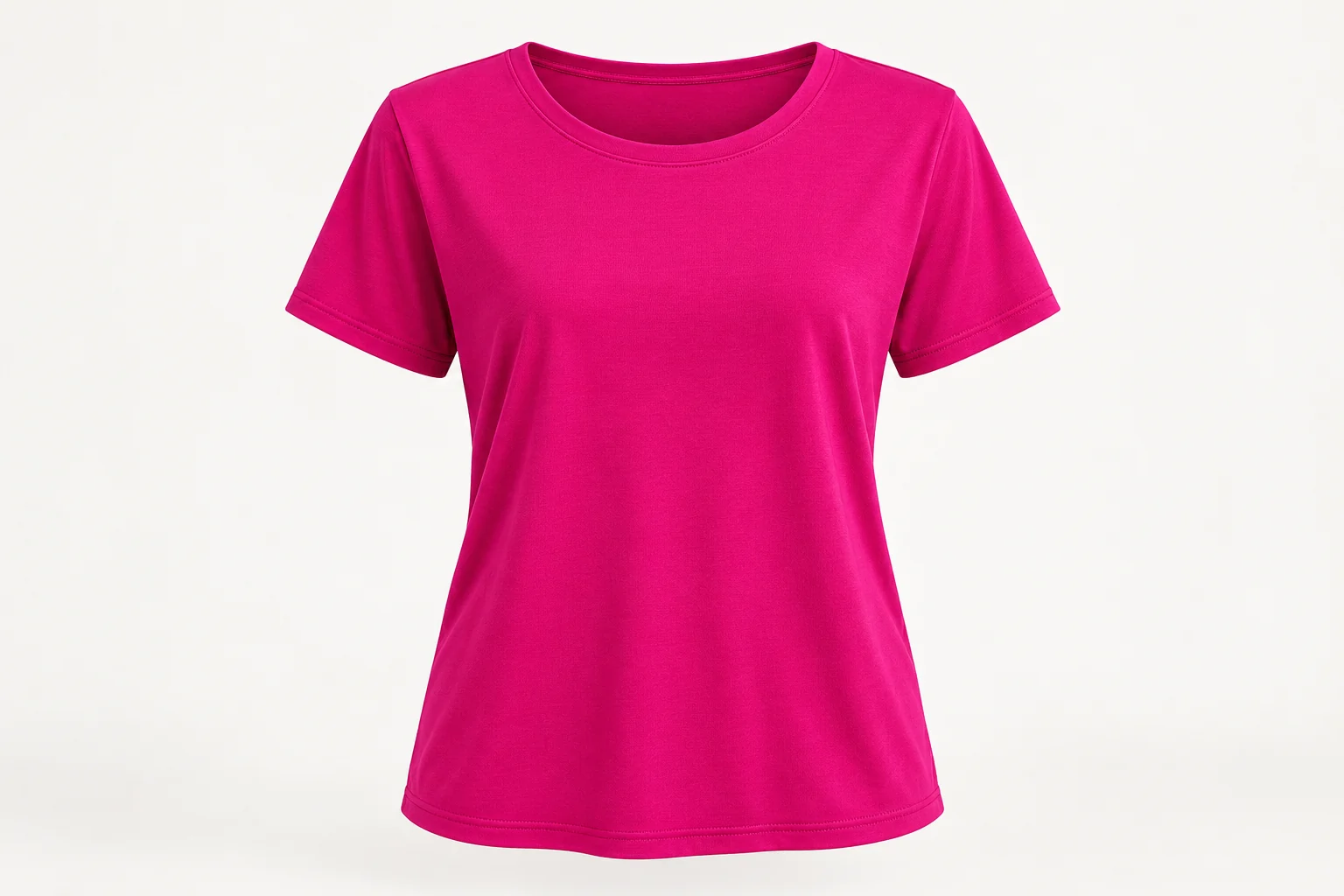
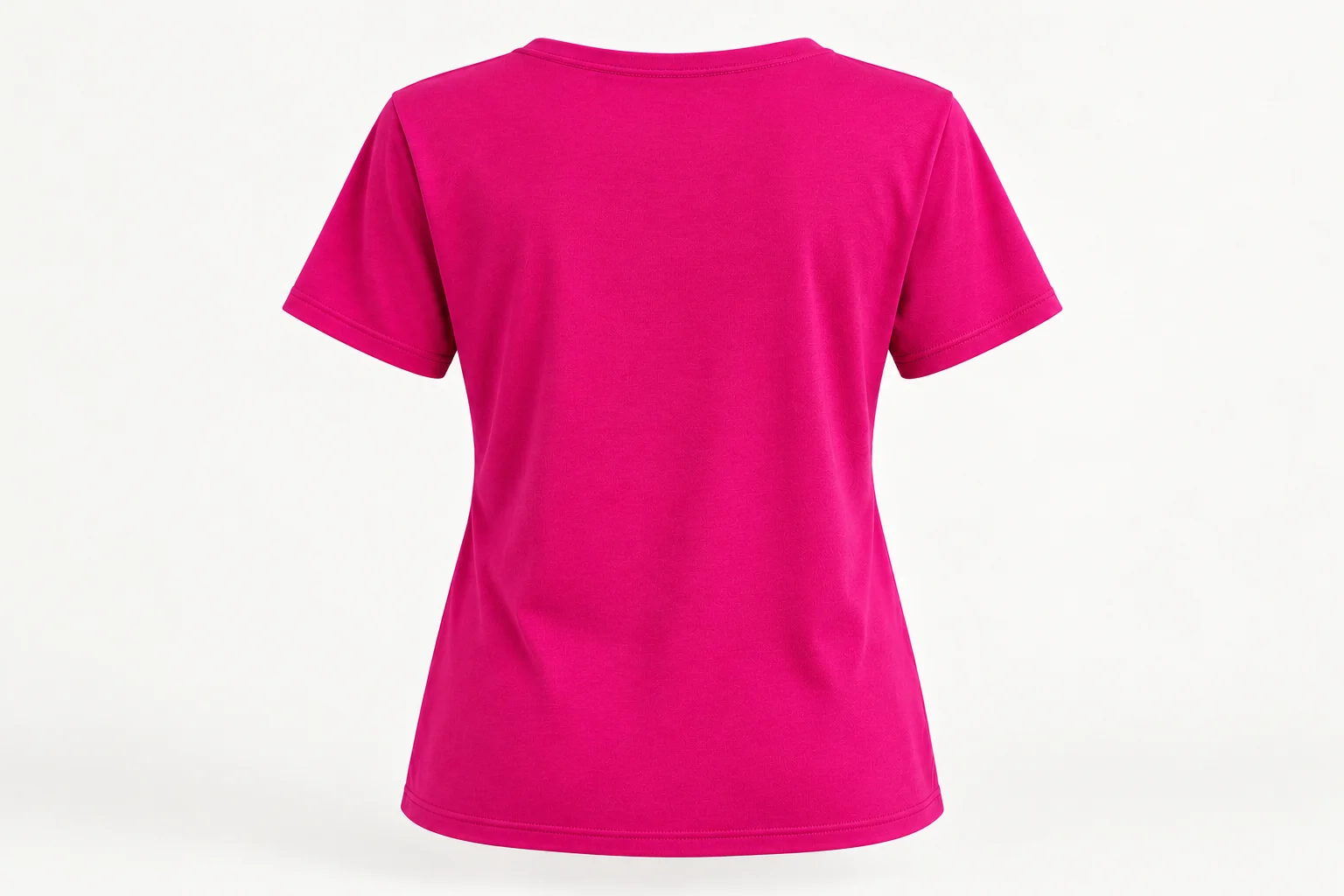
A pyjama T-shirt can communicate its design through a solid colour, a small placement, an all-over repeat or another explicit treatment. Make that choice before artwork development rather than adding a large front print by default. Show the sleeve and neckline finishes beside the intended motif, and identify the adult layer combination. A design that works on a daytime graphic tee may create a different inside surface or visual weight on a night top. A plain comparison is useful where the buyer is deciding whether decoration contributes enough to justify the additional sample questions.
Attach the substrate and finish to every application request
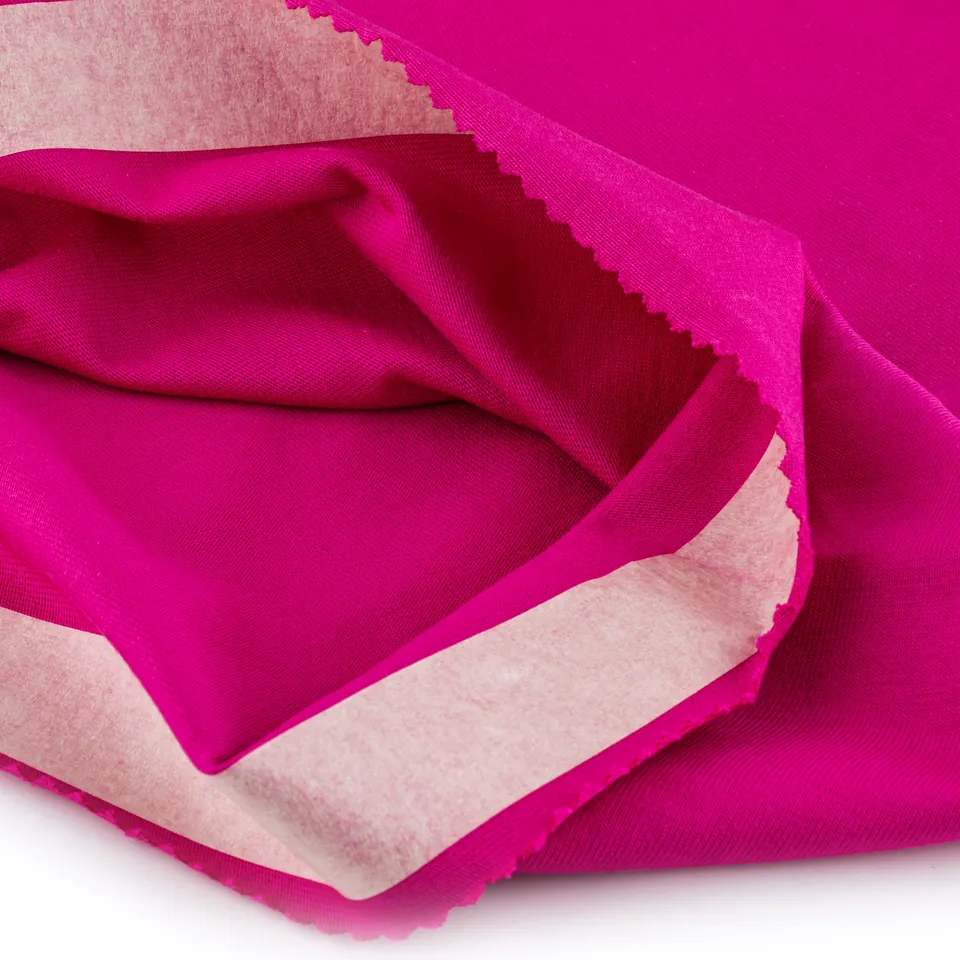
The modal candidate SJ-104 is 95% modal and 5% elastane, Bio-polish + soft hand, at 150–190 g/m². The cotton substrate SJ-101 lists 100% compact combed cotton and Enzyme + silicone with a 130–170 g/m² range. Record the offered weight and actual sample identity. CottonWorks links printing decisions with fibre, fabric preparation and surface characteristics. Its cotton examples cannot approve a modal-elastane application, and neither finishing name establishes an ink or transfer recipe. Ask the decoration provider which process it proposes for the actual material and how the trial will be assessed.
CottonWorks: Cotton Textile Printing Basics — Fibre, preparation and fabric characteristics inform print-process choice; cotton examples do not qualify a modal-elastane process.
Review the inside of the application as well as the picture
For a proposed print, embroidery or other decoration, inspect the reverse and any backing or supporting material. Compare the decorated and undecorated top under the intended adult review conditions, documenting the wearer’s feedback without calling it a skin-performance test. If a large application is considered intrusive, the next design option might be a smaller area, another position or no application. Those are choices requiring approval, not proof that one process is always better. Keep the exact artwork dimensions and construction with the sample so later changes remain visible.
Place artwork around the neck and sleeve contact decisions
Show distances from stable pattern landmarks and the final neck opening on a full-size placement drawing. A small chest motif can move relative to the neckline if the band or opening changes during development. On the sleeve, inspect the motif near the selected seam or hem in the actual worn position. Do not approve one attractive flat layout as universal across adult sizes. State whether the artwork stays fixed or changes size, and ask for the relevant extreme-size placements before accepting the complete range.
Plan repeat scale for the small visible nightwear set
An all-over design is divided by shoulder, sleeve, side and neck seams, while matching shorts or trousers introduce another scale and proportion. Assess the top and bottom together at their actual pattern sizes. Decide where motif interruption is acceptable and where alignment matters enough to constrain cutting. A stripe meeting at a side seam requires a different plan from a scattered print with no matching requirement. Ask the marker maker about any placement consequence before promising continuous artwork or carrying the solid-colour consumption into the printed programme.
Keep colour and care observations attributable
Retain the governing physical colour reference, sample code, undecorated material and decorated garment. Review neckband, thread and body relationships with the actual materials rather than transferring acceptance through a shared colour name. After the agreed care sequence, distinguish a shade concern from an application-surface, seam or dimensional change. Ask the responsible technical team to define required colourfastness or decoration assessments. A visually pleasing nightwear set does not prove wash durability, skin compatibility, improved rest or an approved care label, and those claims should not be inferred from the colour decision.
Release the exact artwork and seam configuration reviewed
Link the final artwork file, size, placement, substrate, offered weight and pattern version to the accepted adult sample. Include any inside-backing and neck-finish decisions relevant to that review. If a later revision changes motif area or sleeve seam position, check whether it reopens the observation that selected the original design. Confirm who decorates the material and what commercial charges and timing are accepted, without assuming every service is supplied by the fabric mill. The release should preserve a deliberate night-top design rather than turn an attractive picture into unsupported functional promises.
Technical background and scope
This is a structured editorial draft. Garment-specific development advice is paired with existing catalogue records; compatibility must be established by sampling. AL KUMAŞ supplies fabric. Cutting, sewing and finished-garment production are separate unless explicitly agreed.