
Technical

Shrinkage and spirality: the most common complaint in knits

A body that shortens after washing and a side seam that walks around the garment are two different phenomena — dimensional shrinkage and spirality. They have different causes and different remedies.
Shrinkage and spirality: the most common complaint in knits

Why shrinkage happens

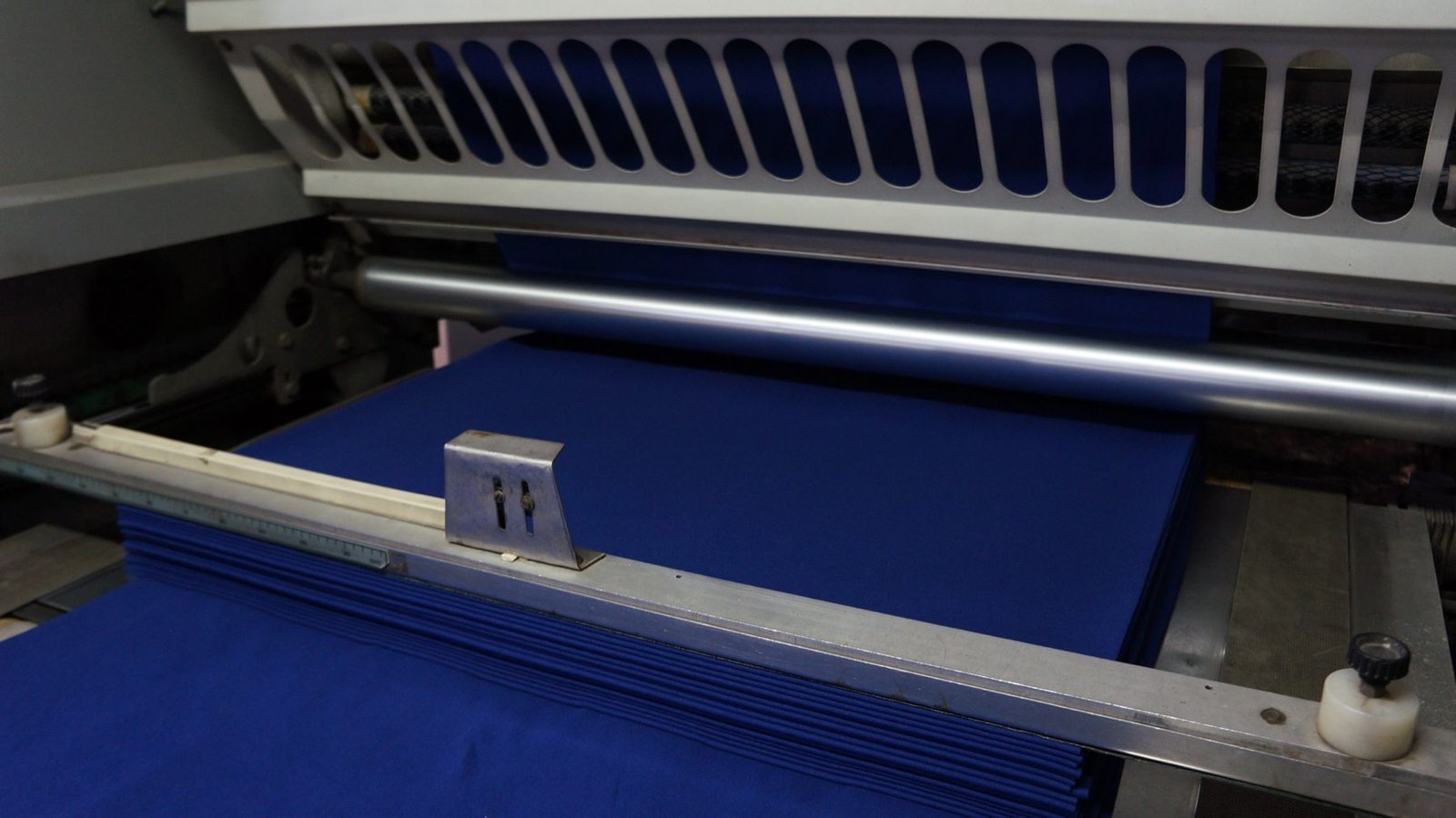
Knitted fabric is held under tension throughout production. Washing releases it and the cloth recovers. Compacting, controlled drying and adequate relaxation take that movement out during production instead of in the customer's machine.

Spirality is inherent to single-bed knitting

The loop structure in single jersey is asymmetric, which shows up as the side seam twisting after washing. Yarn twist direction, machine rotation and finishing settings together set the angle.

Results are meaningless without the method

Wash temperature, cycle count, drying method and marking distance all have to be defined. The same fabric can give different numbers in two laboratories — and the difference is the method, not the cloth.

From the catalogue

40 recorded Single jersey qualities in the catalogue, 130–210 g/m².

%100 compact combed cotton · %95 cotton %5 elastane · %95 modal %5 elastane · %95 viscose %5 elastane

Frequently asked questions

What shrinkage is acceptable?

It depends on end use and the care label; agree the target and tolerance before the order.

Can spirality be eliminated?

It can be limited. Planned together, construction, yarn and finishing bring it to an acceptable level.

Production notes

Production notes

All 50 topics

Related reading

All posts

All posts
Chat on WhatsApp