
Technical

Lab dip approval: how a colour decision is actually made

Colour approval is not a decision you can take from a screen. An approval given without a physical standard, an agreed light source and a stated tolerance turns into an argument at bulk.

Lab dip approval: how a colour decision is actually made

Whatever the reference is, write it down

A Pantone Textile code, the customer's own swatch, or last season's approved cloth. Whichever governs goes in the order file — including whether it is TCX or TPG, because a paper and a textile standard do not give the same result.

Light source and metamerism

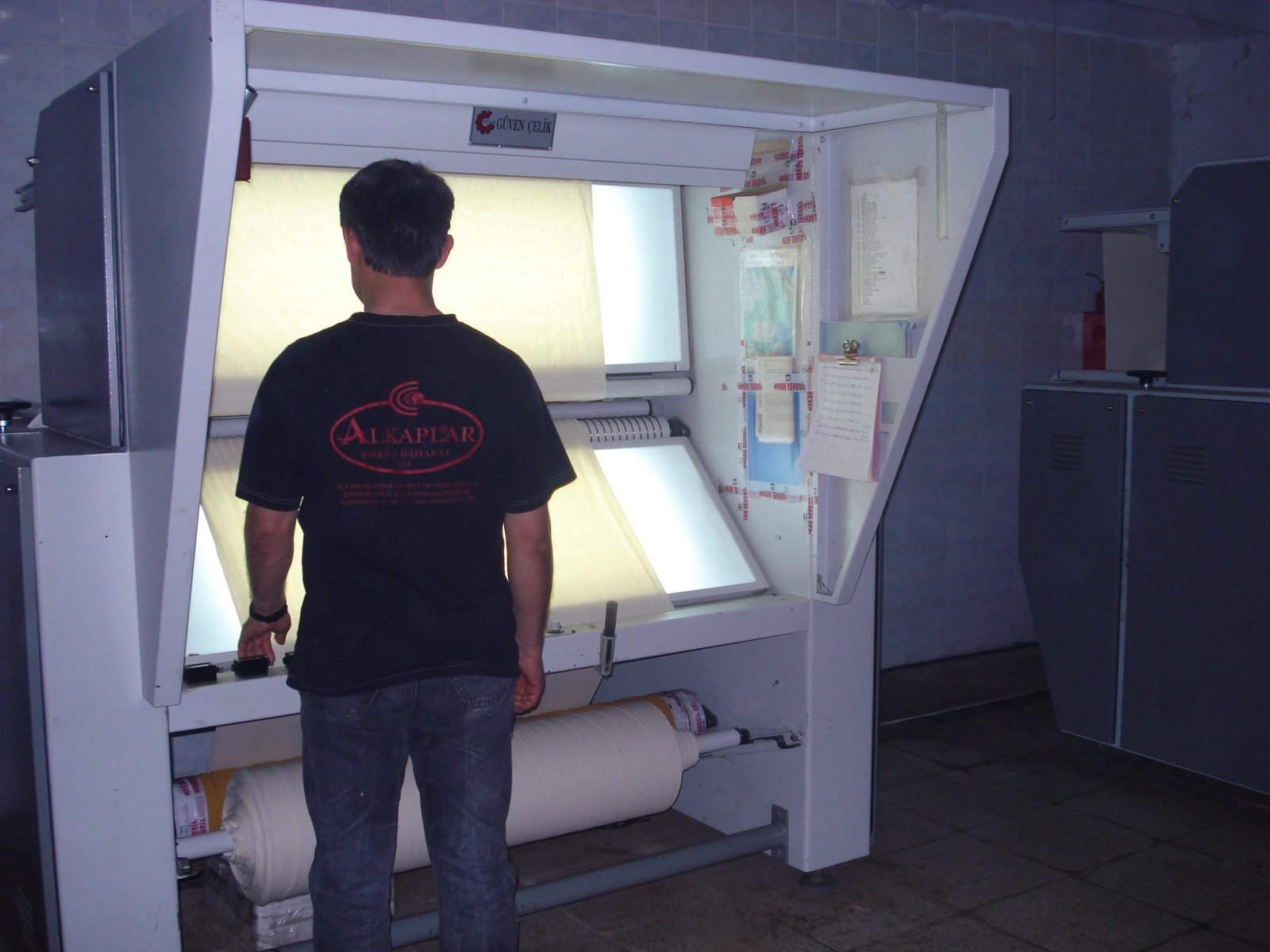
Two samples can match under one light and separate under another. Fix the evaluation light source (D65, for example) at the start, and check critical shades under a second source as well.

The approved lab dip governs the bulk

Once approved, the recipe, the batch record and the physical reference are archived. Shade continuity on a repeat order is managed from that archive.

From the catalogue

40 recorded Single jersey qualities in the catalogue, 130–210 g/m².

%100 compact combed cotton · %95 cotton %5 elastane · %95 modal %5 elastane · %95 viscose %5 elastane

Frequently asked questions

Is the on-screen colour a production standard?

No. Screen values are approximations; the production shade is set by the physical standard and the approved lab dip.

How many lab dips are worked?

It varies with shade depth and fibre; usually a few alternatives are offered and the choice proceeds from there.

Production notes

Production notes

All 50 topics

Related reading

All posts

All posts
Chat on WhatsApp