End use

Sweatshirt and hoodie fabric: two-thread or three-thread?

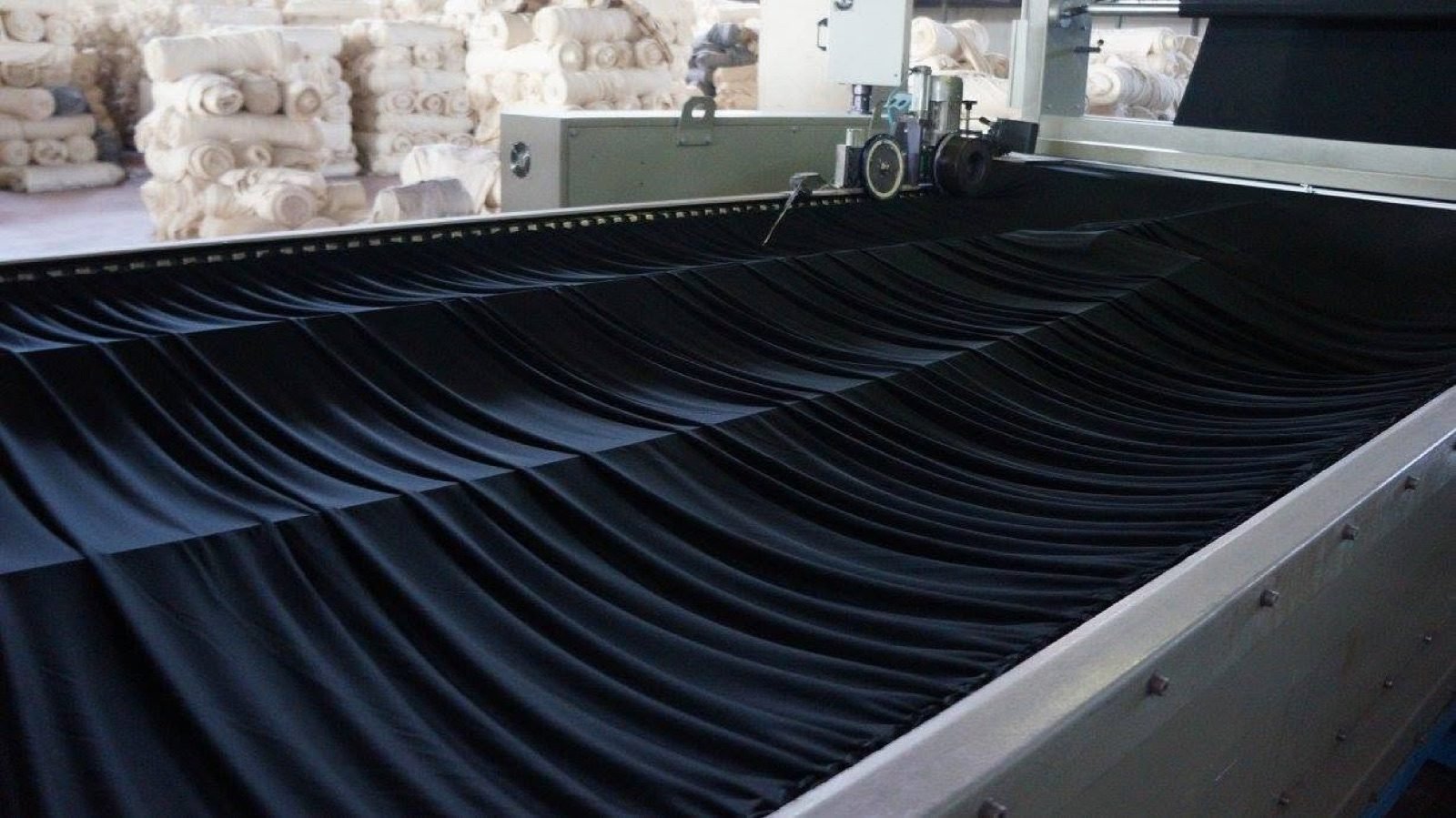
The difference between two-thread and three-thread is not simply thickness. The binder yarn on the inside changes the body of the cloth, its thermal comfort and how it holds shape after washing.
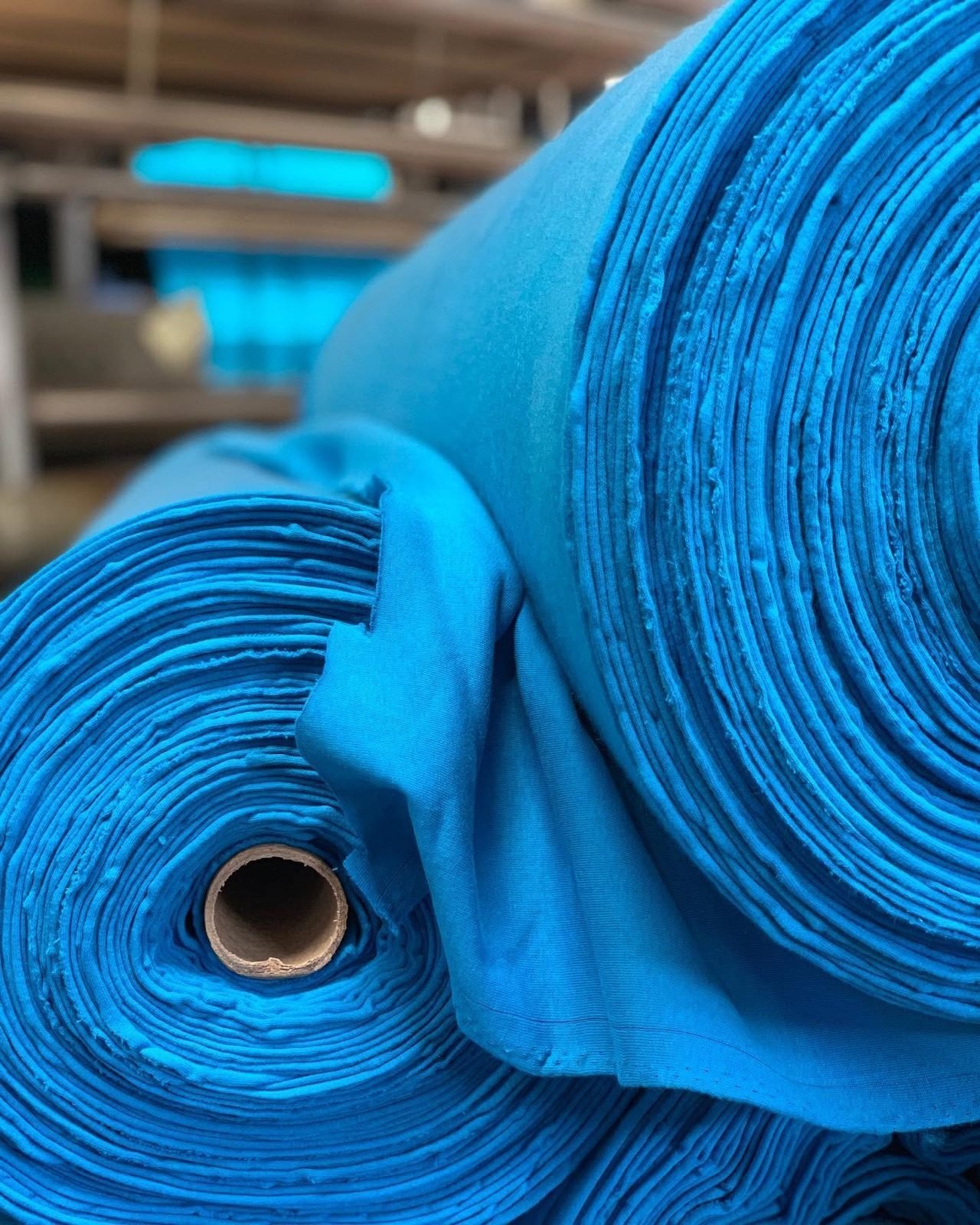
Sweatshirt and hoodie fabric: two-thread or three-thread?

Two-thread: transitional seasons and lighter body

A two-thread construction carries one extra binder yarn on the reverse and usually runs 240–320 g/m². It suits spring/autumn collections, lighter hoodies and layering pieces.

Three-thread: winter weight and durability

Three-thread gives a fuller structure and reaches 320–420 g/m². It is the better choice for winter hoodies, outer layers and promotional product that takes heavy use.

Brushing decides the inner face

Raising lifts the loops on the reverse for softness and heat retention; the unbrushed option keeps a flatter, less linting back. Brushing intensity and pilling behaviour are directly related and should be judged on a sample.

From the catalogue

30 recorded French terry & fleece qualities in the catalogue, 240–420 g/m².

%65 cotton %35 polyester · %70 cotton %30 polyester

Frequently asked questions

What is a standard hoodie weight?

Three-thread hoodies typically sit at 320–380 g/m²; heavy winter pieces go up to 420 g/m².

Does brushed fabric pill more?

Raising lifts the inner surface, so the risk rises. Yarn quality and anti-pilling finishing limit it.

Production notes

Production notes

All 50 topics

Related reading

All posts

All posts
Chat on WhatsApp