




Give the mill a hoodie programme it can quote accurately
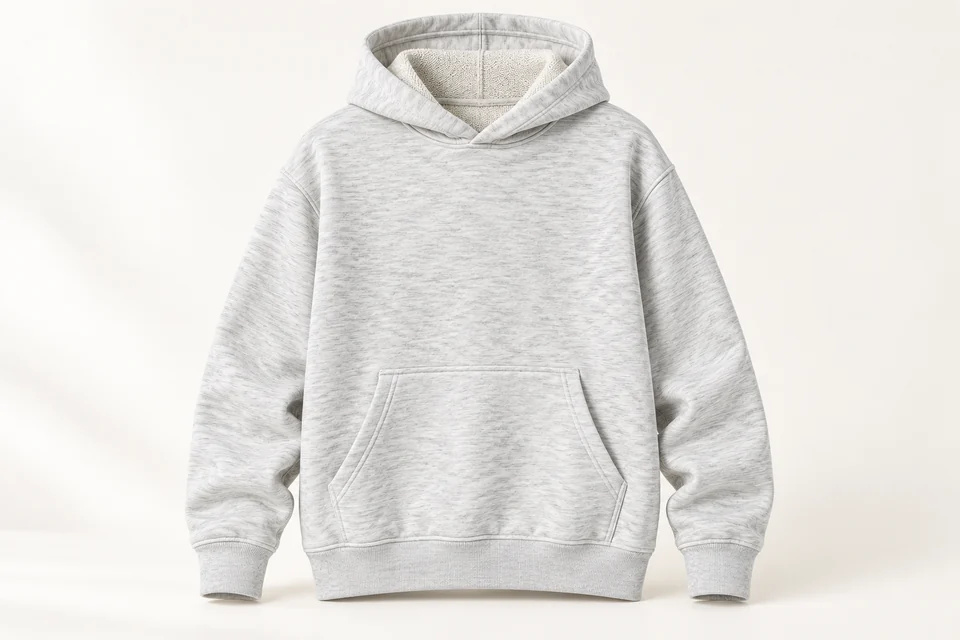
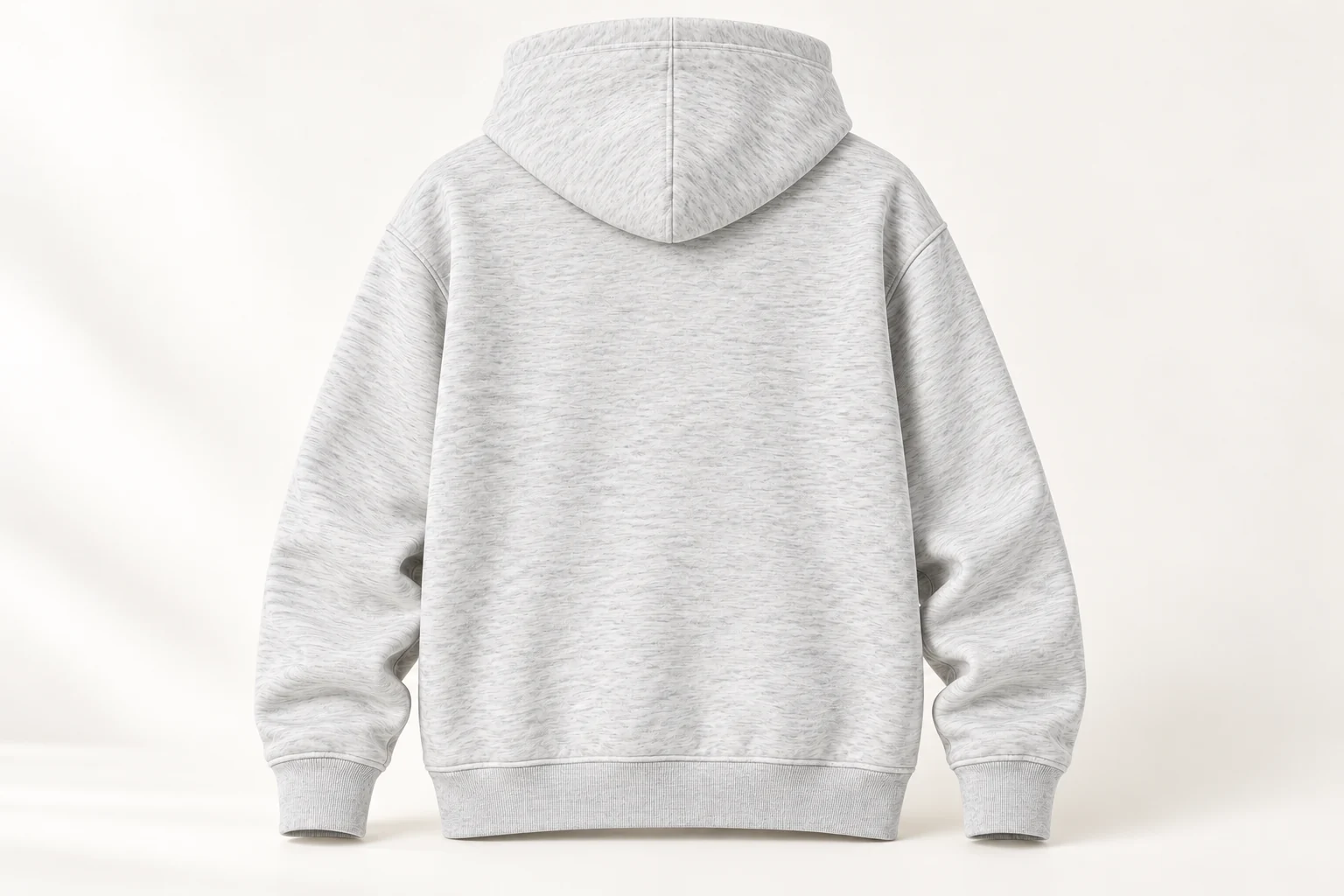
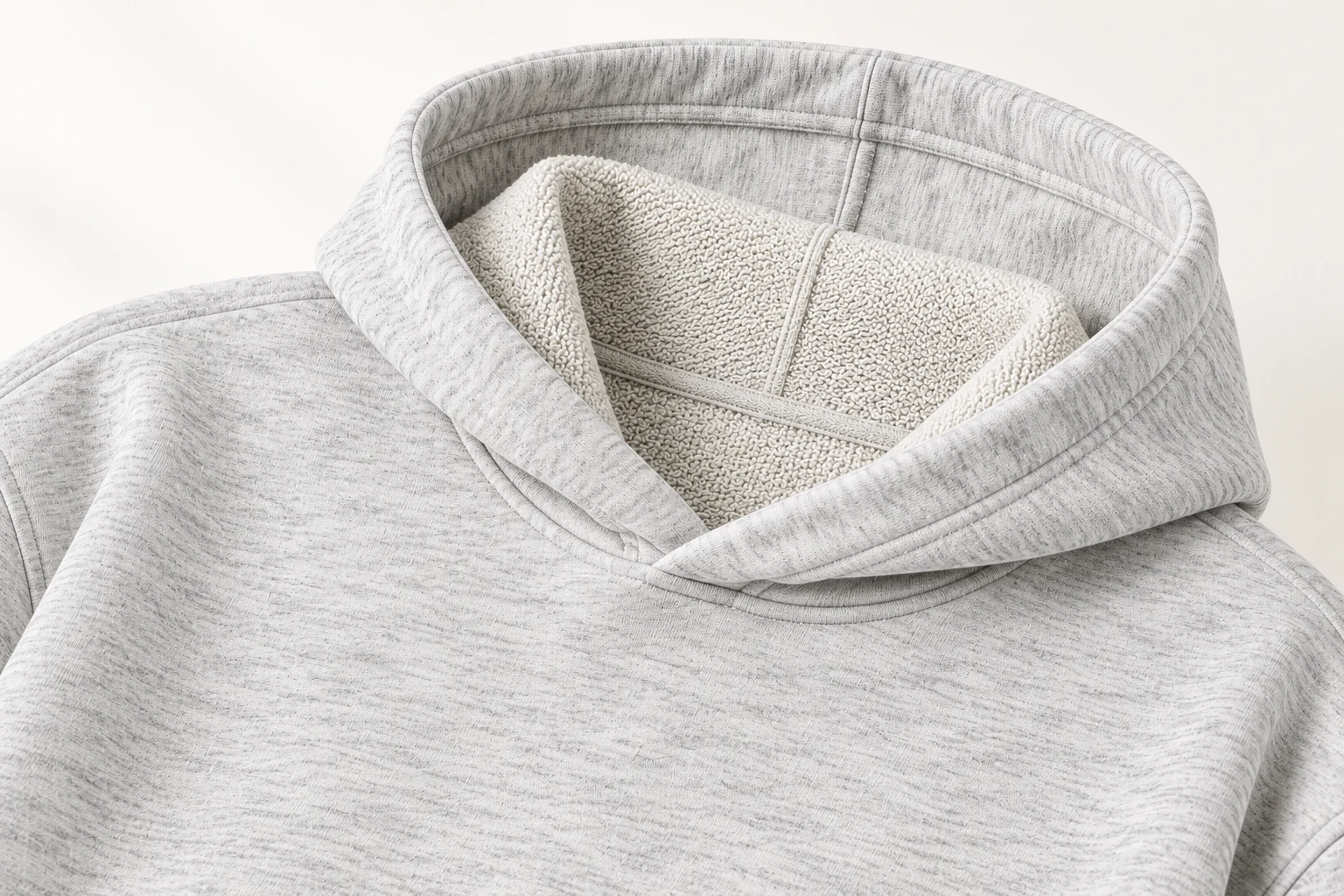
An enquiry saying only heavyweight hoodie fabric leaves the supplier to guess the intended shape, quantity and finish. Start with a drawing and a short description of the hoodie: pullover opening, sleeve silhouette, hood layers and pocket arrangement. State whether the request is for body fabric alone or for help discussing compatible separate components. AL KUMAŞ is presented here as a fabric supplier; cutting, sewing, decoration and finished-garment supply are separate questions unless the parties explicitly agree otherwise. Keep that boundary visible in the brief.
Name the two candidates and the comparison you need
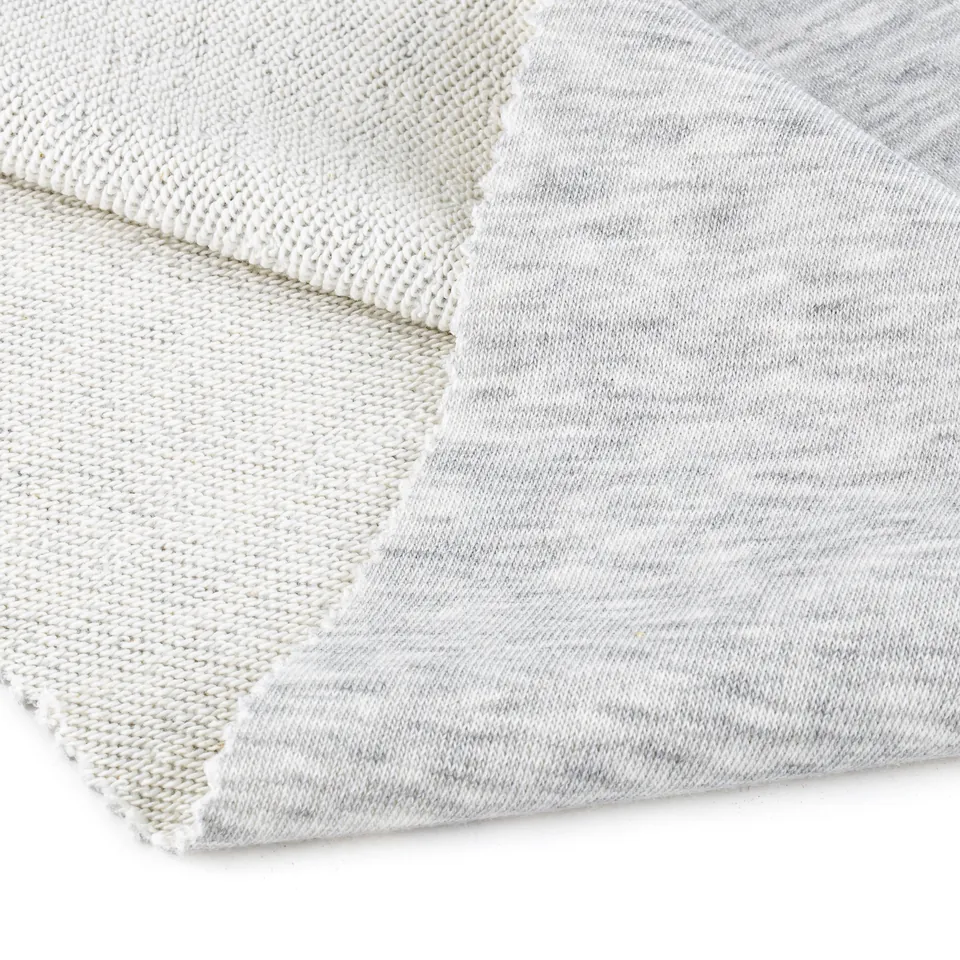
Request FT-602 and FT-601 by code. The catalogue records both as 70% cotton and 30% polyester; FT-602 offers 300, 325, 350, 375 and 400 g/m², while FT-601 offers 240, 260, 280, 300 and 320 g/m². Select the particular entries you want the supplier to discuss rather than asking for every option without a purpose. Explain the unresolved comparison, such as hood body versus seam bulk. Ask for the current offered finish and sample availability; the website list is not a stock reservation.
Separate body demand from hood lining and rib
Attach a material allocation sheet showing which components use the body article and which require another material. If a self-lined hood is under consideration, say that its consumption is included in the body estimate. If the lining is undecided, label its quantity as pending rather than hiding it in a rounded total. Describe cuff and waistband requirements separately, including the intended colour relationship. Ask the garment maker to supply the consumption basis; a fabric mill quotation should not be mistaken for confirmation that the hoodie pattern has been costed.
Break quantities down by usable commercial units
Show estimated quantity per article and colour with a clear unit, and identify whether it is a sample request, development estimate or proposed bulk order. For a hypothetical three-colour launch, three equal garment quantities need not mean three equal fabric orders if size mixes or hood constructions differ. State those assumptions rather than treating the example as a universal rule. Request the supplier's actual minimums, price basis and any development charges for the stated programme. No minimum order, lead time or worldwide delivery commitment is implied by this guide.
Ask for the missing technical fields in one response
Include a response table for finished GSM, usable width, supply format, finish and available article-specific testing or technical documentation. Mark the required care direction and any proposed print or embroidery so the technical team knows what will happen after cutting. Ask which questions the supplier can answer and which belong with the garment maker, decorator or testing provider. CottonWorks treats product definition as the starting point for knit development; this division of responsibilities turns that general principle into a practical hoodie enquiry rather than assuming one supplier controls every operation.
CottonWorks: Designing Knit Textiles — Product definition, target end use and desired attributes are starting points in knit development. The detailed hoodie enquiry workflow is original editorial advice.
Make sample approval and production timing separate milestones
List the steps that must happen before a bulk decision: fabric cutting comparison, confirmed colour reference, sewn hoodie trial and review of the chosen decoration where relevant. Ask for realistic timing for the steps the supplier actually performs. Provide your desired arrival date and destination so the commercial team can respond, but do not equate a requested date with a confirmed delivery promise. Identify who approves each stage and how comments will be returned. A named approver and sample reference reduce the chance of conflicting instructions from design and purchasing.
Compare offers with the assumptions still attached
When quotations arrive, compare the same article, offered weight, width, quantity basis and delivery terms. Highlight substitutions instead of ranking dissimilar offers solely by kilogram price. Request written confirmation of payment terms, packing, validity and the agreed responsibilities for transport. Have destination-specific import and product documentation questions checked by appropriate specialists. Before placing an order, reconcile the fabric specification with the garment maker's approved sample and consumption sheet. Retain that combined record for repeat orders; a repeat colour name alone does not identify the complete hoodie material programme.
Technical background and scope
This is a structured editorial draft. Garment-specific development advice is paired with existing catalogue records; compatibility must be established by sampling. AL KUMAŞ supplies fabric. Cutting, sewing and finished-garment production are separate unless explicitly agreed.