




Cost a complete hoodie, not a square metre in isolation
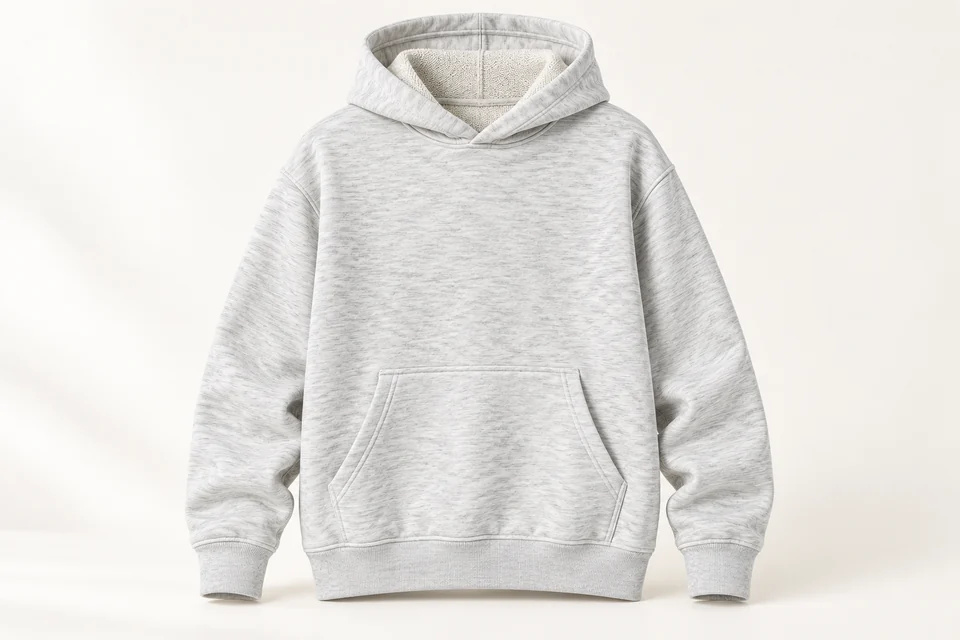
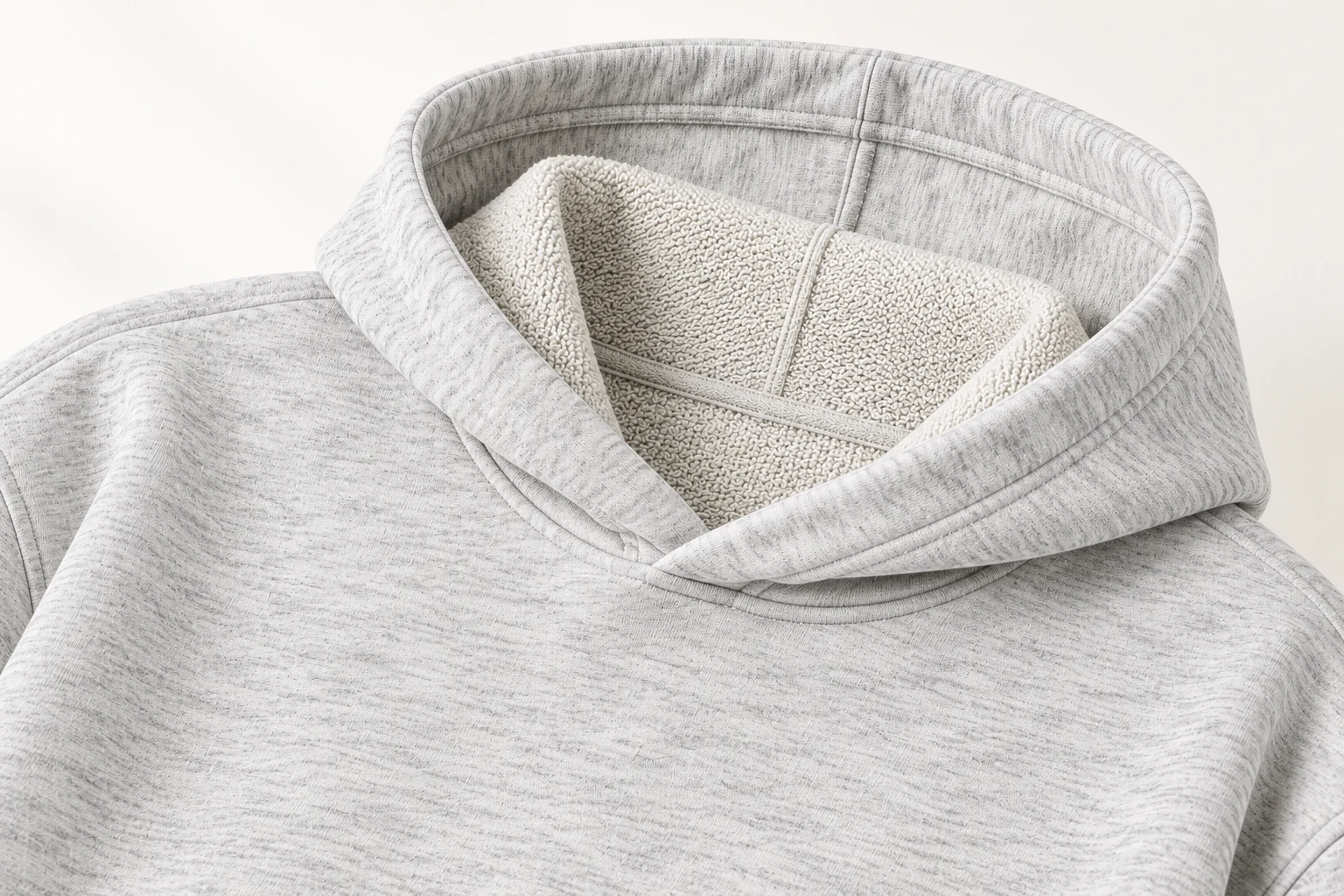
The meaningful purchasing question is how much approved material the finished hoodie consumes. GSM describes mass per area, while the marker converts the garment's actual components and size mix into a cutting requirement. A heavy hood, large kangaroo pocket and dropped shoulder can change that requirement in different ways. Start the costing sheet with the pattern version and component list. Otherwise a fabric comparison may quietly compare a single-layer hood against a lined hood and attribute the entire difference to the fabric price.
State exactly which catalogue weight is being quoted
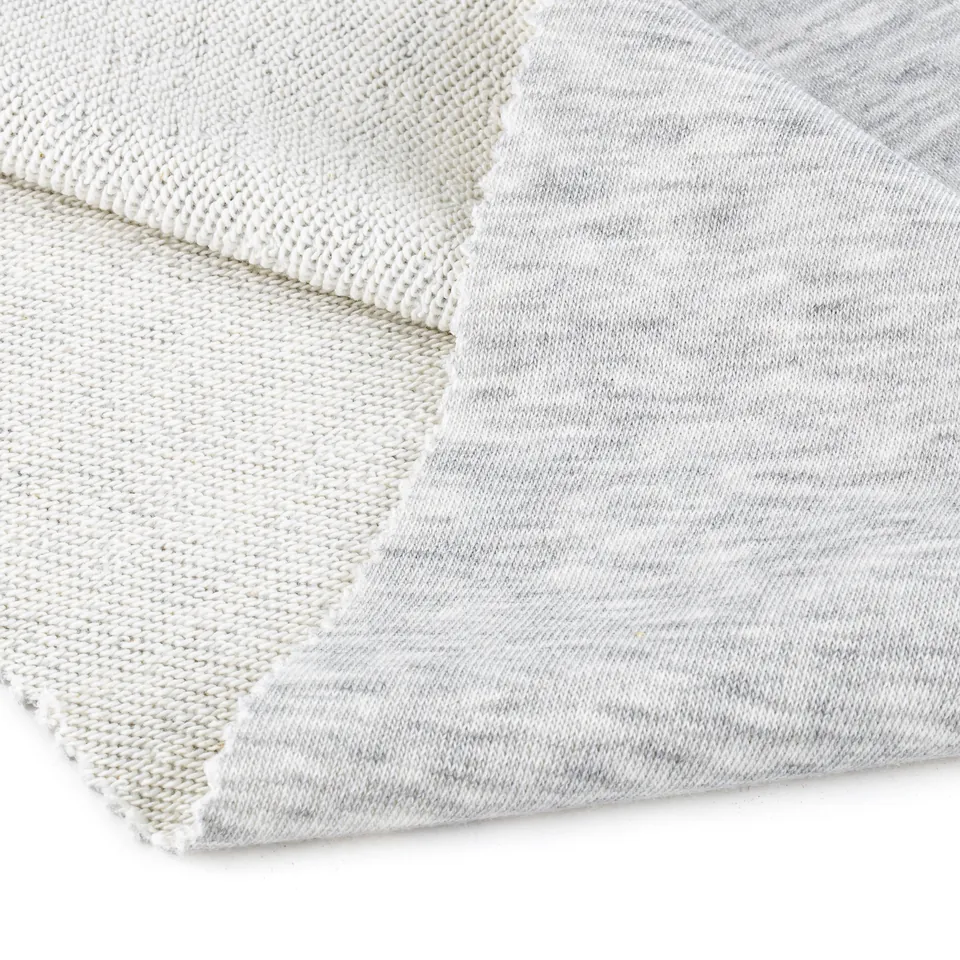
FT-602 has recorded options of 300, 325, 350, 375 and 400 g/m²; FT-601 offers 240, 260, 280, 300 and 320 g/m². Both are listed as 70% cotton and 30% polyester. The overlapping range means that a code does not replace a finished-weight specification. Ask which weight and finish the supplier is proposing, along with its agreed tolerance and measurement basis. Do not describe every FT-602 offer as heavier than every FT-601 offer: a 300 g/m² entry exists in both records.
Get usable width and format into the same quotation
The local catalogue does not provide a verified usable width for these hoodie articles. Ask whether the material is supplied open-width or tubular, how width is expressed, and how much is available for the marker after excluded edges. The cutting team needs the width that can actually be used, rather than an unexplained machine or nominal measurement. Require a new marker assessment if the offered width changes. A wider roll is not automatically more economical when component shapes, fabric direction and the size ratio differ.
Convert mass to theoretical length transparently
For an illustrative open-width calculation only, 320 g/m² at 1.80 metres usable width gives 576 grams per linear metre: 320 multiplied by 1.80. One kilogram therefore represents about 1.74 theoretical linear metres before allowances. Neither the 1.80-metre width nor this yield is an AL KUMAŞ quotation. This conversion says nothing about how efficiently the hoodie fits into that length. Keep the equation visible in the spreadsheet so a later change of weight or confirmed width updates the estimate rather than leaving an unexplained metres-per-kilogram constant.
Include every hood and pocket piece in the marker
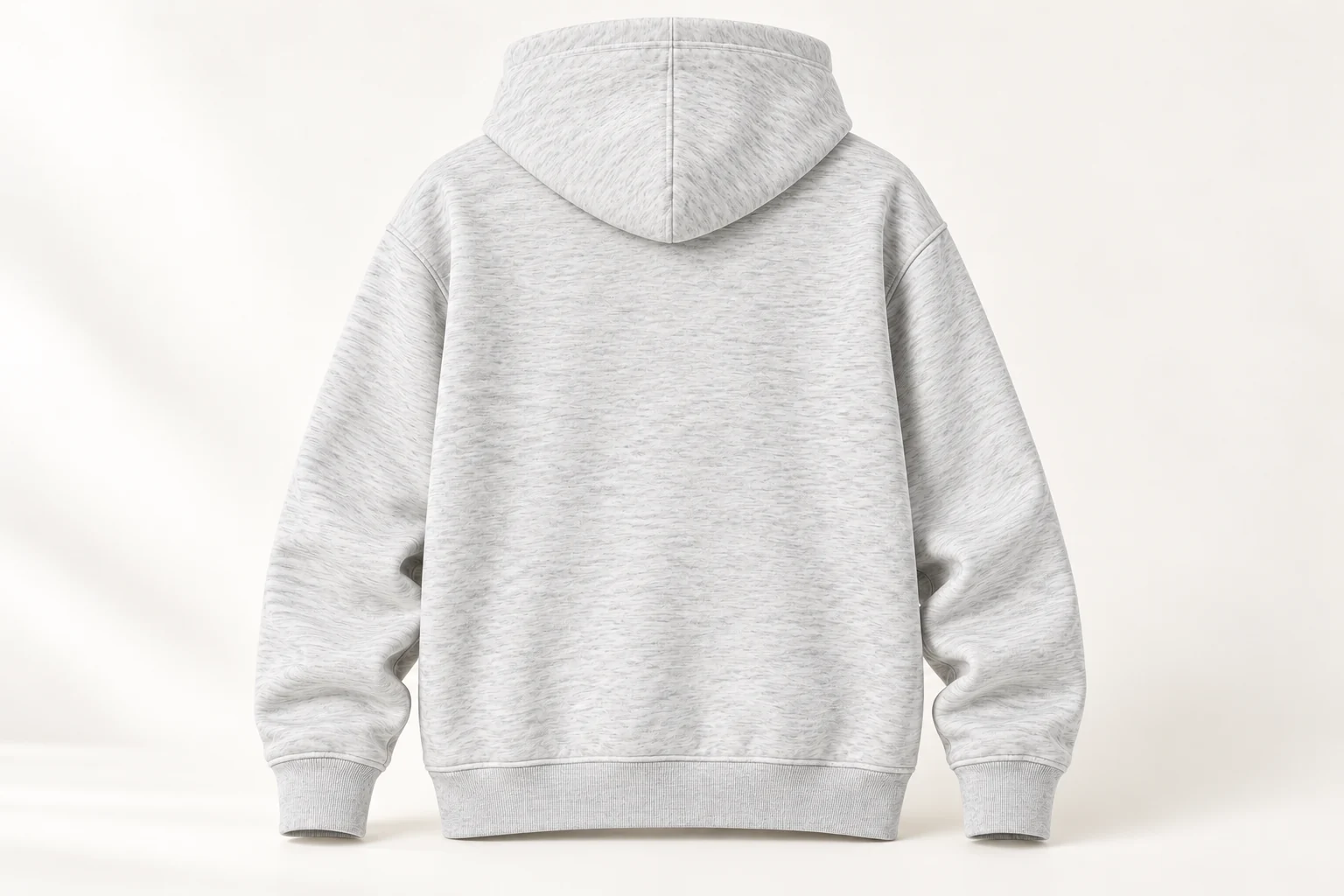
Ask the pattern maker for an explicit component count: body fronts and backs, sleeves, outer hood, any hood lining and pocket. List cuffs, waistband and neck support separately if they use another material. When a hood lining uses the body article, include those pieces in the body marker; when it uses a different material, create a separate consumption line. Do not double the entire garment consumption merely because the hood is doubled. The extra layer affects its own components, not every panel in the hoodie.
Keep dimensional assumptions separate from cutting waste
Fabric relaxation and later care can affect dimensions; CottonWorks describes construction, processing and garment care as contributors. That background does not supply a shrinkage percentage for either FT article. Obtain the representative results and let the pattern and cutting team document their allowances. Distinguish a dimensional adjustment in the pattern from marker waste and purchasing contingency. Adding the same allowance in several places can inflate the order, while omitting it altogether can leave the approved size impossible to achieve. Record each assumption with its owner and evidence.
CottonWorks: Shrinkage & Skewing — Construction, processing and garment care contribute to dimensional change; no article-specific shrinkage percentage is provided by this general source.
Compare material cost per approved garment
Once the marker is accepted, request a cost comparison using consistent currency, quantity units and commercial terms. Show body fabric, separate lining, rib components and any agreed allowances on different lines. A lower kilogram price may still produce a higher material cost per hoodie if the required mass is greater; calculate that outcome rather than assuming it. Before ordering, reconcile the size breakdown with the garment maker and have the supplier confirm the final article, finished weight, usable width and supply format in writing. The calculation remains provisional until those inputs are agreed.
Technical background and scope
This is a structured editorial draft. Garment-specific development advice is paired with existing catalogue records; compatibility must be established by sampling. AL KUMAŞ supplies fabric. Cutting, sewing and finished-garment production are separate unless explicitly agreed.