





Set the tunic's layered baseline before inspecting the slit
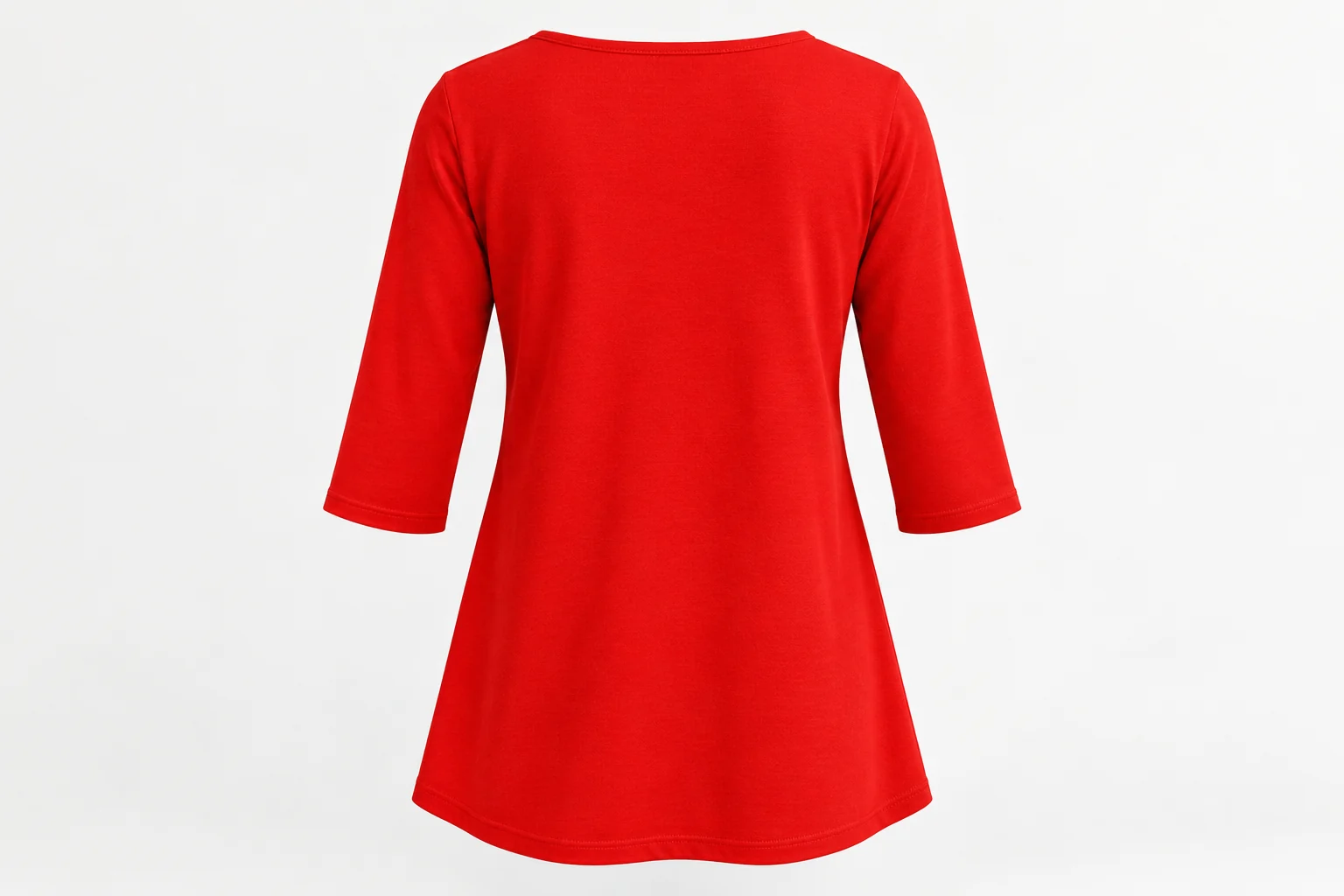
Identify the actual material, hip-level pattern, full length, side-opening construction and intended lower layer before assessing the sample. Record the neutral standing silhouette from front, side and back without manually arranging every fold. The tunic must be considered as a top worn over another garment, not only as a pair of finished slit edges. A component trial can answer an early sewing question while leaving vertical hang and layered ease unresolved. Keep that limit visible so a neat local example is not presented as approval of a complete garment it never represented.
Assess hip ease and opening position during sitting
Have the wearer sit in a relevant position and return to standing, observing the area over the hip and the material revealed through the side. Note whether the body catches, pulls or settles outside the intended design relationship. Ask the technical team to distinguish ease, length and opening position before choosing a correction. These are internal fitting observations, not a certified friction or recovery test. A raised slit may change visible underlayer coverage rather than solve a narrow hip pattern, so assess the actual consequence instead of treating both alterations as equivalent improvements.
Inspect the slit top with its surrounding panel
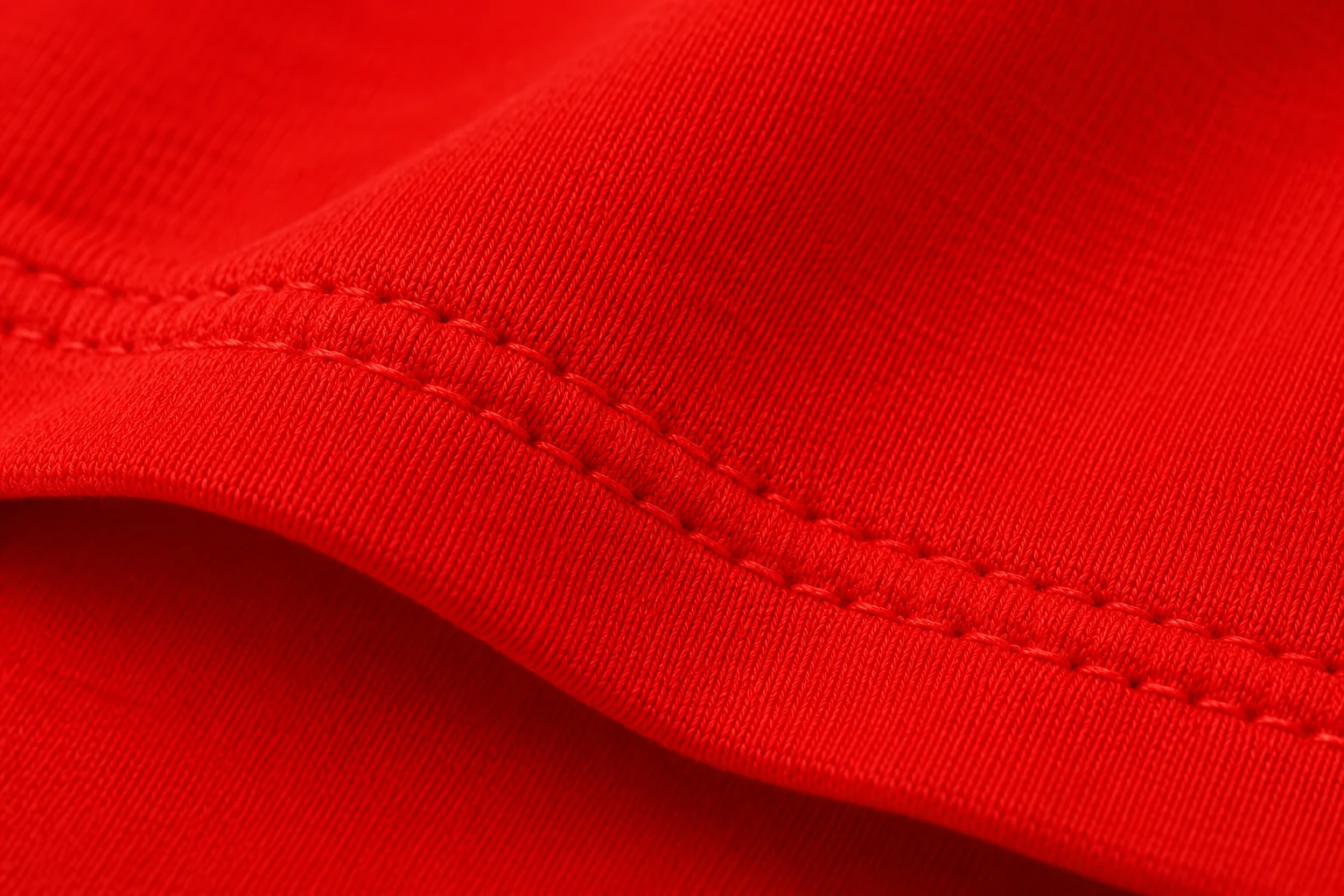
Review the transition from joined seam to open edge, including the face, underside and nearby body. Coats explains that puckering can involve several material and assembly factors, so request investigation rather than inferring a weak fabric or prescribing a stronger stitch from appearance alone. Ask the maker to identify the proposed support and operation actually used. If there is an observed stress or damage concern, have the responsible specialist define the appropriate assessment for the intended product. A visual examination cannot establish a universal force limit or a guarantee against future opening damage.
Coats: Eliminating Seam Puckering — Material and sewing factors can contribute in multiple ways to puckering. Actual opening diagnosis and any quantified strength assessment remain for the technical team; the article supplies no universal damage or force threshold.
Read vertical hang after ordinary movement rather than smoothing it into place
Observe a relevant reach and the return to a neutral position over the same lower-layer reference. Look at the complete front and back panels and their side relationship, not only the hem tip. CottonWorks includes actual garment fitting within material development, supporting that full-combination review. If one area remains displaced, record the location and ask the team which actual variable it proposes to trial. Do not diagnose drape from viscose content alone or treat a cotton finish name as proof that the lower silhouette will return unchanged.
CottonWorks: Designing Knit Textiles — Final material assessment includes garment fitting. The full-panel and layered movement views are original internal development observations, not laboratory drape, friction or recovery tests.
Revisit the slit and layered silhouette after agreed care
Record the procedure and compare body measurements, opening shape, edge fall and worn hip-level appearance in consistent conditions. The CottonWorks shrinkage discussion points to construction, processing and subsequent care as influences on dimensional behaviour. Keep internal observations distinct from any independent laboratory evidence and ask the relevant provider to define formal assessment where needed. A small overall length change does not automatically explain the side opening's condition or the tunic's interaction with the lower garment. Review those features explicitly before accepting the cared-for result, identifying the actual offered material and construction that produced it.
CottonWorks: Shrinkage & Skewing — Construction, processing and garment care influence dimensions. The source supplies no tunic-specific fit, slit or layered-appearance result, and internal care observations are kept separate from laboratory evidence.
Catalogue starting points
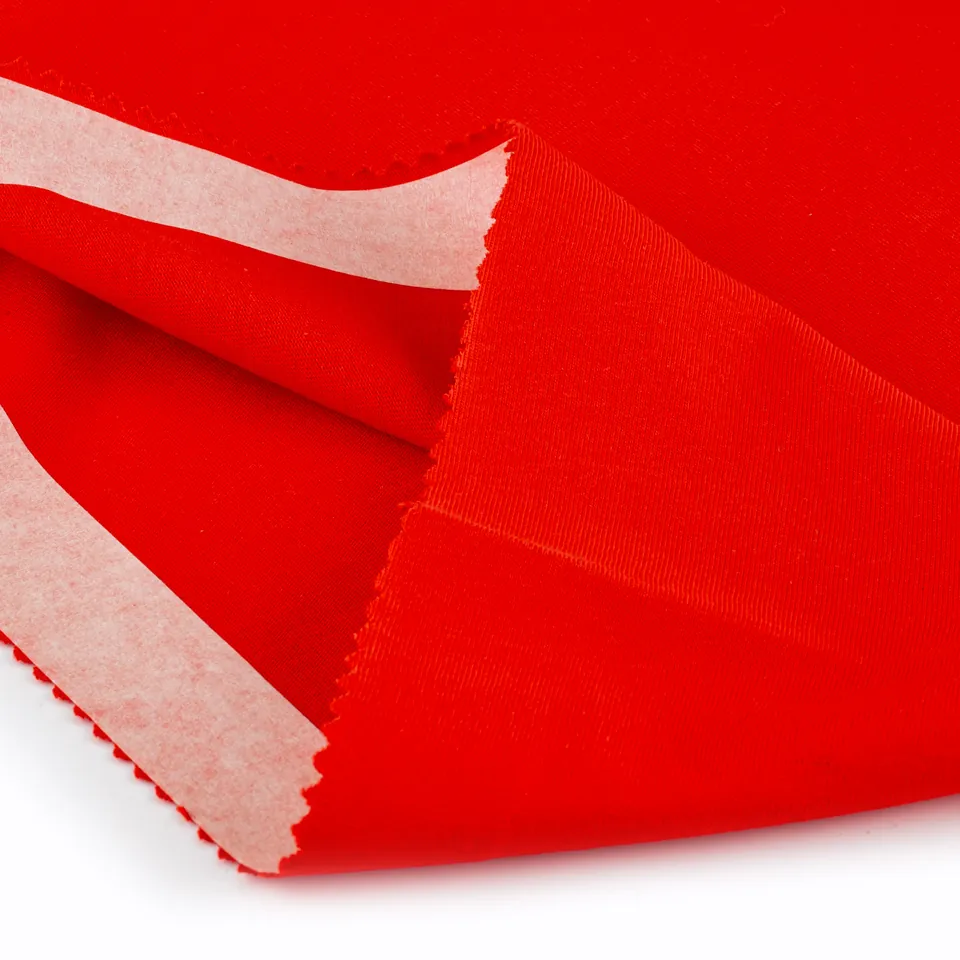
SJ-103 gives 95% viscose 5% elastane, 160, 170, 180, 190, 200 g/m² and Bio-polish + silicone in single jersey. SJ-101 gives 100% compact combed cotton, 130, 140, 150, 160, 170 g/m² and Enzyme + silicone in single jersey. Neither local entry contains a completed tunic fit, vertical-hang or slit-stress report. Identify the actual offered versions in the sample record and disclose substitutions. Observations on another cutting or different lower-layer context cannot silently approve the combination proposed for this programme.
Release the observed tunic configuration with its evidence limits
Record decisions on hip ease, side exposure, complete panel hang, slit construction, movement and care observations. Keep the intended lower layer and representative sizes identified beside the physical reference. A later change of slit height, body width or material can require selected checks again even if the style retains the tunic name. The record should explain what the actual sample showed and what still needs technical evidence, rather than converting one attractive long-top photograph or a previously accepted sweatshirt opening into an unsupported guarantee for this layered jersey garment.
Technical background and scope
This is a structured editorial draft. Garment-specific development advice is paired with existing catalogue records; compatibility must be established by sampling. AL KUMAŞ supplies fabric. Cutting, sewing and finished-garment production are separate unless explicitly agreed.